> Skip to content
[]
  • Published: 17 July 2006
  • ISBN: 9780141915142
  • Imprint: Penguin eBooks
  • Format: EBook
  • Pages: 288

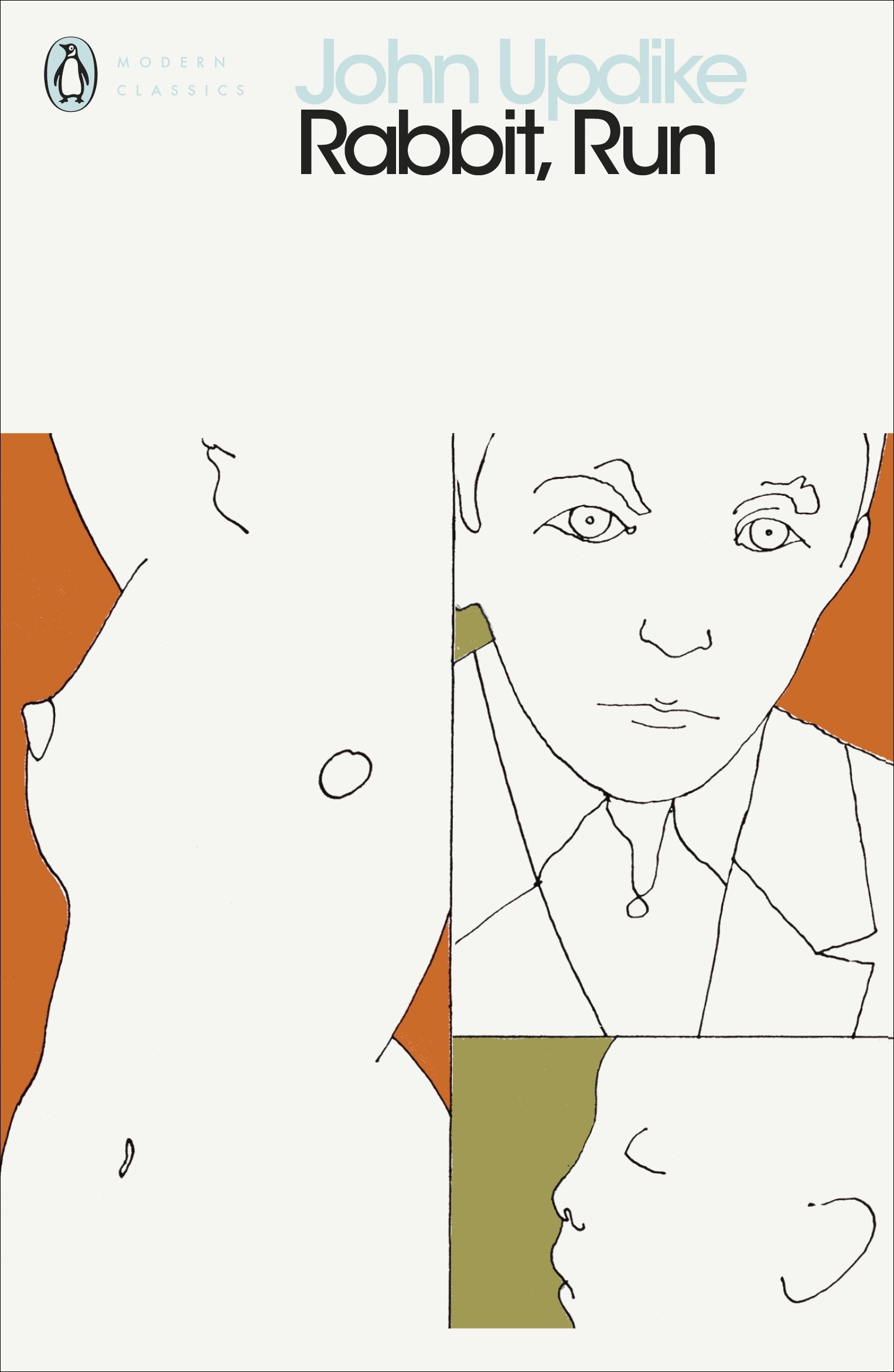
Rabbit, Run


First time in Modern Classics

It's 1959 and Harry 'Rabbit' Angstrom, one time high school sports superstar, is going nowhere. At twenty-six he is trapped in a second-rate existence - stuck with a fragile, alcoholic wife, a house full of overflowing ashtrays and discarded glasses, a young son and a futile job. With no way to fix things, he resolves to flee from his family and his home in Pennsylvania, beginning a thousand-mile journey that he hopes will free him from his mediocre life. Because, as he knows only too well, 'after you've been first-rate at something, no matter what, it kind of takes the kick out of being second-rate'.

Includes an afterword by the author.
  • Published: 17 July 2006
  • ISBN: 9780141915142
  • Imprint: Penguin eBooks
  • Format: EBook
  • Pages: 288

About the author

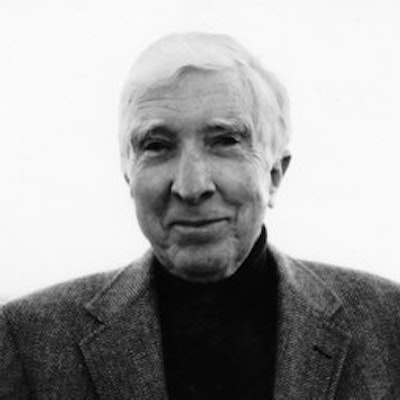
John Updike

John Updike was born in 1932 in Shillington, Pennsylvania, and died in January 2009. He attended Shillington High School, Harvard College and the Ruskin School of Drawing and Fine Art at Oxford, where he spent a year on a Knox Fellowship. From 1955 to 1957 he was a member of the staff of the New Yorker, to which he has contributed numerous poems, short stories, essays and book reviews. Since 1957 he has lived in Massachusetts as a freelance writer.

John Updike's first novel, The Poorhouse Fair, was published in 1959. It was followed by Rabbit, Run, the first volume of what have become known as the Rabbit books, which John Banville described as 'one of the finest literary achievements to have come out of the US since the war'. Rabbit is Rich (1981) and Rabbit at Rest (1990) were awarded the Pulitzer Prize for Fiction.

Other novels by John Updike include Marry Me; The Witches of Eastwick, which was made into a major feature film; Memories of the Ford Administration; Brazil; In the Beauty of the Lilies; Toward the End of Time; Terrorist; Villages; and The Widows of Eastwick, a sequel to The Witches of Eastwick. He wrote a number of volumes of short stories, and a selection entitled Forty Stories – which includes stories taken from The Same Door; Pigeon Feathers; The Music School; and Museums and Women – is published in Penguin, as is the highly acclaimed The Afterlife and Other Stories. His criticism and his essays, which first appeared in magazines such as The New Yorker and The New York Review of Books, have been collected in five volumes. Golf Dreams, a collection of his writings on golf, has also been published. His Collected Poems 1953-1993 brings together almost all of the poems from five previous volumes, including 'Hoping for a Hoopoe', 'Telephone Poles' and 'Tossing and Turning', as well as seventy poems previously unpublished in book form. John Updike's last books were Endpoint, a final collection of poems, and My Father's Tears and Other Stories, a collection of short stories. Both were published by Penguin in 2009.

Also by John Updike

See all