Celebrating Neurodiversity
Neurodiversity recognises that people naturally think, learn and experience the world in different ways. Some people are neurotypical, meaning their brains work in ways society expects, while others are neurodivergent, meaning their brains work differently from what society expects. Neurodivergence includes autism, ADHD, dyslexia, dyspraxia and many, many more - each bringing both strengths and challenges.
By learning more, we can move beyond outdated ideas and appreciate the incredible creativity, problem-solving skills and unique perspectives that neurodivergent people bring, while also recognising what support and accessibility is necessary to help everyone to thrive.
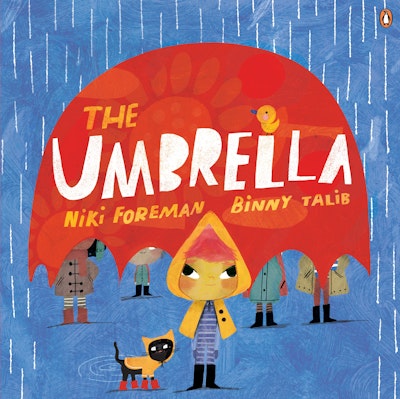
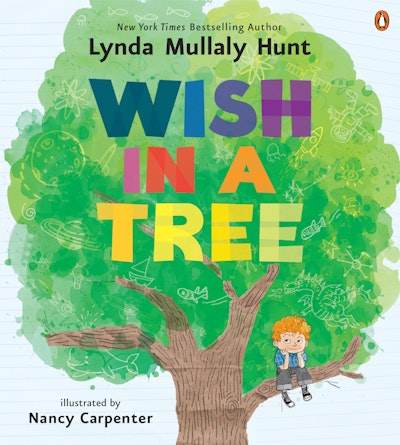
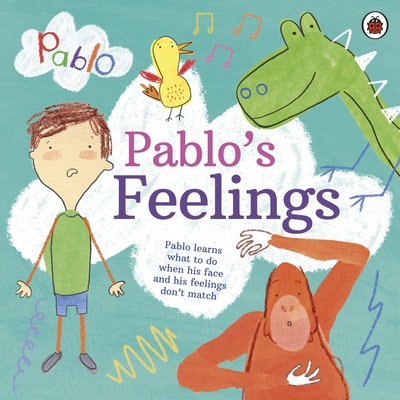
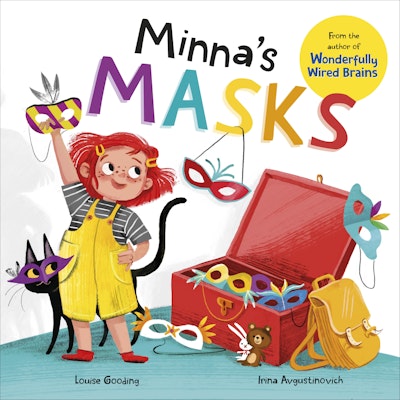
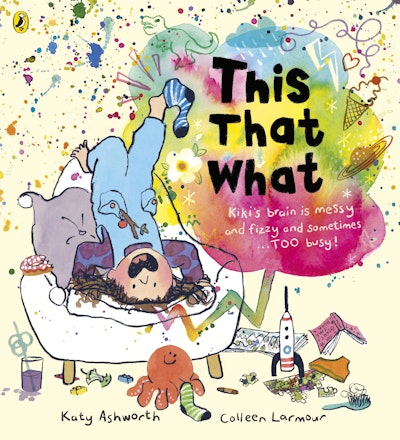
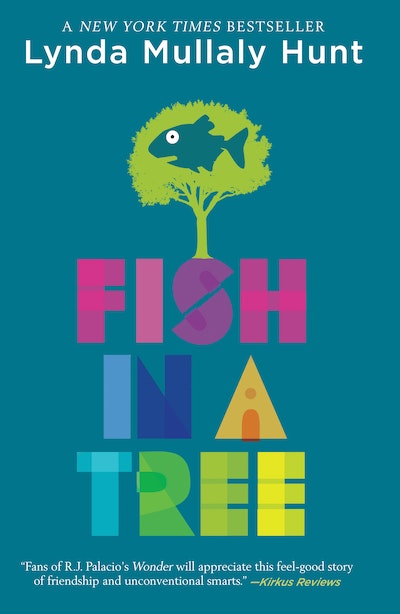
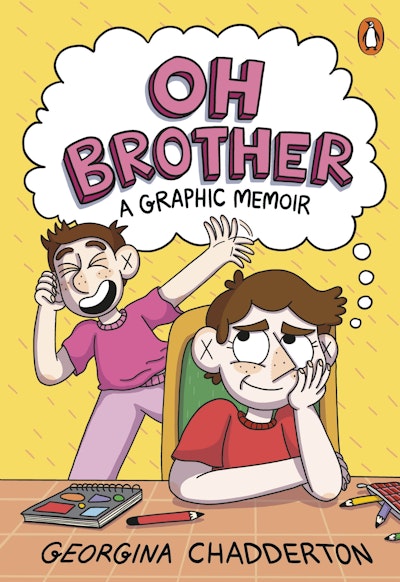
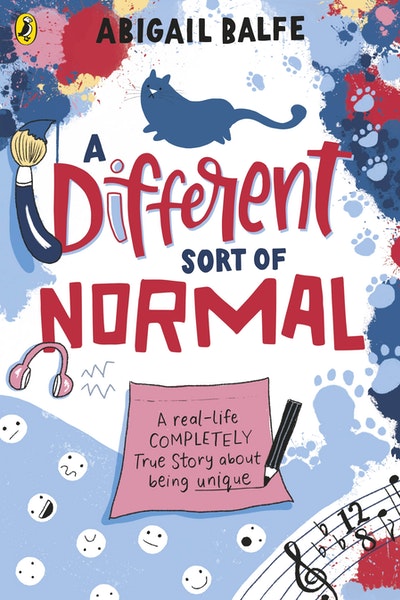
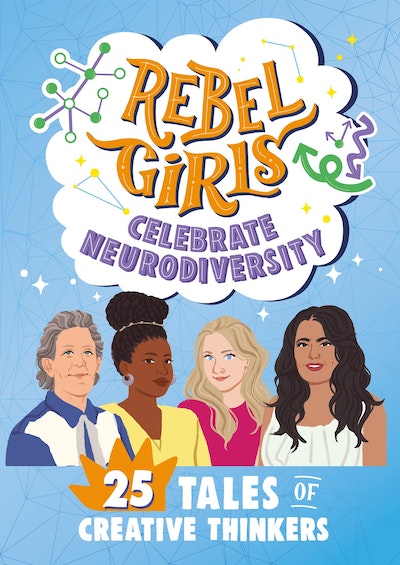
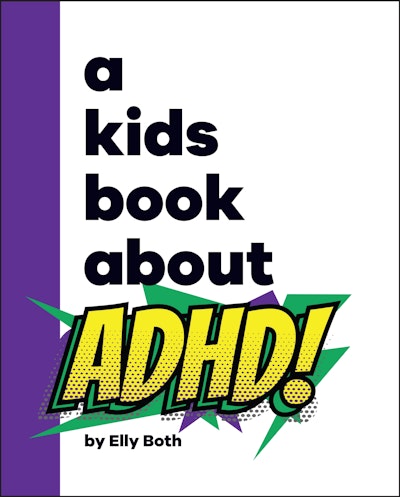
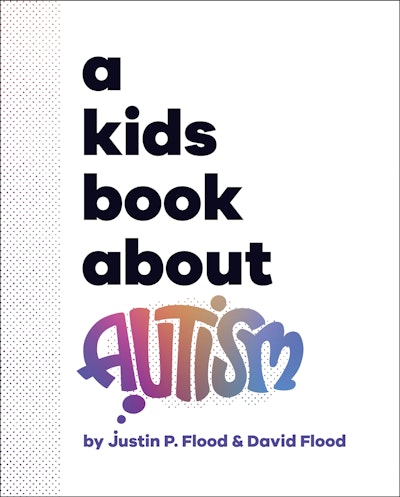
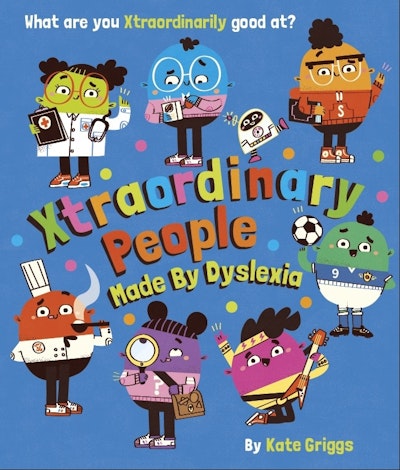
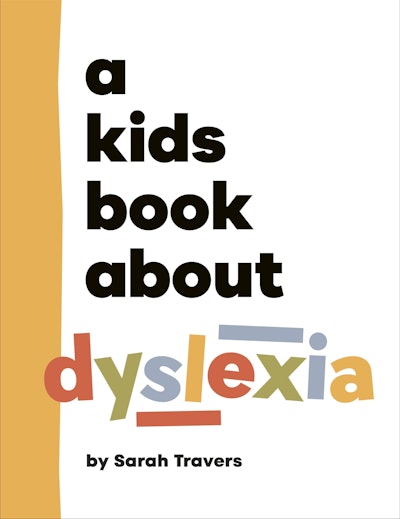
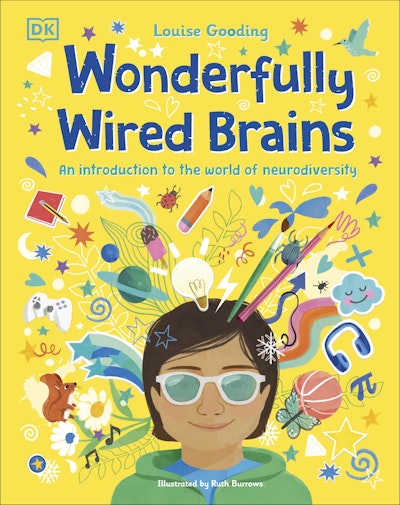
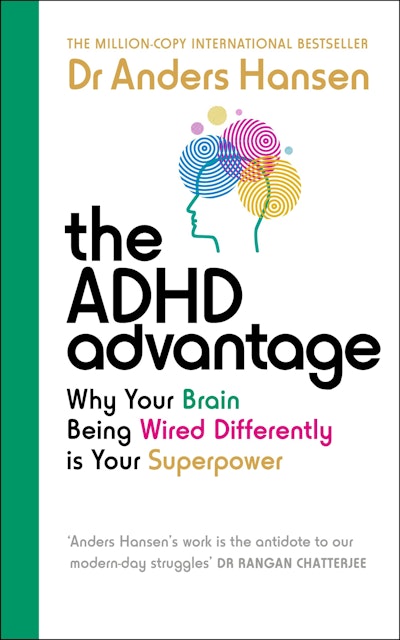
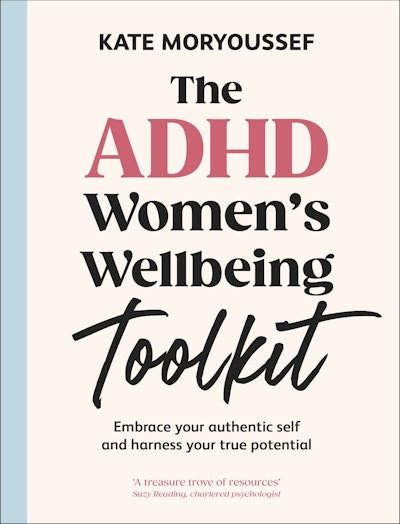
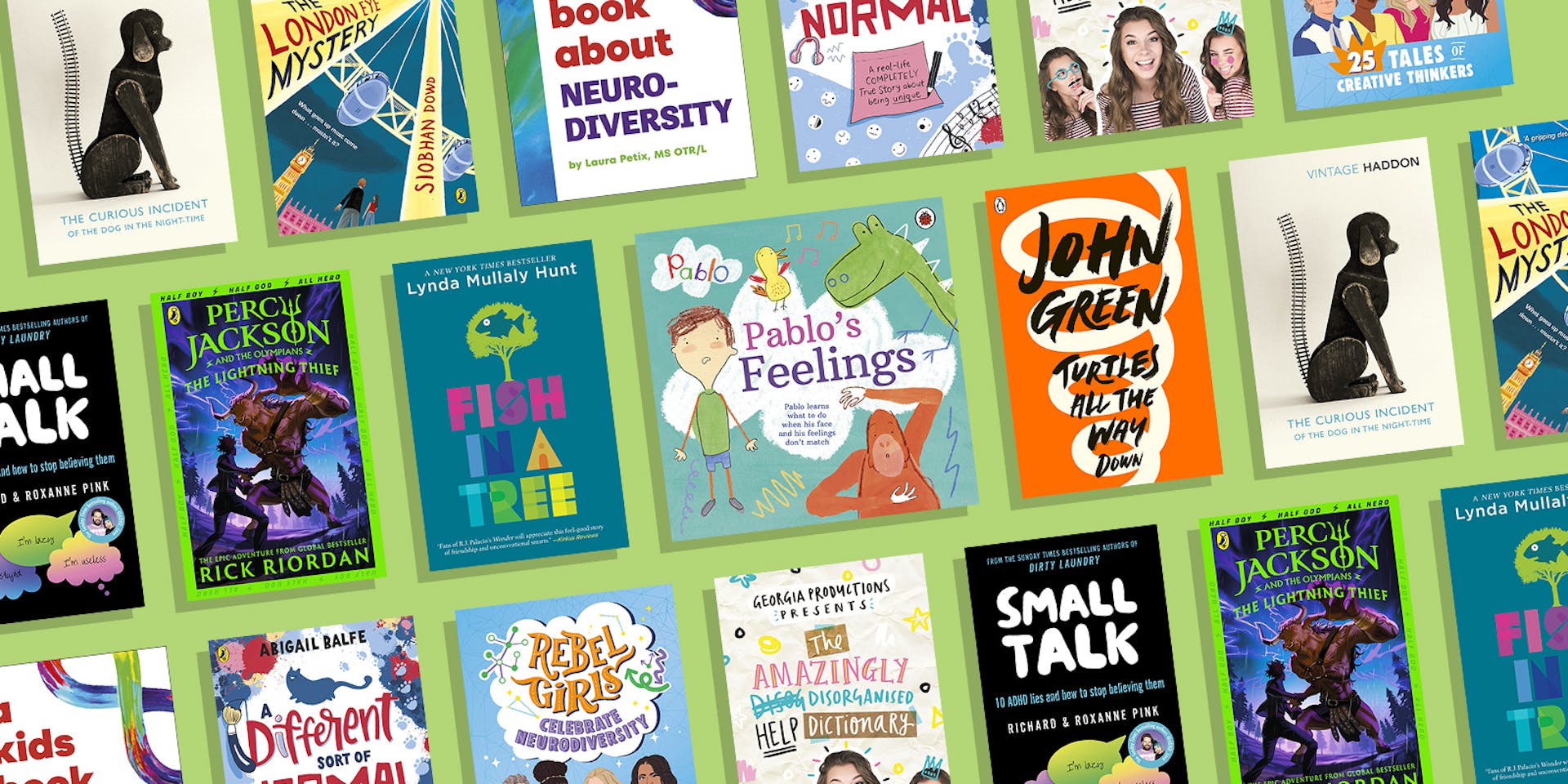
Start a discussion about neurodiversity with these books.