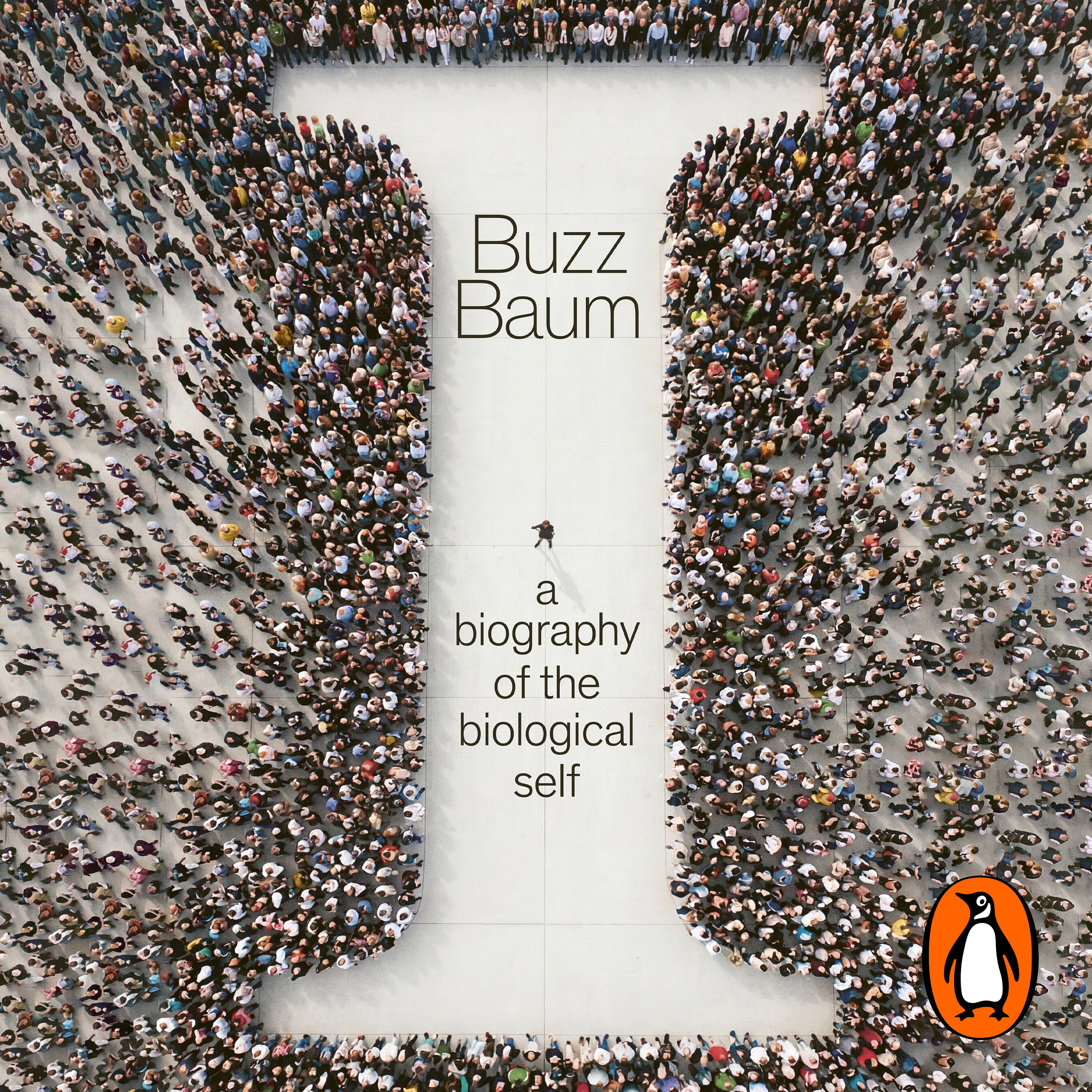
Each of us experiences life as a continual flood of sensations and thoughts that give us a powerful sense of being a singular individual ‘I’. But defining ourselves this way misses much that is unique and extraordinary about being human.
We are the product of four billion years of evolution, shaped by the divergence and merger of different lineages. Our bodies are beautiful at every scale, down to the trillions of cells from which we are made. The unity of life on Earth becomes clear under the microscope, where many differences fall away: malaria parasites, puffballs and humans all share a common cellular organisation, parts, processes and a common language.
Zooming out, each one of us is also a small part of larger wholes – families, communities, and the natural world. This entangled web of interactions also makes us who we are and gives us identity and purpose. So, it is often more accurate to say ‘we’ than ‘I’.
Through fact, fiction and stories drawn from life, this book offers a deeper appreciation of what it means to be human and alive and points towards ways of aligning our lives with the other creatures with whom we share this beautiful planet.