> Skip to content
[]
  • Published: 1 July 2012
  • ISBN: 9781742759005
  • Imprint: Vintage Australia
  • Format: Trade Paperback
  • Pages: 288
  • RRP: $24.99
Categories:

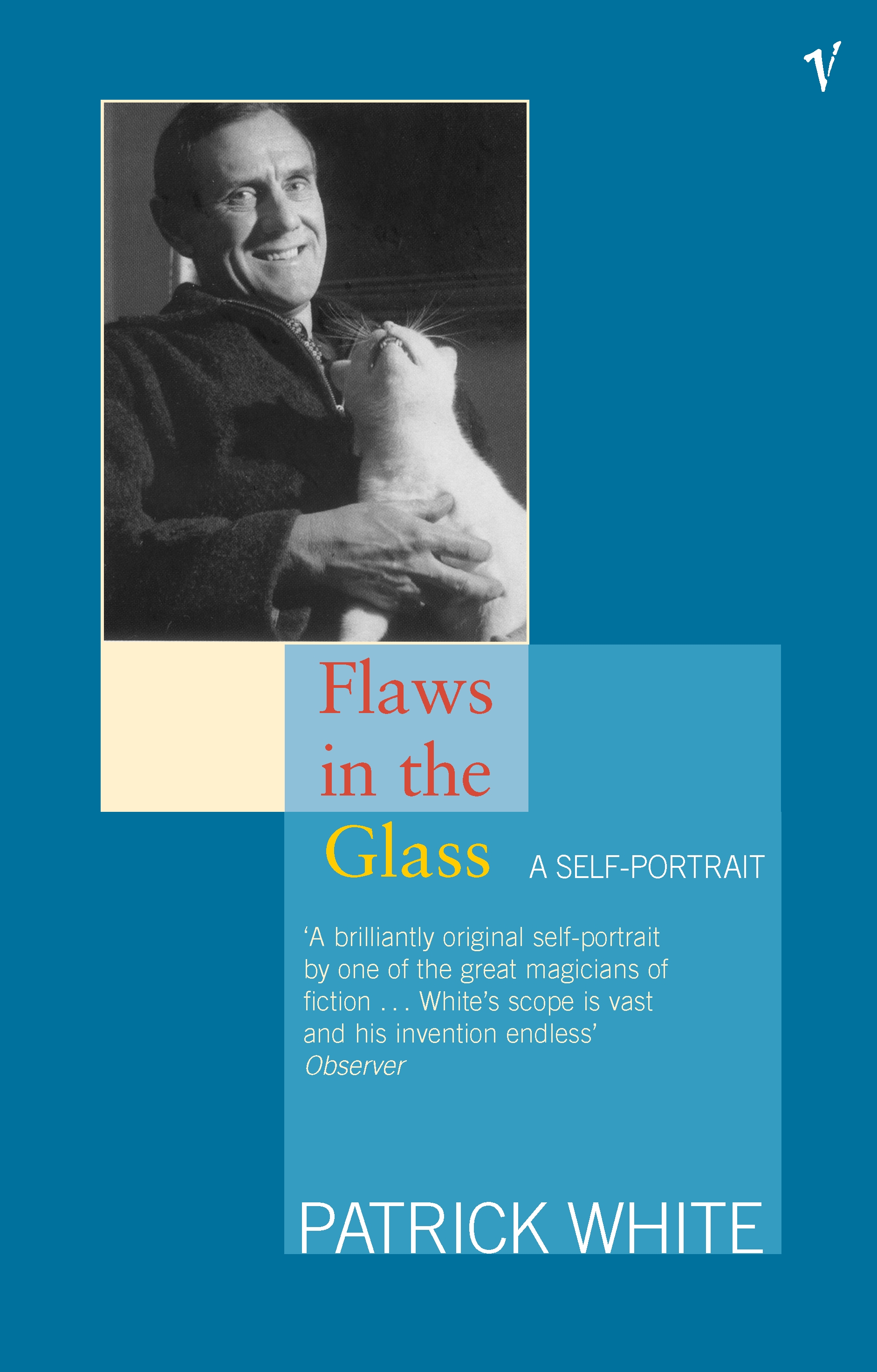
Flaws in the Glass


A self-portrait that is as brilliant original as White's fiction and drama.

In this remarkable self-portrait Patrick White explains how on the very rare occasions when he re-reads a passage from one of his books, he recognises very little of the self he knows. This 'unknown' is the man interviewers and visiting students expect to find, but 'unable to produce him', he prefers to remain private, or as private as anyone who has been awarded the Nobel Prize for Literature can ever be. In this book is the self Patrick White does recognise, the one he sees reflected in the glass.

  • Published: 1 July 2012
  • ISBN: 9781742759005
  • Imprint: Vintage Australia
  • Format: Trade Paperback
  • Pages: 288
  • RRP: $24.99
Categories:

About the author

Patrick White

Patrick White was born in England in 1912 and taken to Australia, where his father owned a sheep farm, when he was six months old. He was educated in England and served in the RAF, before returning to Australia after World War II. Happy Valley, White’s first novel, is set in a small country town in the Snowy Mountains and is based on his experiences in the early 1930s as a jackaroo at Bolaro. White went on to publish twelve further novels (one posthumously), three short-story collections and eight plays. His novels include The Aunt’s Story and Voss, which won the inaugural Miles Franklin Literary Award, The Eye of the Storm and The Twyborn Affair. He was the first Australian to win the Nobel Prize for Literature, in 1973, and is considered one of the foremost novelists of the twentieth century. White died in 1990, aged seventy-eight.

Also by Patrick White

See all

Praise for Flaws in the Glass

A brilliantly original self-portrait by one of the great magicians of fiction. White's scope is vast and his invention endless.

Observer

Another work of art. Flaws in the Glass is austere and ornamental, ignoring conventional chronology, linking associated fragments to create Proustian deviations. A hybrid being emerges of rare perception and acid experience; family, friends, places are landscapes of hell, heaven and purgatory in this Nobel Prize winner's fertile imagination.

The Times

A singularly penetrating act of self-scrutiny, a cold uncompromising stare into the mirror of an artist's life. There are lyrical patches and there are wryly comic passages, but the overriding impression it leaves is of a man driven by his creative daemon.

David Lodge

As absorbing an autobiography as has been written by a novelist this century.

New York Times Book Review

He records magnificently, helped by a brilliant eye and an unforgiving nature. His descriptions of Egypt, Greece and Australia are immediately evocative reading.

London Evening Standard