> Skip to content
[]
  • Published: 31 March 1999
  • ISBN: 9780553212778
  • Imprint: Bantam Dell
  • Format: Paperback
  • Pages: 112
  • RRP: $12.99

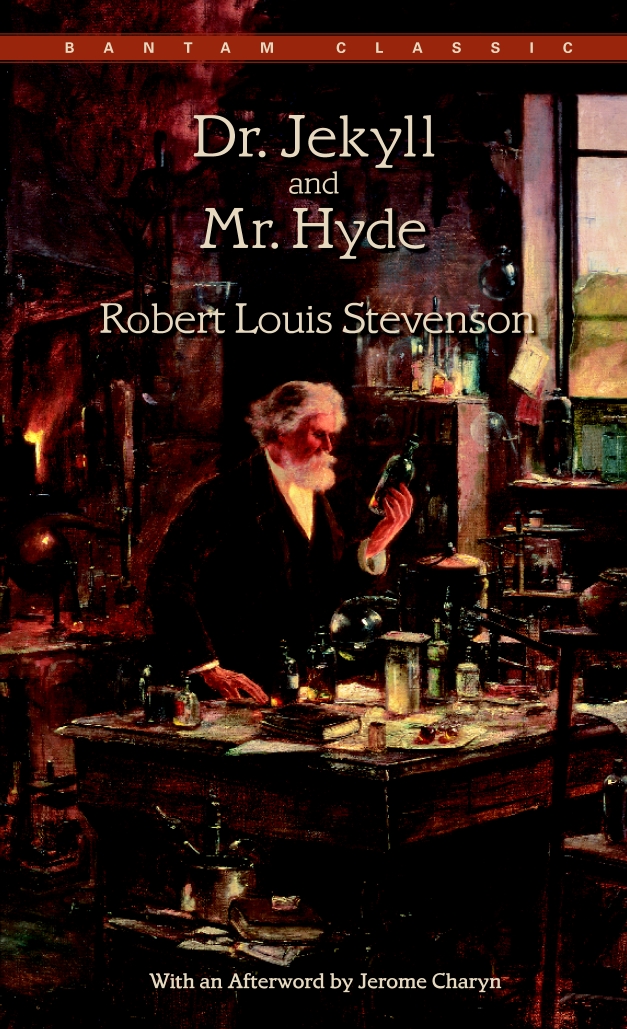
Dr. Jekyll and Mr. Hyde


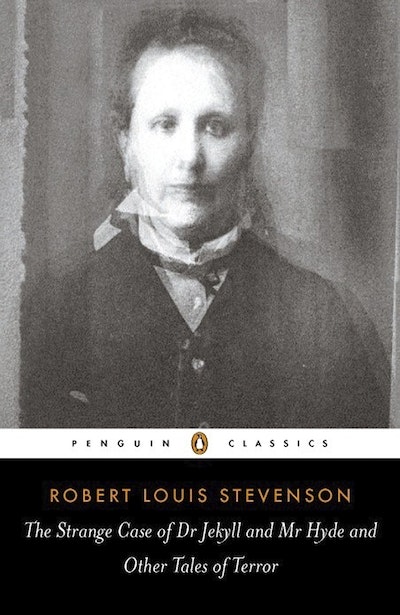
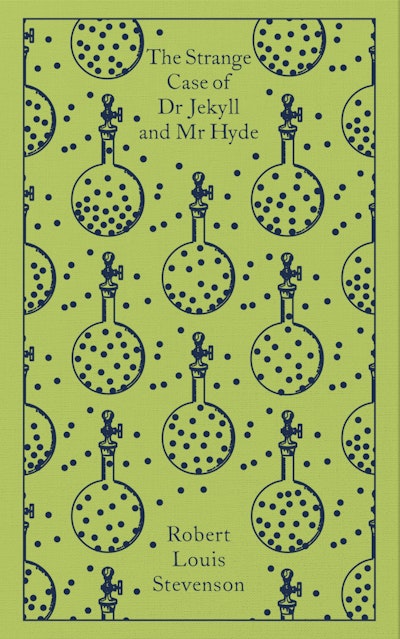
Robert Louis Stevenson originally wrote Dr. Jekyll And Mr Hyde as a "chilling shocker." He then burned the draft and, upon his wife's advice, rewrote it as the darkly complex tale it is today. Stark, skillfully woven, this fascinating novel explores the curious turnings of human character through the strange case of Dr. Jekyll, a kindly scientist who by night takes on his stunted evil self, Mr. Hyde. Anticipating modern psychology, Jekyll And Hyde is a brilliantly original study of man's dual nature—as well as an immortal tale of suspense and terror. Published in 1866, Jekyll And Hyde was an instant success and brought Stevenson his first taste of fame. Though sometimes dismissed as a mere mystery story, the book has evoked much literary admirations. Vladimir Nabokov likened it to Madame Bovary and Dead Souls as "a fable that lies nearer to poetry than to ordinary prose fiction."
  • Published: 31 March 1999
  • ISBN: 9780553212778
  • Imprint: Bantam Dell
  • Format: Paperback
  • Pages: 112
  • RRP: $12.99

About the author

Robert Louis Stevenson

Robert Louis Stevenson was born in Edinburgh in 1850. Chronically ill with bronchitis and possibly tuberculosis, Stevenson withdrew from Engineering at Edinburgh University in favour of Studying Law. Although he passed the bar and became an advocate in 1875, he knew that his true work was as a writer.

Between 1876 and his death in 1894, Stevenson wrote prolifically. His published essays, short stories, fiction, travel books, plays, letters and poetry number in dozens. The most famous of his works include Travels With A Donkey in the Cevennes (1879), New Arabian Nights (1882), Treasure Island (1883), The Strange Case of Doctor Jekyll and Mr Hyde (1887), Thrawn Janet (1887) and Kidnapped (1893).

After marrying Fanny Osbourne in 1880 Stevenson continued to travel and to write about his experiences. His poor health led him and his family to Valima in Samoa, where they settled. During his days there Stevenson was known as ‘Tusitala’ or ‘The Story Teller’. His love of telling romantic and adventure stories allowed him to connect easily with the universal child in all of us. ‘Fiction is to grown men what play is to the child,’ he said.

Robert Louis Stevenson died in Valima in 1894 of a brain haemorrhage.

Also by Robert Louis Stevenson

See all
penguin pop image
penguin pop image