> Skip to content
[]
  • Published: 2 January 2013
  • ISBN: 9780451532251
  • Imprint: Signet
  • Format: Paperback
  • Pages: 144
  • RRP: $12.99

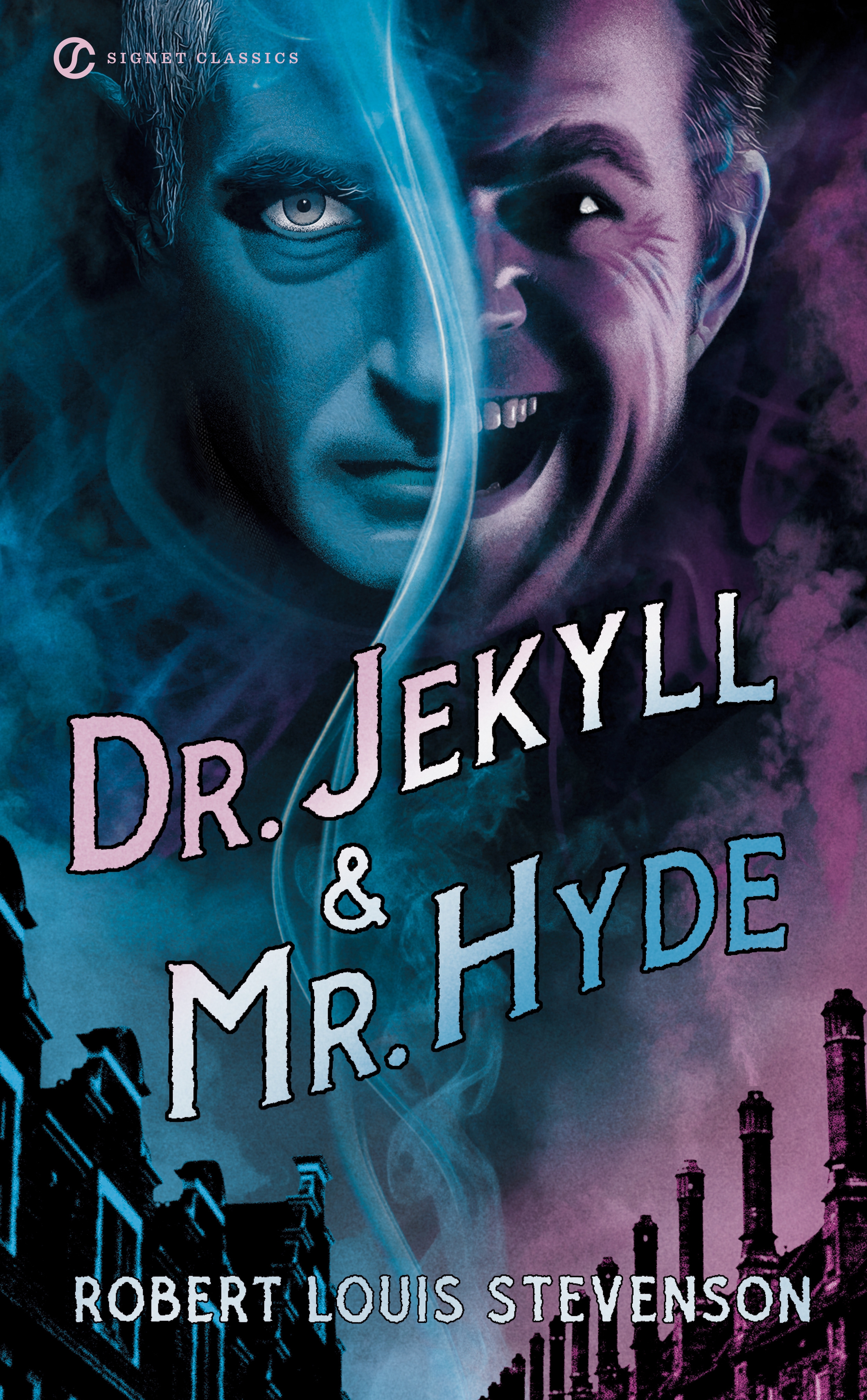
Dr. Jekyll and Mr. Hyde


Robert Louis Stevenson explores the very nature of man in this classic horror novel.

“Why did you wake me? I was dreaming a fine bogey tale.”

Robert Louis Stevenson’s masterpiece of the duality in man’s nature sprang from the darkest recesses of his own unconscious—during a nightmare from which his wife awakened him, alerted by his screams. 

More than a hundred years later, this tale of the mild-mannered Dr. Jekyll and the drug that unleashes his evil, inner persona—the loathsome, twisted Mr. Hyde—has lost none of its ability to shock. Its realistic narrative chillingly relates Jekyll’s desperation as Hyde gains control of his soul—and gives voice to our own fears of the violence and evil within us.

Written before Freud’s naming of the ego and the id, Stevenson’s enduring classic demonstrates a remarkable understanding of the personality’s inner conflicts—and remains the irresistibly terrifying stuff of our worst nightmares.


Includes the Famous Cornell Lecture on Dr. Jekyll and Mr. Hyde by Vladimir Nabokov

With an Introduction by Kelly Hurley
and an Afterword by Dan Chaon
  • Published: 2 January 2013
  • ISBN: 9780451532251
  • Imprint: Signet
  • Format: Paperback
  • Pages: 144
  • RRP: $12.99

About the author

Robert Louis Stevenson

Robert Louis Stevenson was born in Edinburgh in 1850. Chronically ill with bronchitis and possibly tuberculosis, Stevenson withdrew from Engineering at Edinburgh University in favour of Studying Law. Although he passed the bar and became an advocate in 1875, he knew that his true work was as a writer.

Between 1876 and his death in 1894, Stevenson wrote prolifically. His published essays, short stories, fiction, travel books, plays, letters and poetry number in dozens. The most famous of his works include Travels With A Donkey in the Cevennes (1879), New Arabian Nights (1882), Treasure Island (1883), The Strange Case of Doctor Jekyll and Mr Hyde (1887), Thrawn Janet (1887) and Kidnapped (1893).

After marrying Fanny Osbourne in 1880 Stevenson continued to travel and to write about his experiences. His poor health led him and his family to Valima in Samoa, where they settled. During his days there Stevenson was known as ‘Tusitala’ or ‘The Story Teller’. His love of telling romantic and adventure stories allowed him to connect easily with the universal child in all of us. ‘Fiction is to grown men what play is to the child,’ he said.

Robert Louis Stevenson died in Valima in 1894 of a brain haemorrhage.

Also by Robert Louis Stevenson

See all
penguin pop image
penguin pop image