
Five ways to rearrange your personal reading archive.
In recent weeks you’ve likely had a chance to Marie Kondo your clutter, Jamie Oliver-ise your pantry and/or Stephanie Alexander-ify your veggie patch. Now it’s a great time to turn your attention to that oft-ignored window to your soul: your bookshelf.
Some books drift in and out of our lives on the breeze. We’re happy to gift them, loan them out, share them and stack them under a laptop to create an ergonomically acceptable home office. Then there are the books that we keep. These ‘keepers’ tell us a lot about the kinds of people we are. They’re the ones that emotionally resonate, the ones we’ll likely reread, the ones that tell others about what matters to us. With that in mind, our bookshelves take on a far greater purpose than mere storage space.
So, does your bookshelf truly reflect your identity? (At least, the version of your ‘identity’ that you’re comfortable sharing with others?) Whether yours is a riot in progress or a just needs a little TLC, here are five approaches to reshuffling your shelves.
1. Alphabetical by Author
Ever wanted to work in a bookshop? This is your chance to set your shelves up like the pros. Austen, Burroughs, Cervantes, Dickens… All your ducks are in line, so you never have to thumb along too many spines before striking gold. The only drawback: you have to bump everything along the shelf when you bring home a new favourite.
2. Colour Spectrum
Create your own Insta-worthy bookshelf rainbow. Red, yellow, blue – pick a primary colour to begin and work forwards or backwards through the full spectrum. You’ll likely get a nice row of Popular Penguin tri-bands in there somewhere, and you can set it off with trinkets that match the colour scheme. The only drawback: you’ll hardly ever be able to find anything, ever. But, hey! You’ll look good while you’re doing it.
3. Sliding Scale
This one’s a bit dependent on the shape or configuration of your shelf space(s). But if you can, why not try large to small or vice versa? You end up with a striking slope pattern, and if you start large then the end product looks like a downward curve on a graph. (And who doesn’t love seeing those right now?!) The only drawback: just like the Colour Spectrum, there’s not really any bibliographical landmarks to help you find stuff.
4. Genre System
Prefer browsing library shelves to bookstores? The Genre System could be the solution for you. Thrillers on one shelf, historical fiction on another; literary tomes over there and guilty pleasures tucked away in a shoebox all the way down there. Take it to the next level and alphabetise each genre too. The only drawback: is Chloe Hooper’s The Arsonist true crime or some kind of literary non-fiction? Are Diana Gabaldon’s Outlander books sci-fi, romance or historical fiction? If pigeonholing isn’t your thing, maybe try a different approach.
5. Random Stacker
Okay, so this solution might not be too far from complete chaos, but bear with us. Think boho Brooklyn loft – book stacks and towers rising like the Manhattan skyline – and you get the idea. If they’re already on the floor, your book stacks can double as cubby walls for the kids. The only drawback (apart from, y’know, your books being in piles everywhere and stuff): surgically removing that book from the bottom of the pile is a delicate art.

Penguin Random House (PRH) has been made aware of people impersonating our authors, including Richard Flanagan, and contacting members of the public by email or through social media.
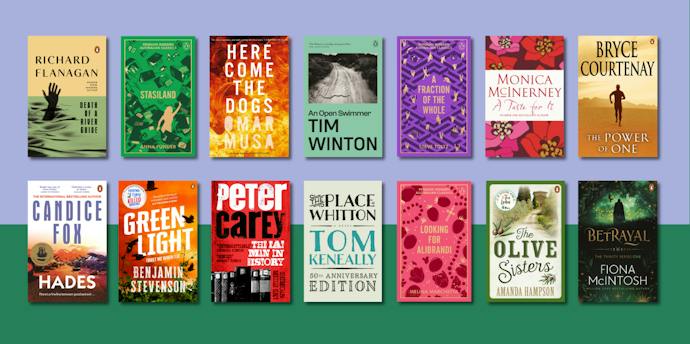
Every great author must start their story somewhere.

Both audiobooks and paperback books offer different ways to experience a story, each with its own distinct benefits.
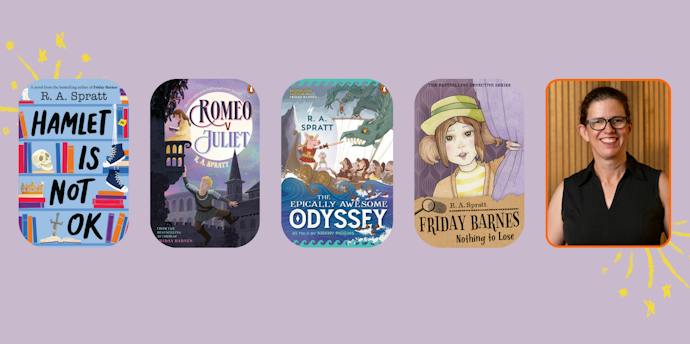
October is Dyslexia Awareness Month, a time to build greater awareness and understanding of dyslexia and the different ways people experience reading. Author R. A. Spratt shares some of the techniques she uses to make her books more accessible for dyslexic readers, along with practical reading and writing tips drawn from her own experience.
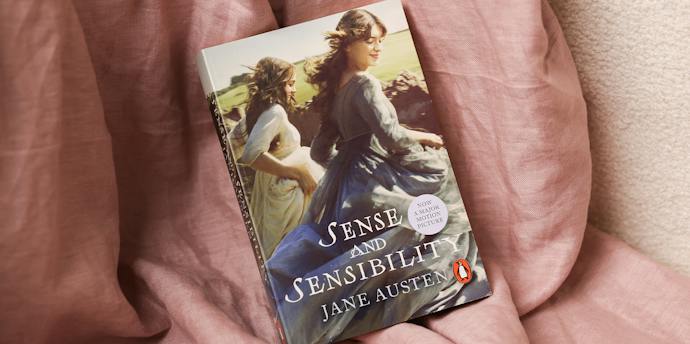
The Dashwood sisters return to the big screen in a new Sense and Sensibility adaptation starring Daisy Edgar-Jones and Esmé Creed-Miles.
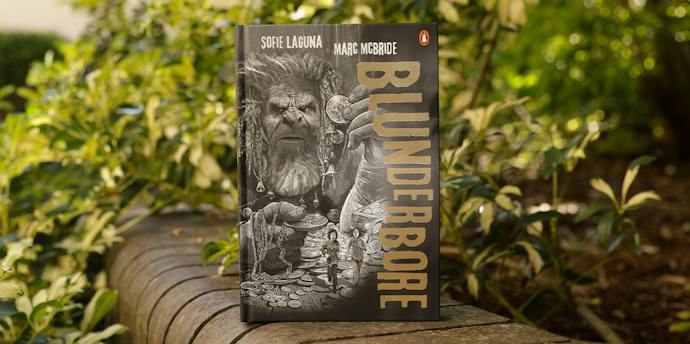
This is Jack and the Beanstalk like you’ve never seen it before! An exciting action-packed graphic adventure story set in the world of Jack in the Beanstalk. From award-winning author Sofie Laguna and monster-illustrator extraordinaire, Marc McBride.

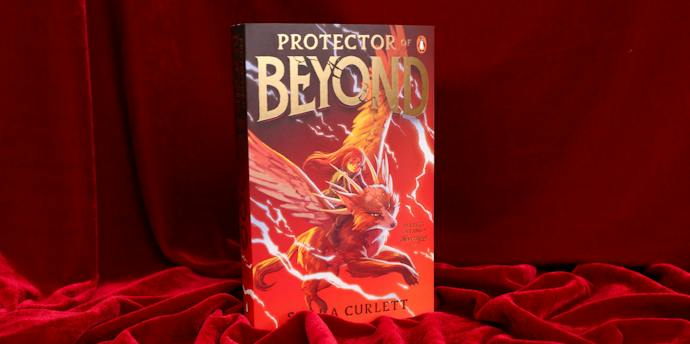
Your unique spark determines which Fiercer will choose you, and which Gard you will belong to!
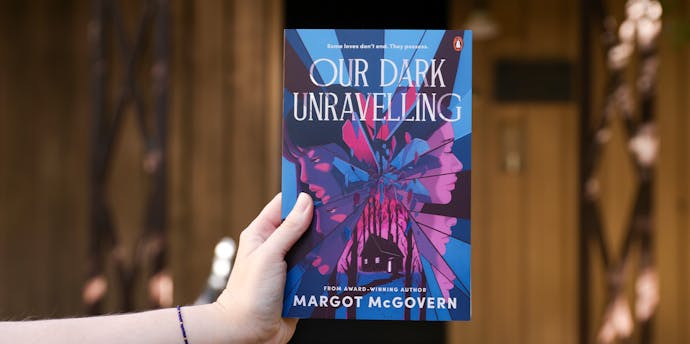
Margot McGovern’s Our Dark Unravelling is the must-read YA horror thriller for 2026.
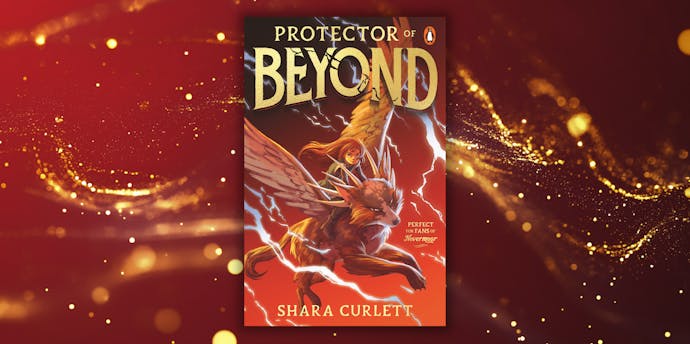
Magical creatures, perilous trials and one unbelievable adventure await in Protector of Beyond, the first book in a gripping new fantasy book series from exciting new voice Shara Curlett.

Fall in love with Penguin’s selection of the best romance fiction. Explore our diverse list of new favourite reads, from YA favourites to Australian classics.