
Sauerkraut is one of those humble foods that carries centuries of tradition.
Just cabbage and salt, given time and the right conditions, transform into something lively with tang, tucked into wooden barrels in Alpine cottages or packed into crocks across Eastern Europe. I first learned to make sauerkraut from the same Bavarian baker I introduced you to in the pages on sourdough (see p122), this time in a small cellar kitchen with no windows or extraction system. Elbow-deep in giant tubs, rubbing salt and cabbage together for hours on end, I fell in love with the strangely relaxing, stinging process. This is a food that came from the root cellar and ended up shaping cuisines. It speaks of winter stores and forward planning and is by far one of my favourite ways to enjoy the humble cabbage.
Equipment
- 5-litre glass jar sanitized
- fermentation weight
- airlock (optional)
Ingredients
- 8kg cabbage (any kind, though texture will vary)
- 55g sea salt (3% of the cabbage weight)
Method
- Wash the cabbage, then shred using a sharp knife. If you want to speed this up, use a food processor with a blade attachment or a mandoline.
- Tip the cabbage into a large mixing bowl and mix in the salt. Massage the salt into the cabbage for 5-6 minutes to draw the moisture out from the cabbage, bruising the leaves and dissolving the salt.
- Pack the cabbage and its briny juices into the jar and add the fermentation weight. Add an airlock, if using, and secure the lid. Leave it somewhere out of direct sunlight, at 18-21C (64-70°F), for 2-3 weeks until fully matured. I recommend using an airlock, as it's rather ripe to begin with, but alternatively, you can "burp" it daily (see p30).
- After 2-3 weeks of active fermentation, move it to a cold cellar or fridge. It is at its best after 3 months but can be kept for up to 6-12 months.
Traditional method
If you're making sauerkraut the traditional way, instead of fermenting for 2-3 weeks at room temperature, then moving to a cold place, you can leave it at a colder winter temperature for a longer period of time. Fermentation will be slower for the first month, but it will gradually creep into life as the days warm up in the lead up to spring. This approach means your sauerkraut will be at its peak during the hungry gap in early spring when not much greenery is available.
Recipe ideas
Side dish: Serve alongside sausage and potatoes for the classic eastern european trio, or as a side to slow-roasted pork shoulder.
Reuben: Pile high on rye bread with corned beef, swiss cheese, and russian dressing for a classic reuben. It adds the essential sour crunch.
Soup: Add to a warming broth made with smoked meat, root veg, and sometimes barley for kapustnyak or sauerkrautsuppe. Or add a spoonful to a humble broth right before serving.
Fritters: Mix with mashed potatoes or cheese with a small amount of flour, form into little patties, and fry until crisp. Serve with a dollop of sour cream or spicy mayo.
Smoothies (yes, really): Add a tablespoon of sauerkraut or its brine in a savoury-style green smoothie for a probiotic punch and subtle zing. It's surprisingly nice with celery cucumber, and herbs.

This recipe is an easy, one-pan dish that works well with any cut of chicken.
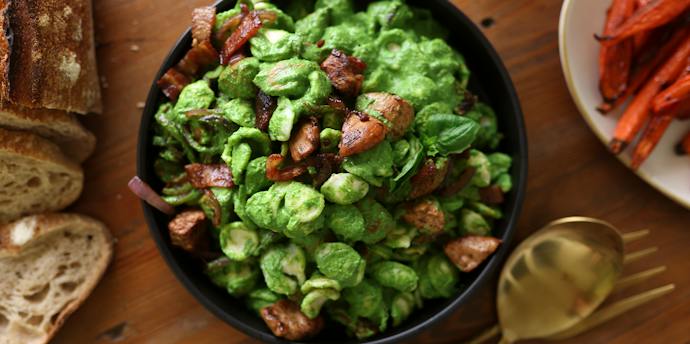
This was one of the only ways I could eat fresh greens during my first trimester of pregnancy, and it’s one of the few ways I can get my toddler to eat them, too!



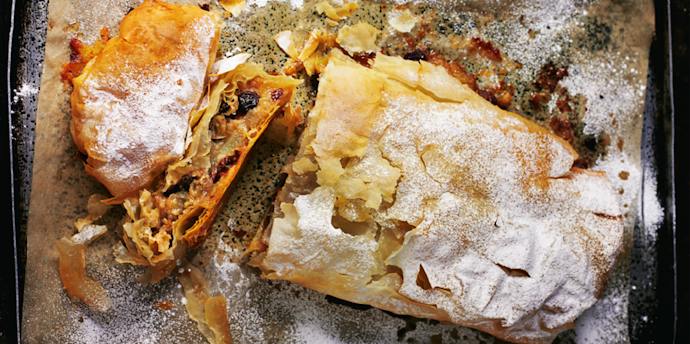

Apricots are rich in the phytochemical beta-carotene, which is important for healthy eyes and a strong immune system.
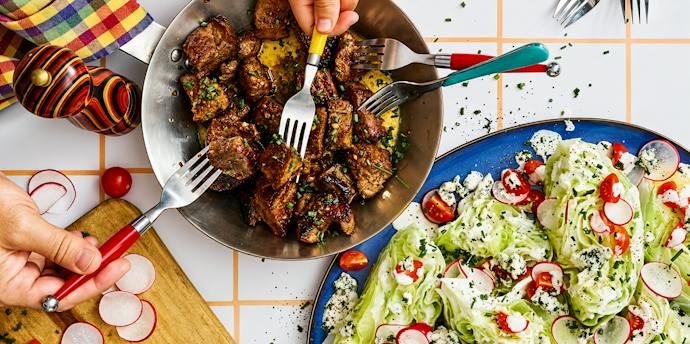
To me, the perfect steakhouse meal involves French Onion Soup, a sizzling buttery steak, and a crisp wedge salad, so this is like all of those flavours in one much more affordable weeknight dinner.
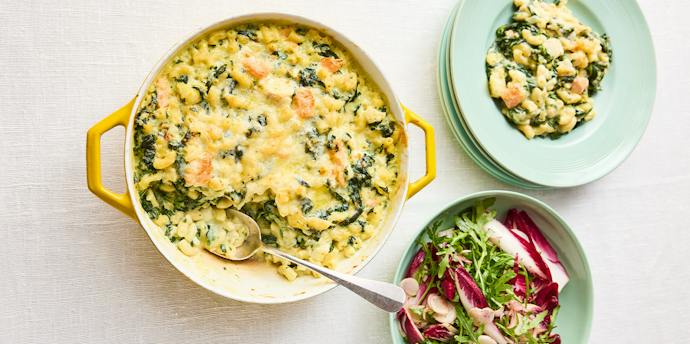
Ready in 20 minutes, this pasta bake from Jamie Oliver has all the flavours and comforting qualities of a fish pie. Perfect for a midweek family dinner.

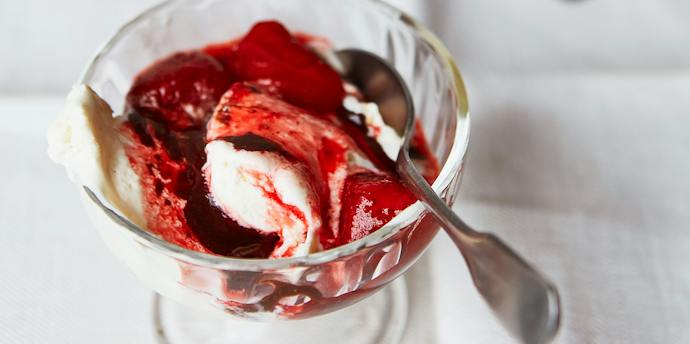
The lime-roasted strawberries and peanut fudge sauce are essentially a refined combination of peanut butter and jelly and boy do they sing together!
