- Published: 7 May 2026
- ISBN: 9781802065022
- Imprint: Penguin eBooks
- Format: EBook
- Pages: 496
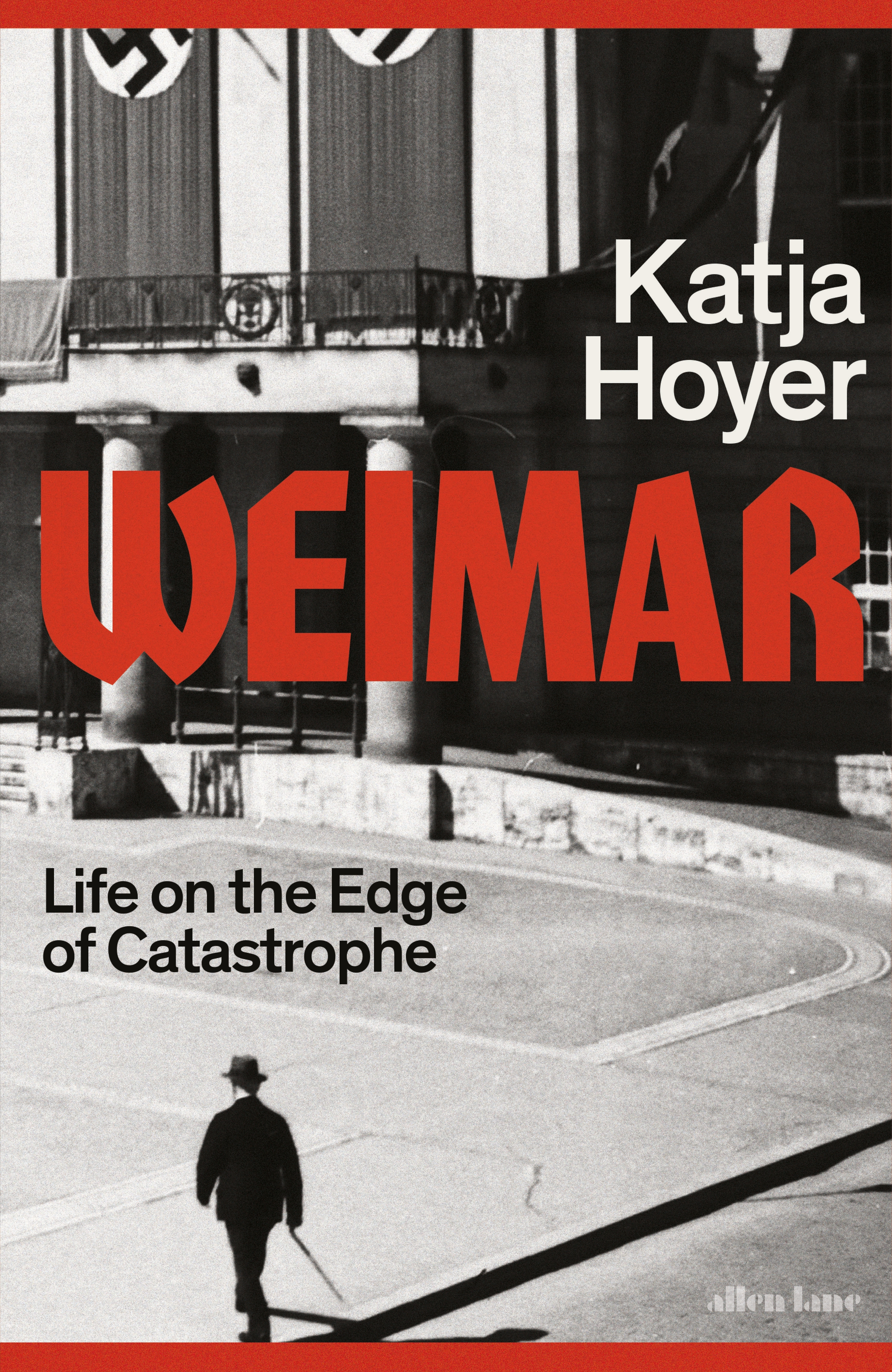
Weimar
Life on the Edge of Catastrophe


- Published: 7 May 2026
- ISBN: 9781802065022
- Imprint: Penguin eBooks
- Format: EBook
- Pages: 496

Weimar is populated not by abstractions but by people... Hoyer writes with verve and a keen eye for telling detail... She shows with quiet acuity how ordinary, self-respecting Weimarers succumbed to the siren call of Nazism
The Times
A fascinating history of Germany from 1914 to the Second World War
Daily Mail
A humane and profoundly sympathetic history of the Weimar Republic, demonstrating the neuroses, the passions and the human failings that would propel that polity to disaster. Totally absorbing, it is highly recommended
Roger Moorhouse
A leading historian offers the definitive account of Weimar, a city that is central to Germany's literary tradition - as well as to the darker chapters of its history
New Statesman
Britain's favourite German historian... Hoyer has been beavering away in the archives to tell the story of the crack-up of democracy in interwar Germany, through a vivid cast of characters
Sunday Times
Deeply fascinating and well crafted … The life stories in Hoyer's book make it hard to put down
TLS
Extraordinary … The story of the normalisation of the totally abnormal
Alistair Campbell, The Rest Is Politics
Humane history-writing at its best
Literary Review
Its writing is gripping, Hoyer’s command of existent histories is clear, and her primary research is thorough and inventive... Reading Hoyer’s book, I recalled Svetlana Alexievich’s stated aim in Voices from Chernobyl: to tell the stories of ‘little, great people’ who voice their ‘own, little histories’ while ‘big history is told along the way’. This is where Weimar excels
History Today
Katja Hoyer has pulled off another triumph. Weimar tells the story of the city that gave its name to the doomed German republic, formed in the aftermath of the First World War ... Hoyer has delved deep into the German archives to paint a vivid and compelling picture of a city that had dreamed of democracy but ended in darkness. A great read
Giles Milton
Such an important book
The Independent
The autopsy of a liberal democracy, told in the words of its own citizens. Katja Hoyer tracks the everyday acts of omission and concession in the face of ruthless wrong, showing how the compliant and the complacent ultimately undermine the brave. A book about a hundred years ago— without question a book for now
Neil MacGregor
A bright, young historian... Strap in to watch the slow collapse of a society, amid a throng of fascists, socialists, artists and politicians
Telegraph, Books to Look Forward to in 2026
A fresh and gripping account of the interwar years seen through the lens of Germany’s most legendary town. By skilfully weaving into the political narrative the stories of ordinary people, Katja Hoyer gives readers a vivid sense of what it was like to be alive then and there. Brilliantly researched, this is history at its very best
Julia Boyd
A nuanced account of the spiritual and cultural heart of Germany … Hoyer serves up history with a human heart
Irish Times
From literary and artistic gem to Nazi stronghold, how a quaint town encapsulated the best and worst in German history ... Weimar is an excellent read
Financial Times
Hoyer's book confronts us with troubling ambiguities ... Understanding why ordinary, even likeable, people turned away from democracy is, she argues, essential to safeguarding freedom ... that task could scarcely be more urgent
Guardian
Katja Hoyer's superb Weimar focuses on a cross-section of characters in a single German town in the inter-war years to help us better understand the rise of Nazism
Saul David
Lucid, lively... Entirely to her credit, Hoyer describes the vices, vanities, fears, cowardice, heroism, naivety, cynicism, opportunism and the very human instinct to protect one's loved ones without indulging in self-righteous moralising
Ian Buruma, New Statesman
Most histories of interwar Germany focus on Berlin (sleaze, cabarets, expressionist art) or Munich (beer, Nazis in lederhosen), so it’s clever to tell the ill-starred story of the Weimar Republic through the 35,000-strong town of Weimar itself, home to Goethe and so many parks. Katja Hoyer weaves her story using the lives of various locals — book-keepers, hoteliers, party activists — to show what it was like to live on "the edge of catastrophe" and show why so many Germans succumbed to Nazi fever
The Times
Superb... Katja Hoyer finds the town of Weimar a perfect microcosm for a country teetering into darkness... intelligent, original and well-researched... an exemplary insight into a grim chapter in German history
Simon Heffer, Daily Telegraph
There has been a renewed uptick in books about the Weimar Republic, with many observers worrying about possible contemporary parallels. Historian Hoyer opts for a different tack, going to the picturesque Thuringian town that gave its name to Germany’s first ill-fated experiment with democracy to explore, via a collection of individuals, how the home to many of Europe’s cultural giants became an early Nazi stronghold
Financial Times
This clever inter-war study takes the city of Weimar as a microcosm of the doomed republic that bore its name. We meet a rich cast of ordinary Germans, struggling to survive – then turning on each other. Hoyer is one of our brightest young historians: Weimar is another triumph to her name
The Telegraph