> Skip to content
[]
  • Published: 3 June 2008
  • ISBN: 9781101213001
  • Imprint: PEN US eBook Adult
  • Format: EBook
  • Pages: 224

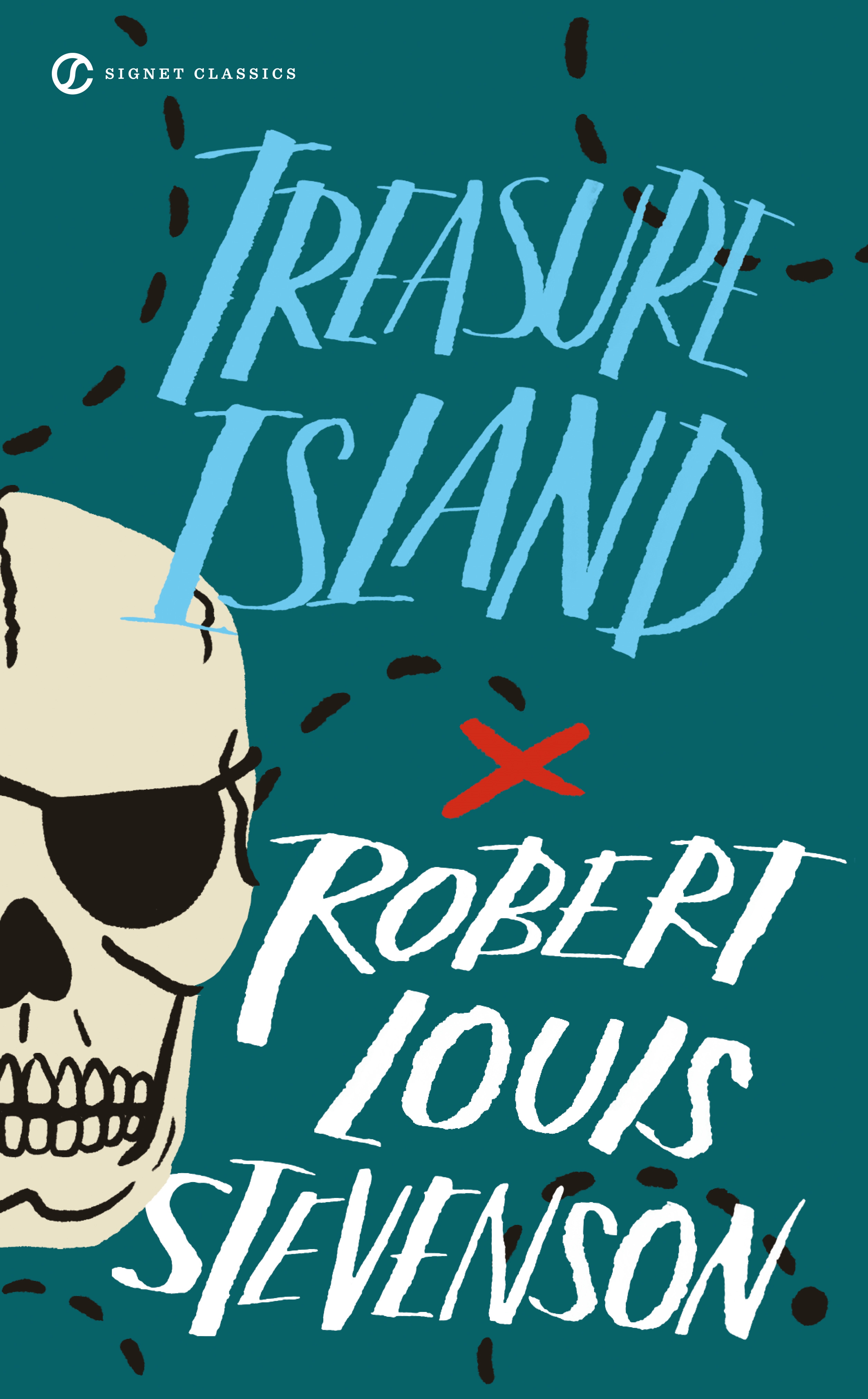
Treasure Island


The rousing seafaring classic of adventure, pirates, and buried treasure

“Fifteen men on a dead man’s chest—
Yo-ho-ho, and a bottle of rum!”

For sheer storytelling delight and pure adventure, Robert Louis Stevenson’s Treasure Island has never been surpassed. From young Jim Hawkins’s first encounter with the sinister beggar Pew to the climactic battle with the most memorable villain in literature, Long John Silver, this novel has fired readers’ imaginations for generations. A stirring tale of treachery, greed, and daring, Treasure Island continues to enthrall readers of all ages.

This edition features an introduction by Patrick Scott and an afterword by Sara Levine.
  • Published: 3 June 2008
  • ISBN: 9781101213001
  • Imprint: PEN US eBook Adult
  • Format: EBook
  • Pages: 224

About the authors

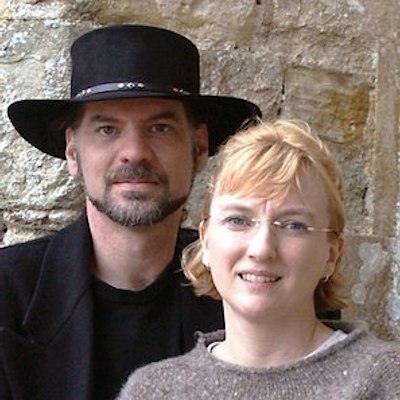
Barb Hendee

Barb & J.C. Hendee live just outside of Boulder, Colorado, close to the Rocky Mountains. Both are online college instructors in English. J.C. teaches for Metropolitan State College of Denver, and Barb teaches for the University of Colorado at Denver. Barb's short fiction has appeared in numerous genre magazines and anthologies. She is the author of the novel Blood Memories. J.C.'s poetry, nonfiction, and short fiction have also appeared in many genre magazines.

Robert Louis Stevenson

Robert Louis Stevenson was born in Edinburgh in 1850. Chronically ill with bronchitis and possibly tuberculosis, Stevenson withdrew from Engineering at Edinburgh University in favour of Studying Law. Although he passed the bar and became an advocate in 1875, he knew that his true work was as a writer. Between 1876 and his death in 1894, Stevenson wrote prolifically. His published essays, short stories, fiction, travel books, plays, letters and poetry number in dozens. The most famous of his works include Travels With A Donkey in the Cevennes (1879), New Arabian Nights (1882), Treasure Island (1883), The Strange Case of Doctor Jekyll and Mr Hyde (1887), Thrawn Janet (1887) and Kidnapped (1893). After marrying Fanny Osbourne in 1880 Stevenson continued to travel and to write about his experiences. His poor health led him and his family to Valima in Samoa, where they settled. During his days there Stevenson was known as ‘Tusitala’ or ‘The Story Teller’. His love of telling romantic and adventure stories allowed him to connect easily with the universal child in all of us. ‘Fiction is to grown men what play is to the child,’ he said. Robert Louis Stevenson died in Valima in 1894 of a brain haemorrhage.