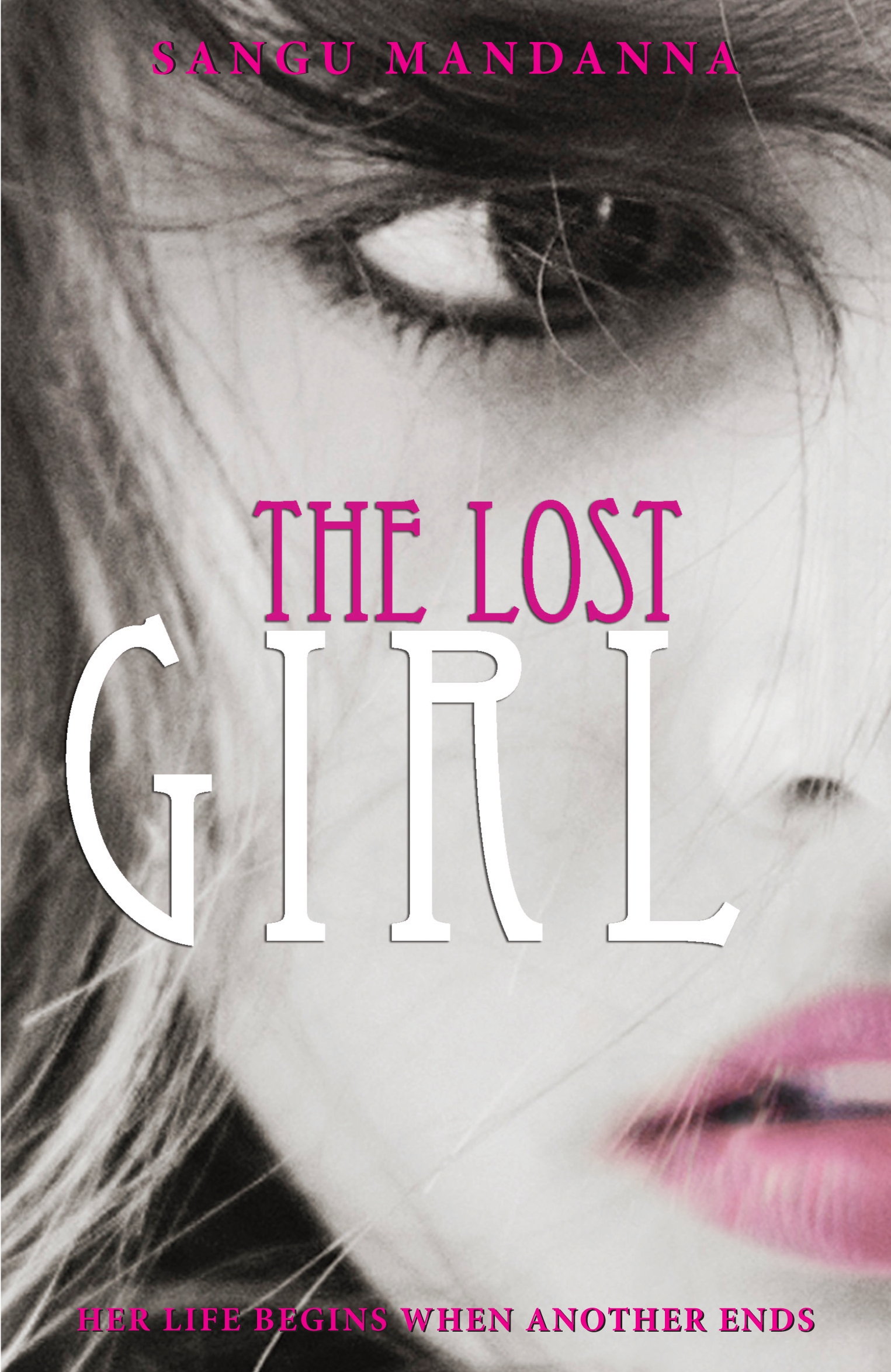
- Published: 3 December 2012
- ISBN: 9781849416177
- Imprint: Definitions
- Format: Paperback
- Pages: 400
- RRP: $32.99
The Lost Girl


- Published: 3 December 2012
- ISBN: 9781849416177
- Imprint: Definitions
- Format: Paperback
- Pages: 400
- RRP: $32.99
About the authors

The most honest portrait of grief and loss that I've read in a long time. Filled with heartache, love and things that would stir Mary Shelley's ghost, this is not a story to be missed.
Lauren DeStefano, bestselling author of the Chemical Garden trilogy
A provocative and page-turning thriller/romance that gets at the heart of what it means to be human
Kirkus Reviews
The Lost Girl is a lovely, lovely book. The writing is truly lyrical, full of thoughts and feelings and love and pain. Eva is more than an engaging character; she's a living, breathing girl of worth . . . I loved the beautiful, evocative writing style and I loved every character in this book. I also loved the feelings and themes behind it - a reverence for life, an appreciation of beauty and freedom, a deep understanding of the importance of love.
thebookbag.co.uk
It's refreshing that the heroine is brave but also vulnerable and relatable . . . It is also a treat to read a novel which is unashamedly British-Indian, and set in both Windermere and Bangalore . . . The story is fast-paced and the narrator is likeable
Starburst Magazine
The Lost Girl is something I would definitely read over and over again . . . It is a fabulous read
Sugarscape
The story is great; it’s exciting and tense with plenty of action . . . The Lost Girl is an amazing first novel and I think Sangu Mandanna is a name to watch out for.
andthenireadabook.blogspot
This is a lovely read for a teen audience.
wesatdown.blogspot.co.uk
This is a fantastic debut, one I couldn’t put down and that raises some truly interesting question about the nature of the soul, ethics and the truth about being ‘human’. I cannot wait to see what Mandanna writes next . . . this was one of the most compelling YA books of this type that I have read to date
ChooseYA.com
The Lost Girl was incredible. There's no other way of saying it.
readaraptor.co.uk
The story is impressively creative . . . Sangu Mandanna has crafted a gorgeous debut that addresses the tough questions about rights of the living.
fansoffiction.blogspot.co.uk
A stunning debut, The Lost Girl combines a brilliant concept with flowing writing to create a thought provoking dystopian.
hannahmariska.blogspot.co.uk
The Lost Girl just filled me with a jumble of overpowering emotions, all of which touched my heart deeply. It's so beautiful. An overwhelmingly creative story. One that urges people to think, think very hard, and evaluate the value of a human life and how to live it. Debut author Sangu Mandanna has written an emotional, unforgettable tale of one's girl's struggle to just live as herself, to have an identity to call her own and feel how it is to be human, to love and be loved. Sangu Mandanna, you are brilliant!
AmaterasuReads.blogspot
The Lost Girl may be based on a fantastic premise but it addresses issues that most post-adolescents must sort out as best as they can: a vanishing childhood, the exchange of innocence for experience, and the newness of navigating a world without shelter.
The Asian Age