General Simon Bolivar, 'the Liberator' of five South American countries, takes a last melancholy journey down the Magdalena River, revisiting cities along its shores, and reliving the triumphs, passions and betrayals of his life. Infinitely charming, prodigiously successful in love, war and politics, he still dances with such enthusiasm and skill that those watching cannot believe he is ill. Aflame with memories of the power that he commanded and the dream of continental unity that eluded him, he is a moving exemplar of how much can be won - and lost - in a life.
With the style and eloquent language that earned him the Nobel prize for literature, Marquez weaves a stunning story of glory and despair. Both real history and Marquez' imagination let us enter the world of Simon Bolivar, Liberator of South America, in all his humanity - good and evil. Bolivar drove the Spanish out of South America, dealt with treachery from his own compatriots. Once hailed as a hero, he is now scorned and reviled, and fighting his own demons, he refuses to die quietly. We are given a glimpse of the genius and foibles of the man behind the legend, as we accompany him on his last journey, accompanied only by the loyal remants of his once great army.
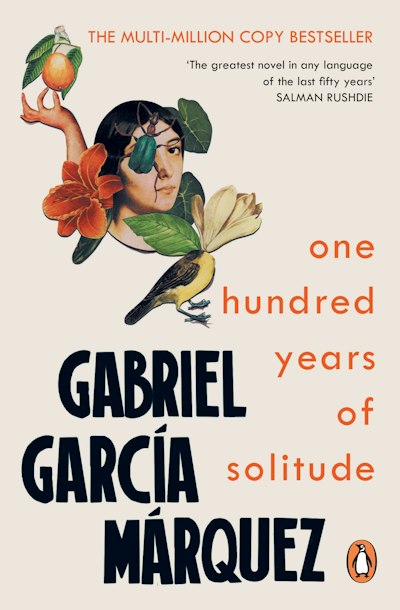
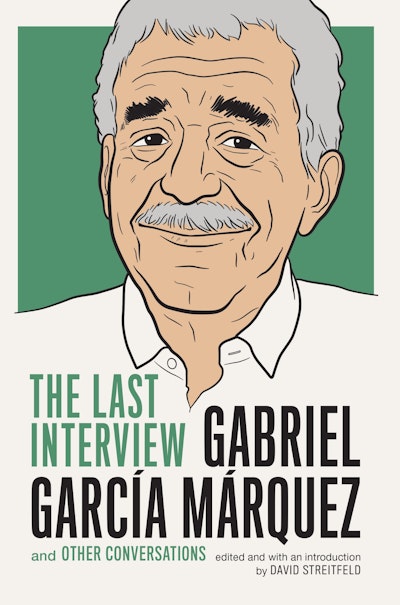
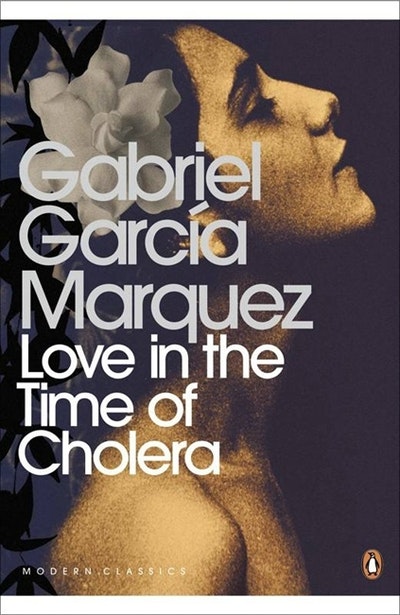
Gabriel Garcia Marquez (b. 1927, Aracataca, Colombia; d. 2014, Mexico City, Mexico) was a Colombian novelist, short-story writer, and journalist. He was one of the most influential and beloved novelists of the twentieth century; his novel One Hundred Years of Solitude has been read by millions worldwide, and is the foremost example of "magical realism." His other books include the novels The Autumn of the Patriarch, No One Writes to the Colonel, Love in the Time of Cholera, and Memories of My Melancholy Whores, and a memoir, Living to Tell the Tale. He received the Nobel Prize for Literature in 1982.