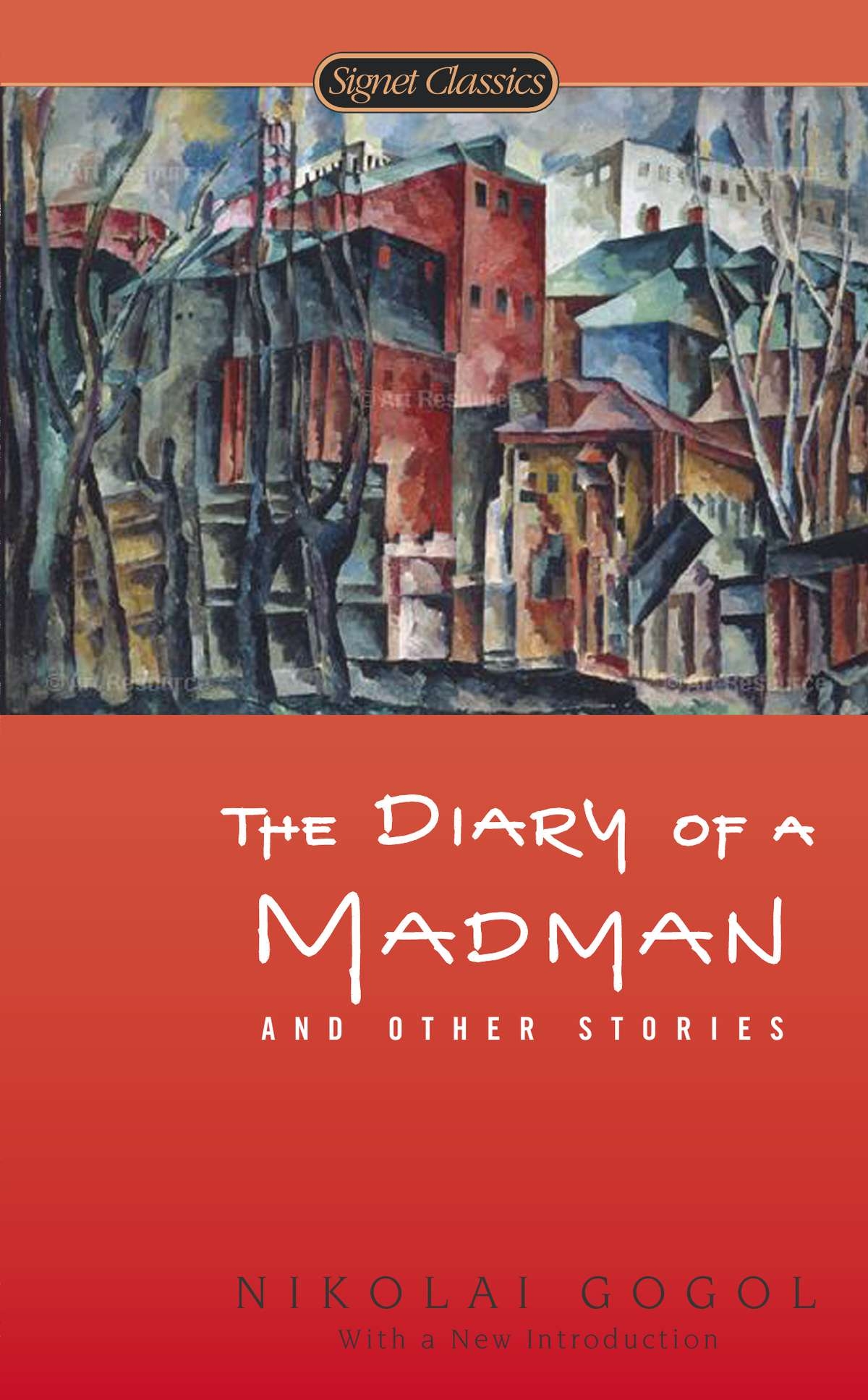
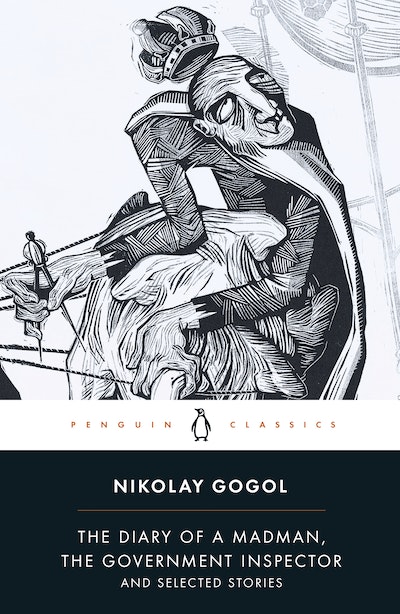
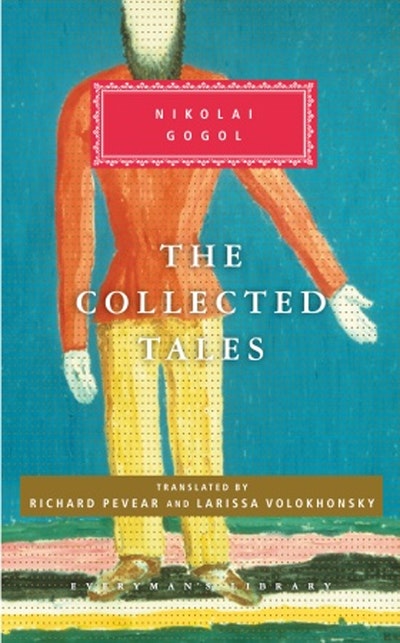
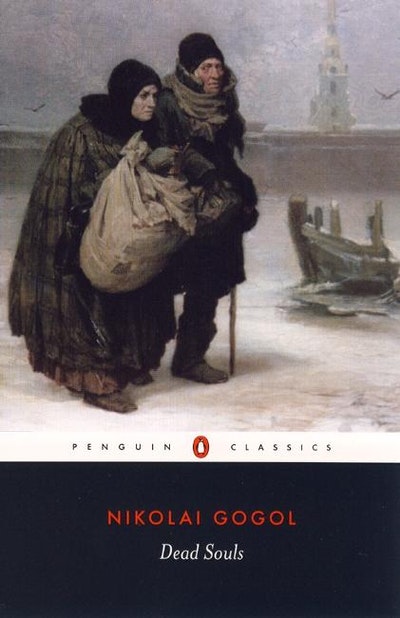
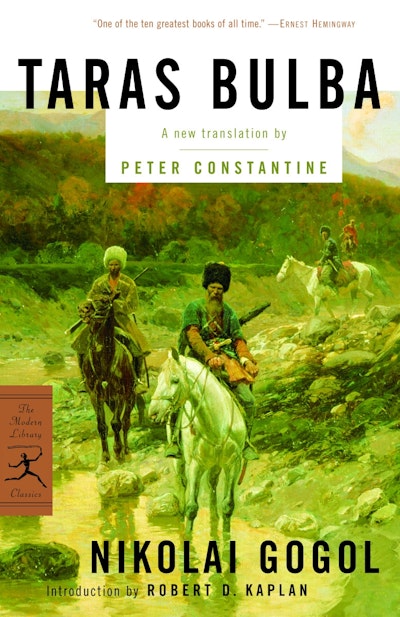
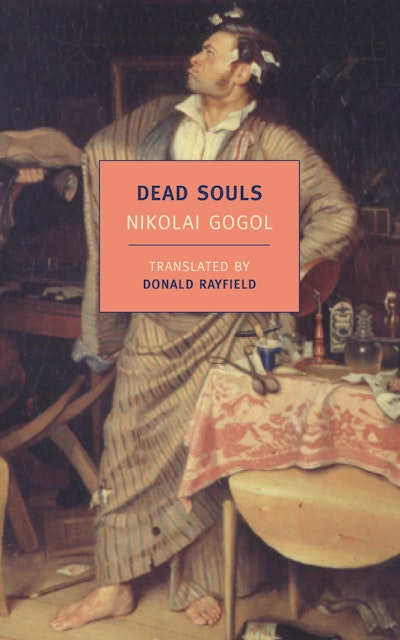
Some call him a Russian Mark Twain. And with his special blend of comedy, social commentary, and fantasy, Nikolai Gogol paved the way for his countrymen Tolstoy and Dostoyevsky. This sampling of Gogol’s works includes the increasingly fantastic entries of “The Diary of a Madman,” followed by the wonderfully surrealistic “The Nose,” in which the title character embarks on some unlikely activities when separated from its owner’s face. In “The Carriage,” a pompous landowner gets his comeuppance when he attempts to impress a general. Rounding out the collection are the woefully comic tale of a clerk’s acquisition of “The Overcoat” and the celebrated novella “Taras Bulba” about the Ukrainian mythic hero said to have led a bloody Cossack revolt against the Poles.
Translated by Priscilla Meyer and Andrew R. McAndrew
Nikolai Vasilevich Gogol was born in 1809; his family were small gentry of Ukrainian cossack extraction, and his father was the author of a number of plays based on Ukrainian popular tales. He attended school in Nézhin and gained a reputation for his theatrical abilities. He went to St Petersburg in 1829 and with the help of a friend gained a post in one of the government ministries. Gogol was introduced to Zhukovsky, the romantic poet, and to Pushkin, and with the publication of Evenings on a Farm near Dikanka (1831) he had an entrée to all the leading literary salons. He even managed for a short period to be Professor of History at the University of St. Petersburg (1834-5).
Diary of a Madman and The Story of the Quarrel between Ivan Ivanovich and Ivan Nikiforovich appeared in 1934, The Nose in 1836, and The Overcoat in 1842. Gogol also wrote the play The Inspector (1836), Dead Souls (1842), and several moralizing essays defending the Tsarist regime, to the horror of his liberal and radical friends. He lived a great deal abroad, mostly in Rome, and in his last years became increasingly prey to religious mania and despair. He made a pilgrimage to Jerusalem in 1848, but was bitterly disappointed in the lack of feeling that the journey kindled. He returned to Russia and fell under the influence of a spiritual director who told him to destroy his writings as they were sinful. He burned the second part of Dead Souls, and died in 1852 after subjecting himself to a severe regime of fasting.