> Skip to content
[]
  • Published: 18 December 2007
  • ISBN: 9780307428295
  • Imprint: RH US eBook Adult
  • Format: EBook
  • Pages: 600

The Complete Short Novels


(Book Jacket Status: Jacketed)


Aanton Chekhov, widely hailed as the supreme master of the short story, also wrote five works long enough to be called short novels–here brought together in one volume for the first time, in a masterly new translation by the award-winning translators Richard Pevear and Larissa Volokhonsky.


The Steppe–the most lyrical of the five–is an account of a nine-year-old boy’s frightening journey by wagon train across the steppe of southern Russia. The Duel sets two decadent figures–a fanatical rationalist and a man of literary sensibility–on a collision course that ends in a series of surprising reversals. In The Story of an Unknown Man, a political radical spying on an important official by serving as valet to his son gradually discovers that his own terminal illness has changed his long-held priorities in startling ways. Three Years recounts a complex series of ironies in the personal life of a rich but passive Moscow merchant. In My Life, a man renounces wealth and social position for a life of manual labor.


The resulting conflict between the moral simplicity of his ideals and the complex realities of human nature culminates in a brief apocalyptic vision that is unique in Chekhov’s work.

  • Published: 18 December 2007
  • ISBN: 9780307428295
  • Imprint: RH US eBook Adult
  • Format: EBook
  • Pages: 600

About the authors

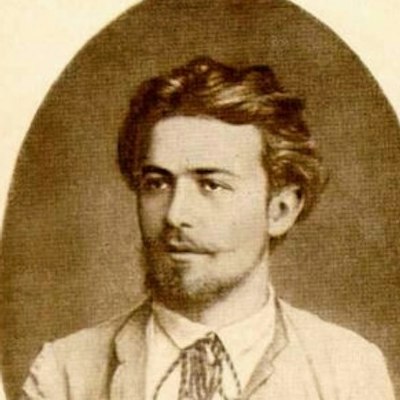
Anton Chekhov

ANTON CHEKHOV (1860–1904) is regarded as one of the world’s masters of the short story. The son of a hapless shopkeeper and grandson of a former serf, Chekhov began at the age of twenty to support his family through the publication of magazine pieces. The writing of these short works—many of which were collected in English for the first time in Seven Stories’ Undiscovered Chekhov and Little Apples—served as the author’s apprenticeship in literature, which was undertaken simultaneously with his studies to become a doctor. Both of these educations would leave their mark on the rising author. By the 1890s Chekhov had moved on to weightier journals, and he had drifted away from the practice of medicine; but his work would always be characterized by the copywriter’s vividness and the sober exactitude of a scientist. In an age of literary aristocrats, Chekhov did as much as any modern writer to democratize the profession. He used his talent to examine the lives of street urchins, déclassé provincials and frustrated reformers. By the time of his death from tuberculosis in 1904, all Russia and much of the world had taken heed of his credo: “For chemists there is nothing unclean on the earth. The writer must be as objective as the chemist.”

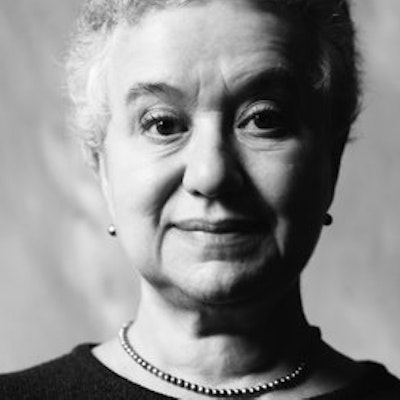
Larissa Volokhonsky

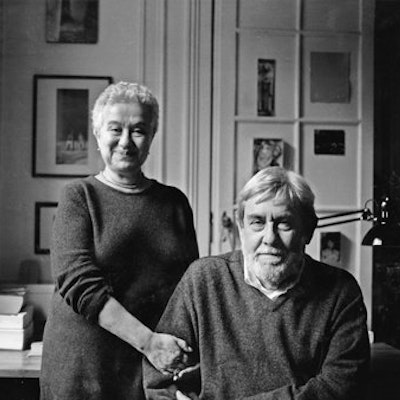
Together, LARISSA VOLOKHONSKY and RICHARD PEVEAR have translated works by Chekhov, Dostoevsky, Tolstoy, Gogol, Bulgakov, Leskov, and Pasternak. They were twice awarded the PEN/Book-of-the-Month Club Translation Prize (for Dostoevsky's The Brothers Karamazov and Tolstoy's Anna Karenina). They are married and live in France.

Richard Pevear

Together, RICHARD PEVEAR and LARISSA VOLOKHONSKY have translated works by Chekhov, Dostoevsky, Tolstoy, Gogol, Bulgakov, Leskov, and Pasternak. They were twice awarded the PEN/Book-of-the-Month Club Translation Prize (for Dostoevsky's The Brothers Karamazov and Tolstoy's Anna Karenina). They are married and live in France.