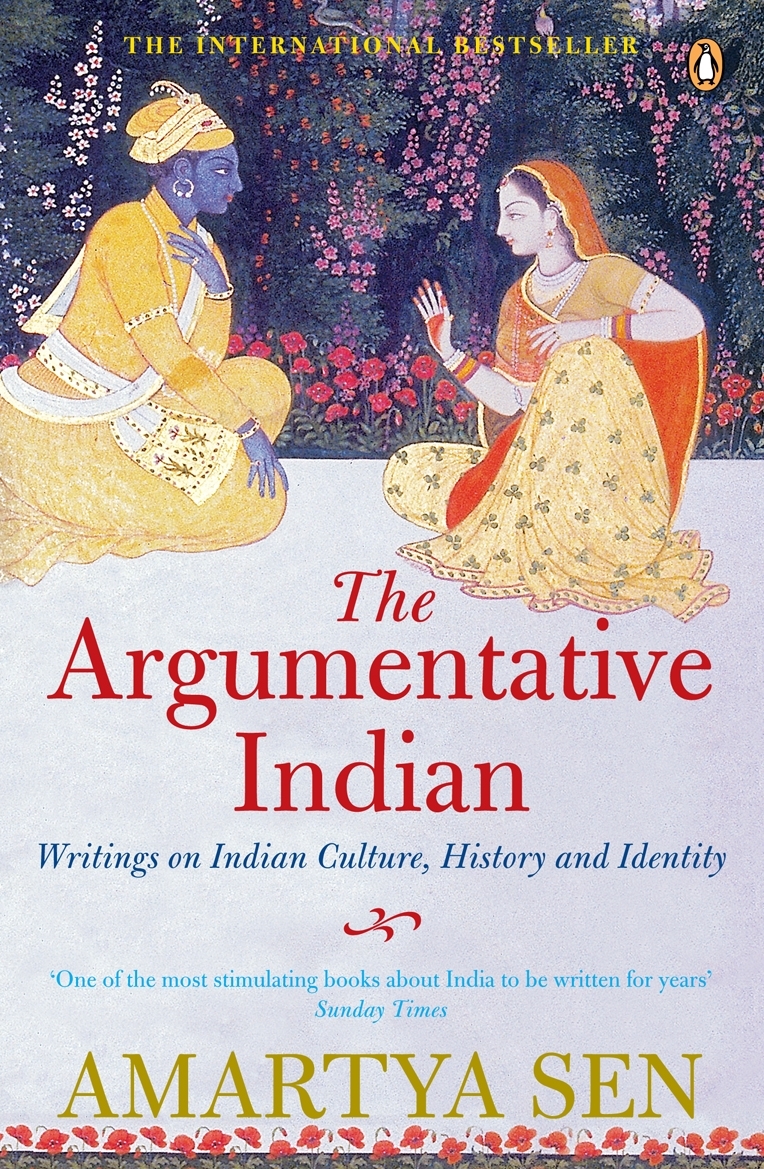
The most important book published about India for many years, and a No. 1 bestseller in India. Staggering reception, including:
India is a very diverse country with many distinct pursuits, vastly different convictions, widely divergent customs, and a veritable feast of viewpoints. The Argumentative Indian brings together an illuminating selection of writings from Nobel prize-winning economist Amartya Sen that outline the need to understand contemporary India in the light of its long argumentative tradition.
The understanding and use of this rich argumentative tradition are critically important, Sen argues, for the success of India's democracy, the defence of its secular politics, the removal of inequalities related to class, caste, gender and community, and the pursuit of sub-continental peace.
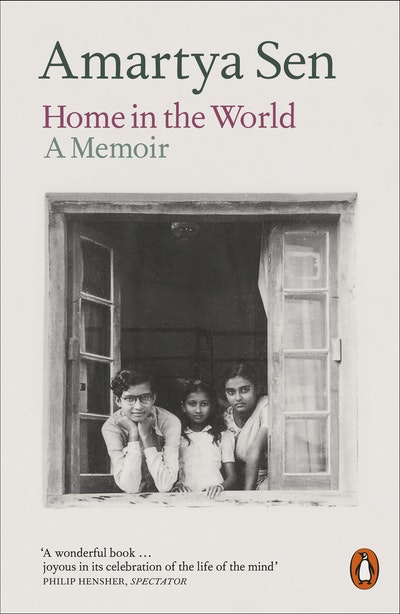
Amartya Sen is Professor of Economics and Professor of Philosophy at Harvard. He was Master of Trinity College, Cambridge, from 1998 to 2004, and won the Nobel Prize in Economics in 1998. His many celebrated books include Collective Choice and Social Welfare (1970), Development as Freedom (1999), The Argumentative Indian (2005), Identity and Violence (2007), The Idea of Justice (2010), and Home in the World (2021). They have been translated into more than 40 languages.
Sen has served as the President of the American Economic Association, the Indian Economic Association, the International Economic Association, and the Econometric Society. He is a recipient of India’s highest civilian award, the Bharat Ratna, and a Commandeur de la Légion d'Honneur in France. He is also the recipient of the National Humanities Medal of the United States, awarded by President Obama.