Robert Graves's gripping, vigorous retelling of The Iliad takes a revered classic back to its roots as popular entertainment
War is raging between the Greeks and the Trojans. Achilles, the great warrior champion of the Greek army, is angrily sulking in his tent and refusing to fight, after a row with his leader Agamemnon. But when the Trojan king Hector kills Achilles’ beloved friend, he plunges back into the battle to seek his bloody revenge – even though he knows it will bring about his own doom.
Robert Graves’s gripping, vigorous retelling of The Iliad portrays quarrelling kings and tarnished heroes, who leave suffering women behind them and are watched over by capricious gods and goddesses. It takes a revered classic back to its roots as popular entertainment.
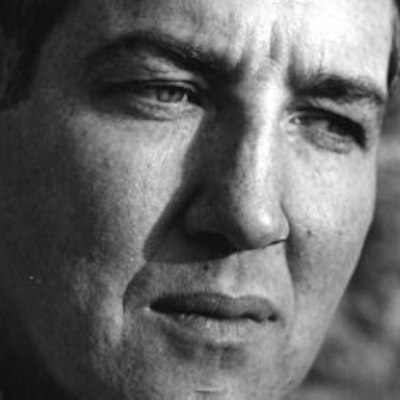
ROBERT GRAVES (1895–1985) was a preeminent English poet, novelist, critic, translator, and scholar of classical mythology. He served in World War I—an experience recounted in his 1929 autobiography, Good-Bye to All That —and later became the first professor of English literature at the University of Cairo. Best remembered today for his acclaimed historical novels about the Roman emperor Claudius, I, Claudius and Claudius the God, his other books include Count Belisarius, Lawrence and the Arabs, They Hanged My Saintly Billy, Homer's Daughter, The Golden Fleece, The Siege and Fall of Troy, Ann at Highwood Hall, The White Goddess, The Hebrew Myths, and Collected Poems. He is also the co-author of The Reader Over Your Shoulder: A Handbook for Writers of English Prose.
Related titles
Our top books, exclusive content and competitions. Straight to your inbox.
Thank you! Please check your inbox and confirm your email address to finish signing up.