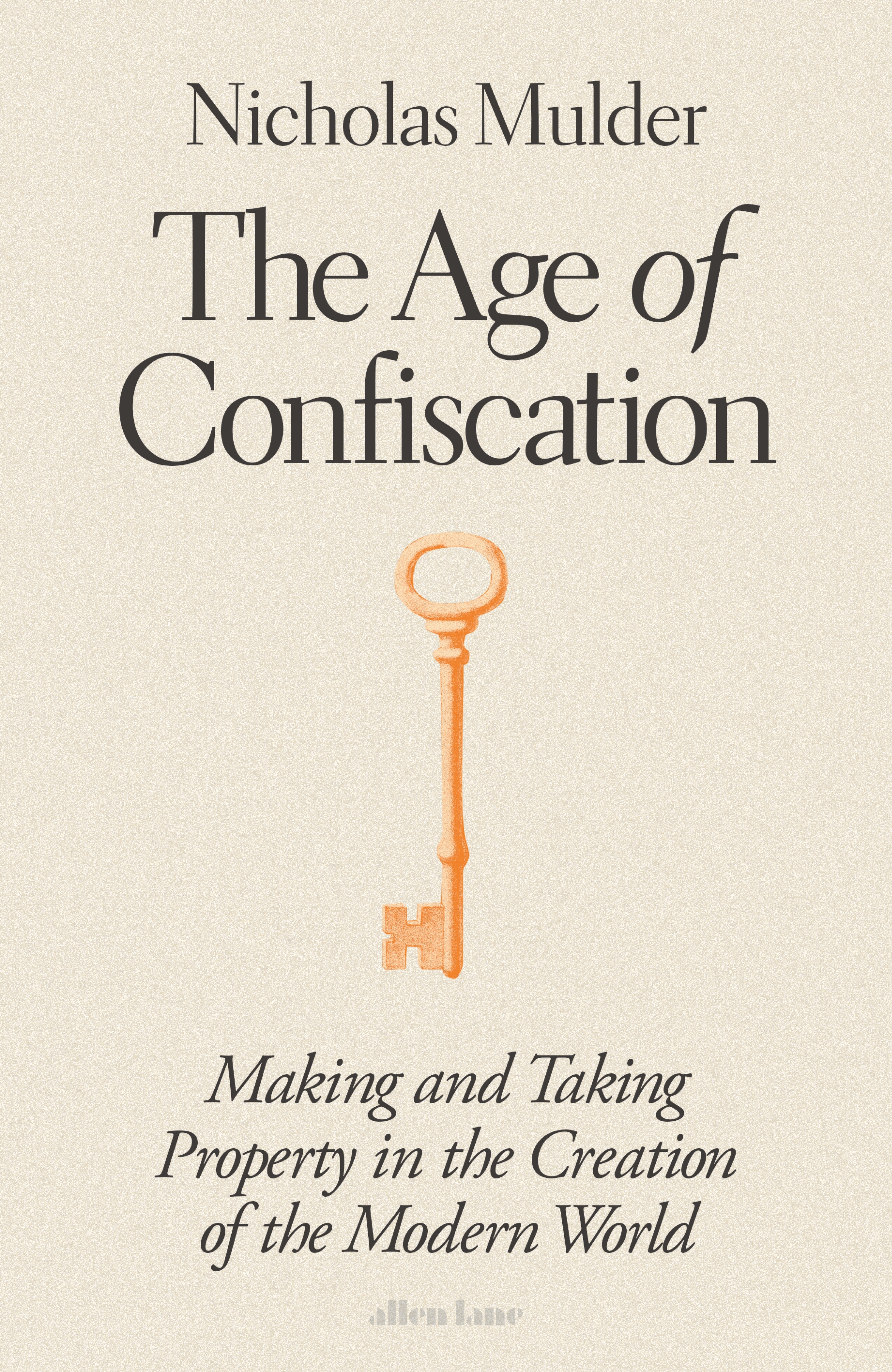
- Published: 2 February 2027
- ISBN: 9780241582718
- Imprint: Allen Lane
- Format: Hardback
- Pages: 768
- RRP: $85.00
The Age of Confiscation
Making and Taking Property in the Creation of the Modern World




- Published: 2 February 2027
- ISBN: 9780241582718
- Imprint: Allen Lane
- Format: Hardback
- Pages: 768
- RRP: $85.00
About the author

Nicholas Mulder shows us that the modern world is largely about the codification of property rights - but it is also about large redistributions of wealth. A major lesson for the age of climate catastrophes, a must-read
Thomas Piketty
Mulder's illuminating study challenges one of capitalism's most enduring narratives: that private property exists apart from state intervention. He reveals expropriation as a central instrument of modern governance, showing how private owners have not only survived but often profited from the very processes that transformed their property
Clara Mattei
Confiscation is back with a bang. Trump demands government shares in business, centrists want to blow up local opposition to development, and the left dreams of remaking the economy. Nicholas Mulder explains with verve and intelligence that property rights were never as solid as they seemed, and sets the scene for what happens next
Henry Farrell
Nicholas Mulder flips the economic history of the last 250 years on its head. A jaw dropping accomplishment
Quinn Slobodian
A revelatory global history of struggle between rulers and subjects over who owns what
Kirkus
Mulder’s gift for lucid synthesis makes it a pleasure to read
Erik Linstrum, Literary Review
A piercing examination of a bedrock mechanism of modern society
Publishers Weekly
Mulder's provocative tour de force beckons readers interested in understanding not only the history but also the implications for the present and future of coercive transfers of property
Library Journal