- Published: 8 September 2026
- ISBN: 9780807024430
- Imprint: Beacon Press
- Format: Paperback
- Pages: 352
- RRP: $42.99
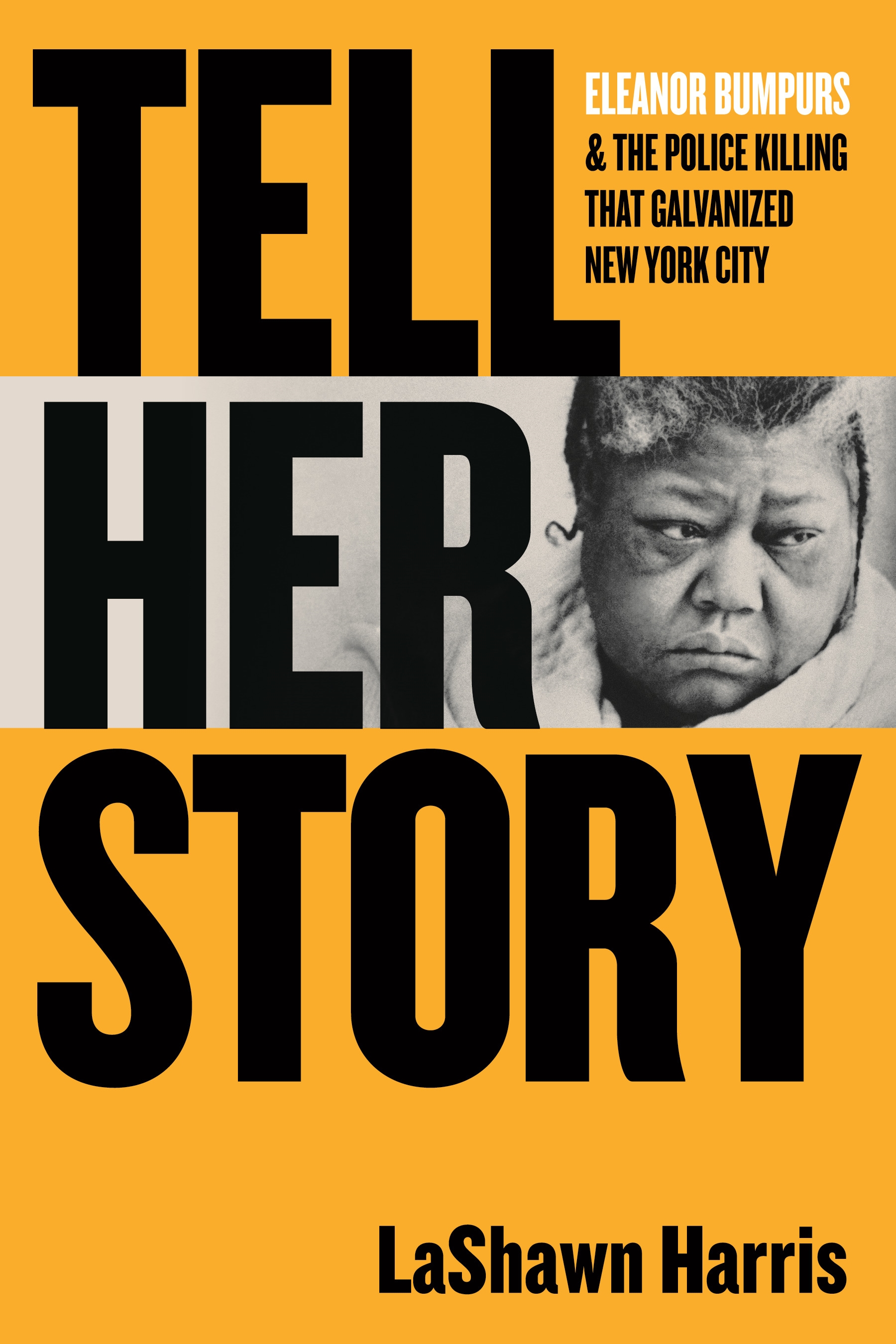
Tell Her Story
Eleanor Bumpurs & the Police Killing That Galvanized New York City


- Published: 8 September 2026
- ISBN: 9780807024430
- Imprint: Beacon Press
- Format: Paperback
- Pages: 352
- RRP: $42.99
"Harris's impeccably researched and elegantly written volume brings new visibility to this significant story." —Ms. Magazine"This immersive account from historian Harris revisits the 1984 police slaying of a disabled 66-year-old grandmother that led to massive public outcry. . .With a kaleidoscopic view of the shooting’s aftermath that draws on interviews, court proceedings, and national and international reactions, Harris paints the killing as a major turning point in American political consciousness, when Black activists and the public began to question police treatment of the disabled and mentally ill. The result is an elegantly written and riveting view of a pivotal but little-remembered political sea change." —Publishers Weekly (starred)
"The name Eleanor Bumpurs has come to symbolize intensifying police violence during the cruel 1980s. But LaShawn Harris’s poignant account lifts the veil of symbolism to reveal a life—complex, intimate, and often tragic—and a history of bureaucratic, state-sanctioned, and interpersonal violence, to which she was subjected her entire life. If we wish to dismantle the structures of racism, sexism, ableism, and capitalism that killed Eleanor Bumpurs and continue to take Black lives, we need to read this book and tell her story." — Robin D. G. Kelley, author of Freedom Dreams: The Black Radical Imagination
"This is the book we have waited so long for. Tell Her Story narrates one of the most important yet underreported stories of the 1980s: the brutal murder of Eleanor Bumpurs by New York City police. Bumpurs's killing animated the political and cultural landscape of Black New York, emphasizing the ways that poverty and social marginalization could make all Black people vulnerable to the violence of police. Tell Her Story demonstrates powerful storytelling along with a gripping historical rendition of the tumultuous transition between the hope of the civil rights era to the misguided projections of a presumed post-racial Obama era. The book also sheds new light and understanding about Reagan’s regressive 1980s and its impact on Black women and their families. It is an absolute must-read." — Keeanga-Yamahtta Taylor, author of Race for Profit: How Banks and the Real Estate Industry Undermined Black Homeownership