> Skip to content
[]
  • Published: 31 March 1999
  • ISBN: 9780440379843
  • Imprint: Bantam Dell
  • Format: Paperback
  • Pages: 512
  • RRP: $17.99

Six Great Modern Plays


Here are six plays that stand as landmarks of the modern drama:

Chekhov’s THREE SISTERS repeats, in terms of a handful of people, the spasms of a dying society.

Isben’s THE MASTER BUILDER is the tragedy of the modern romantic, caught between desire and reality.

Shaw’s MRS. WARREN’S PROFESSION shocked England and America; this play was the first honest attempt in our era to deal with prostitution. 

O’Casey’s RED ROSES FOR ME is about a Protestant worker of Dublin who is a symbol of the ravaging conflicts in Ireland—and in man.

Williams’s THE GLASS MENAGERIE is a tender, despairing portrait of two women, one lost in the past, the other in herself.

Miller’s ALL MY SONS is a biting though compassionate, indictment of success through moral betrayal.

We call these plays “modern.” But the they are high art, and are written with devotion to truth, and those two qualities have already made them timeless.

  • Published: 31 March 1999
  • ISBN: 9780440379843
  • Imprint: Bantam Dell
  • Format: Paperback
  • Pages: 512
  • RRP: $17.99

About the author

Anton Chekhov

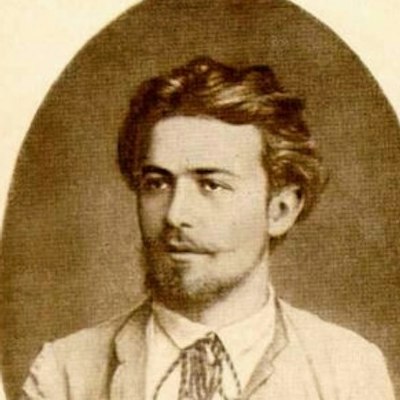
ANTON CHEKHOV (1860–1904) is regarded as one of the world’s masters of the short story. The son of a hapless shopkeeper and grandson of a former serf, Chekhov began at the age of twenty to support his family through the publication of magazine pieces. The writing of these short works—many of which were collected in English for the first time in Seven Stories’ Undiscovered Chekhov and Little Apples—served as the author’s apprenticeship in literature, which was undertaken simultaneously with his studies to become a doctor. Both of these educations would leave their mark on the rising author. By the 1890s Chekhov had moved on to weightier journals, and he had drifted away from the practice of medicine; but his work would always be characterized by the copywriter’s vividness and the sober exactitude of a scientist. In an age of literary aristocrats, Chekhov did as much as any modern writer to democratize the profession. He used his talent to examine the lives of street urchins, déclassé provincials and frustrated reformers. By the time of his death from tuberculosis in 1904, all Russia and much of the world had taken heed of his credo: “For chemists there is nothing unclean on the earth. The writer must be as objective as the chemist.”

Also by Anton Chekhov

See all