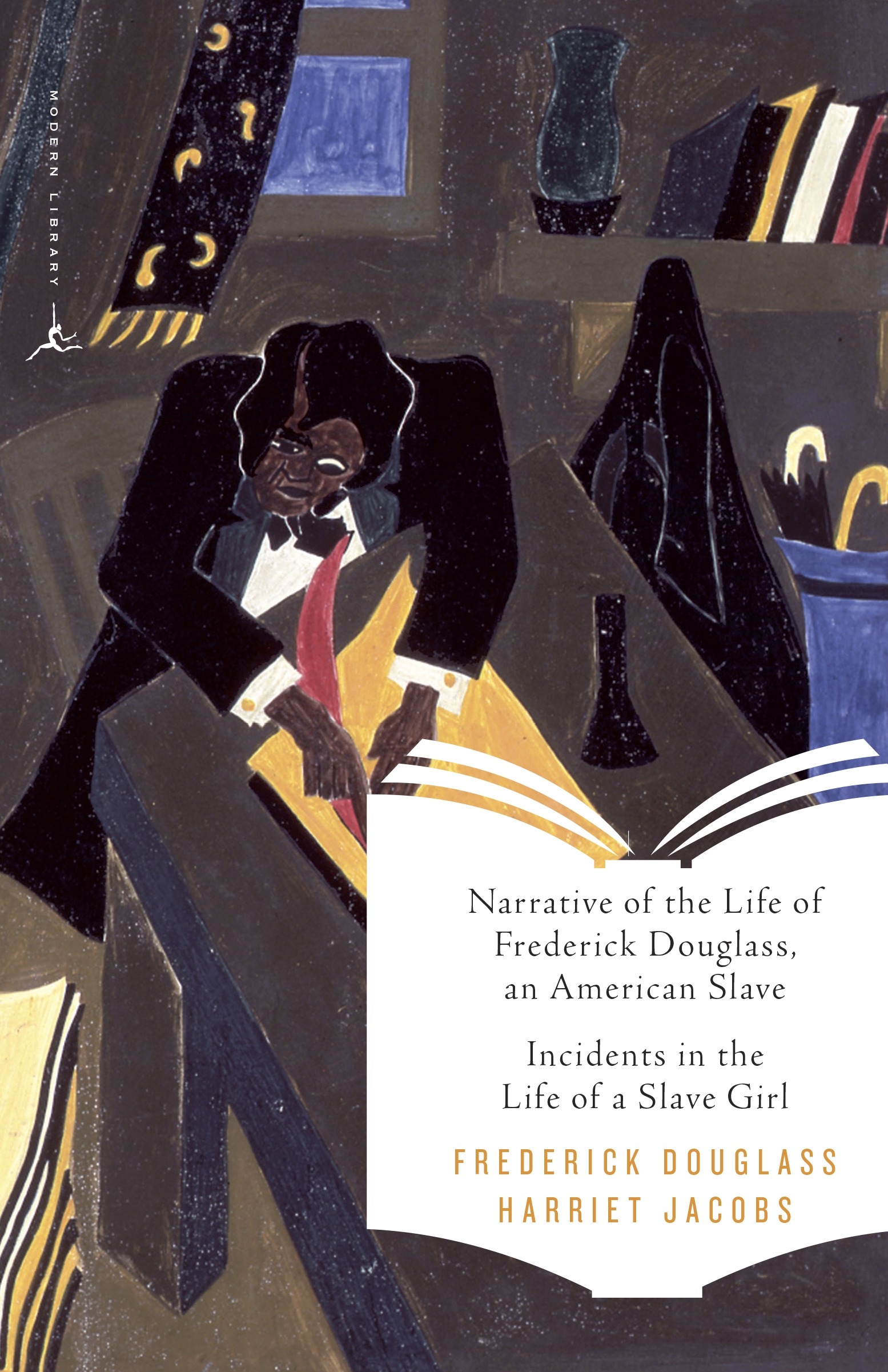
Introduction by Kwame Anthony Appiah Commentary by Jean Fagan Yellin and Margaret Fuller This Modern Library edition combines two of the most important African American slave narratives—crucial works that each illuminate and inform the other.
Frederick Douglass’s Narrative, first published in 1845, is an enlightening and incendiary text. Born into slavery, Douglass became the preeminent spokesman for his people during his life; his narrative is an unparalleled account of the dehumanizing effects of slavery and Douglass’s own triumph over it.
Like Douglass, Harriet Jacobs was born into slavery, and in 1861 she published Incidents in the Life of a Slave Girl, now recognized as the most comprehensive antebellum slave narrative written by a woman. Jacobs’s account broke the silence on the exploitation of African American female slaves, and it remains essential reading.
FREDERICK DOUGLASS was one of the foremost leaders
of the abolitionist movement, which fought to end slavery
within the United States in the decades prior to the Civil
War. When the American Anti-Slavery Society engaged him
on a tour of lectures, he became one of America's first great
black speakers. He won world fame with his first
autobiography, NARRATIVE OF THE LIFE OF
FREDERICK DOUGLAS (1845). Two years later he began
publishing an antislavery paper called the North Star.
Douglass served as an adviser to President Lincoln during
the Civil War and fought for the adoption of constitutional
amendments that guaranteed voting rights and other civil
liberties for blacks. He is still revered today for his fight
against racial injustice.
Related titles
Our top books, exclusive content and competitions. Straight to your inbox.
Thank you! Please check your inbox and confirm your email address to finish signing up.