
Tips for indoor plants, straight from Jamie Durie’s Living Design.
Indoor plants not only make our interior spaces more beautiful and stylish but also purify the air, improve productivity and reduce stress levels. Put simply, plants make people feel good.
Structured, architectural plants are a favourite of mine as they are like living sculptures. There are so many types of foliage to choose from – you are bound to find a shape, texture, habit and colour to suit your taste.
When you are selecting your indoor plants, key things to think about are how much sunlight your space receives and how much time and TLC you can give your plants. We are all juggling busy lives so we want maximum effect for the least amount of effort. In other words – low-maintenance plants.
House Plant Health
- To check whether there is enough light in the chosen spot, do a shadow test. Hold your hand against a piece of white paper; if your hand casts a shadow you have enough light for most house plants.
- Feed your house plants with slow-release fertiliser granules tucked under the mulch and remember to remove dust from the leaves regularly.
- Water house plants only when they need it. Most problems are due to over-watering. Just do the fingertip test to check whether soil is dry. If in doubt, it’s better not to water. You can also water using a spray bottle.
- All house plants should regularly spend some time outdoors if possible to stay healthy, but don’t leave them out in the direct sun or they may burn.
- Rotate your plants by a half-turn every two weeks to give them all equal exposure to the light.
Hanging plants
Thank goodness there is finally another option for hanging plants other than the dreary wire baskets lined with coconut fibre that our nanas had on their verandahs! Bless.
Hanging pot plants fill up superfluous space in the home, and planters are available in a variety of decorative shapes, materials and colours – everything from plants wrapped in moss and fluoro string, upside-down pots, jelly mould shapes, ceramic vessels in stunning glazes and patterns to my personal favourites, macramé single, double and triple tier pot-holders that come in natural twines as well as jewel-coloured rope. Some air plants or epiphytes (right) don’t even need to be contained, they can be freely suspended anywhere.
For most of us living in the city, where every centimetre matters, hanging plants allow you to fill your home with beautiful, oxygen-giving living things, and also to maximise visual impact without losing precious living space.
Planter Points
- Make sure that whatever you hang your planter from can support the weight of pot, plant and soil. Remember that wet soil can be heavy when you add it to the weight of the plant plus the pot. Choose a lightweight potting soil mix.
- Don’t fill your pot right up to the edge with soil because when you water, your loose soil is likely to drip over the edge of the pot. Make sure the soil is a couple of centimetres below the top lip of the pot.
- If you’ve planted straight into the pot, check that it has drainage holes and either attach a saucer to the bottom or take the plants down when you water them to protect your floors. Or, to solve this problem, just place your pot plant into the hanging planter without planting directly into it.
Photograph: Jamie Durie © JPD Media + Design

In Living Design, Jamie Durie explains a fundamental aspect of his design philosophy.

Penguin Random House (PRH) has been made aware of people impersonating our authors, including Richard Flanagan, and contacting members of the public by email or through social media.
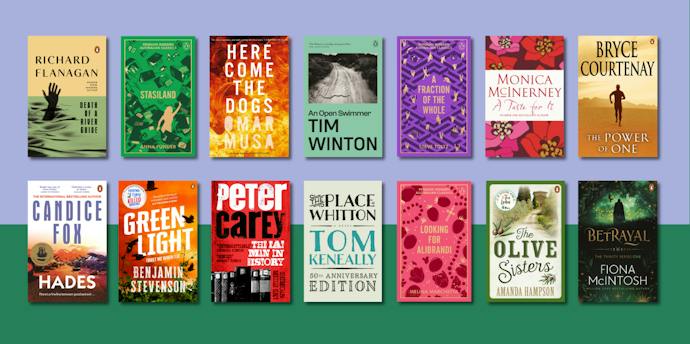
Every great author must start their story somewhere.
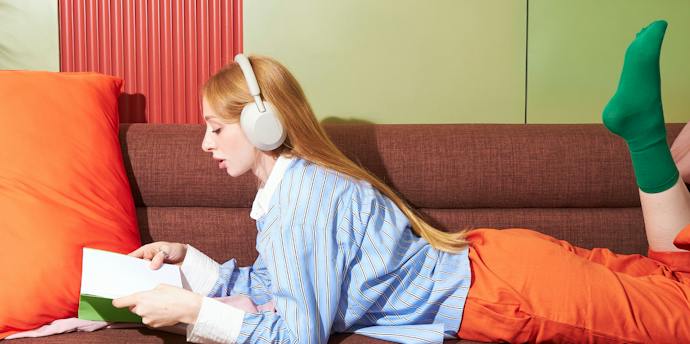
Both audiobooks and paperback books offer different ways to experience a story, each with its own distinct benefits.
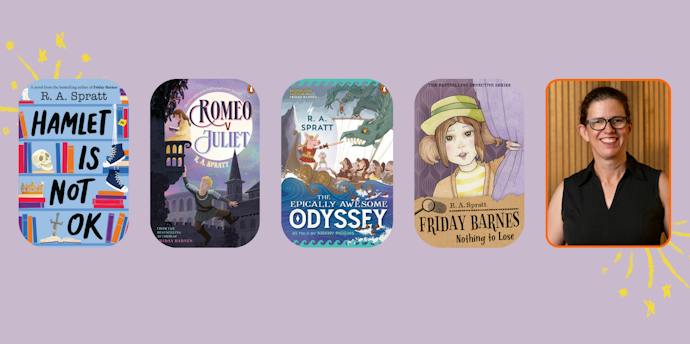
October is Dyslexia Awareness Month, a time to build greater awareness and understanding of dyslexia and the different ways people experience reading. Author R. A. Spratt shares some of the techniques she uses to make her books more accessible for dyslexic readers, along with practical reading and writing tips drawn from her own experience.
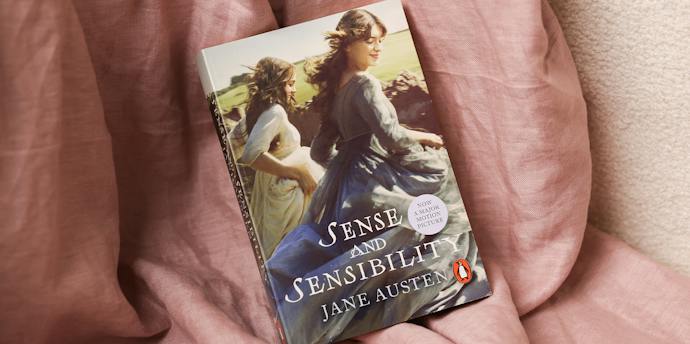
The Dashwood sisters return to the big screen in a new Sense and Sensibility adaptation starring Daisy Edgar-Jones and Esmé Creed-Miles.
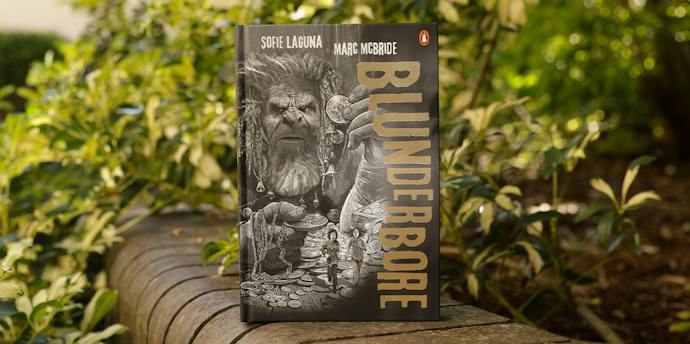
This is Jack and the Beanstalk like you’ve never seen it before! An exciting action-packed graphic adventure story set in the world of Jack in the Beanstalk. From award-winning author Sofie Laguna and monster-illustrator extraordinaire, Marc McBride.
Your unique spark determines which Fiercer will choose you, and which Gard you will belong to!
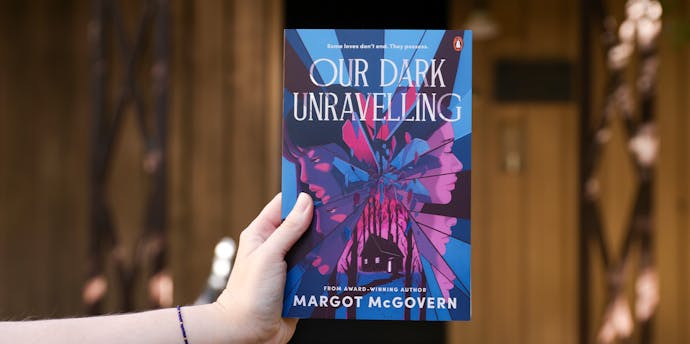
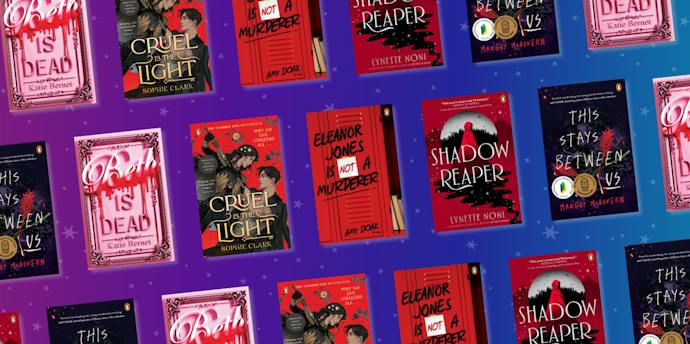
Margot McGovern’s Our Dark Unravelling is the must-read YA horror thriller for 2026.
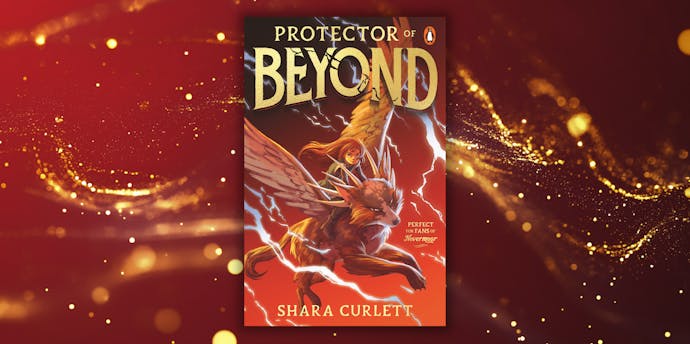
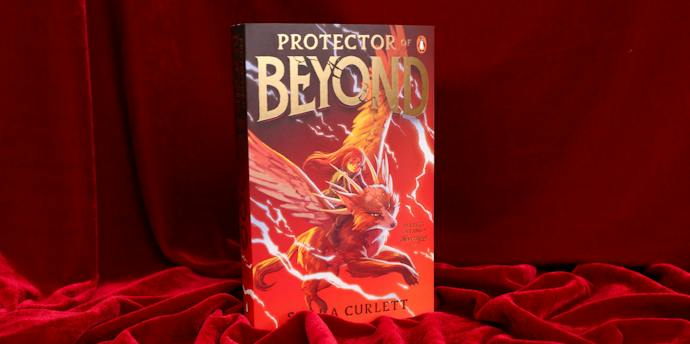
Magical creatures, perilous trials and one unbelievable adventure await in Protector of Beyond, the first book in a gripping new fantasy book series from exciting new voice Shara Curlett.