> Skip to content
[]
  • Published: 1 July 2010
  • ISBN: 9781407074689
  • Imprint: Vintage Digital
  • Format: EBook
  • Pages: 304

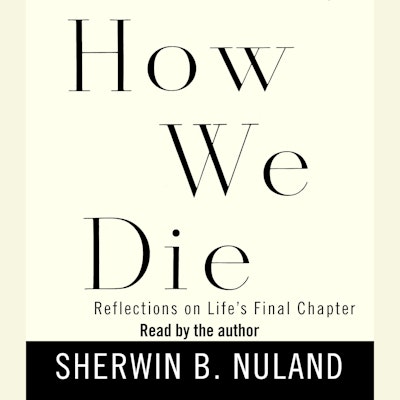
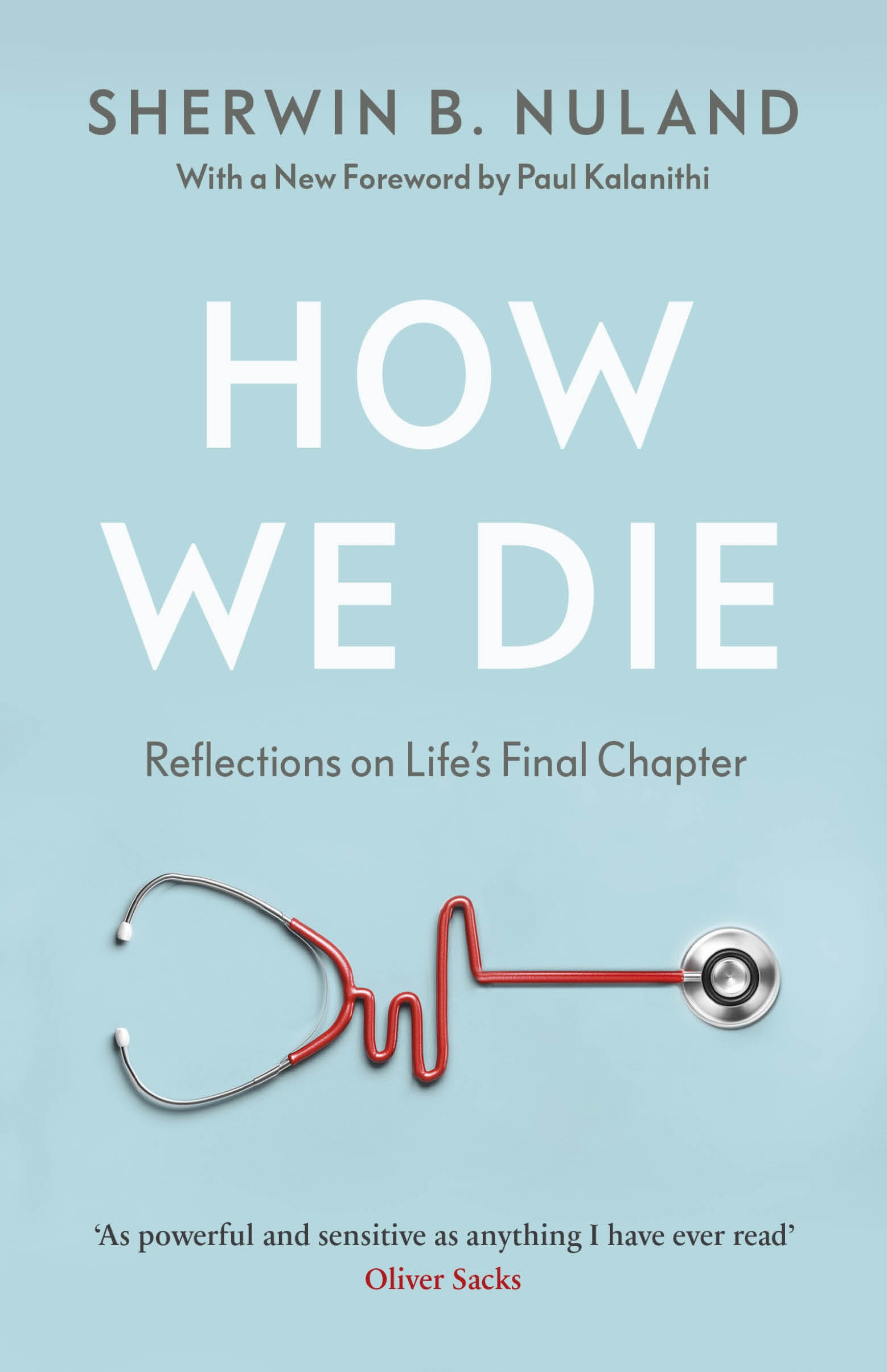
How We Die


Reissued to coincide with the 25th anniversary of first publication - now with a foreword from Paul Kalanithi, author of When Breath Becomes Air


What happens to us as we die? Discover the answers in this exclusive 25th anniversary edition of Sherwin B Nuland’s seminal book

With a foreword by Paul Kalanithi, bestselling author of When Breath Becomes Air.

There are many books intended to help people deal with the trauma of bereavement, but few which explore the reality of death itself. Sherwin B. Nuland - with over thirty years' experience as a surgeon - explains in detail the processes which take place in the body and strips away many illusions about death. The result is a unique and compelling book, addressing the one final fact that all of us must confront.

'I don't know of any writer or scientist who has shown us the face of death as clearly, honestly and compassionately as Sherwin Nuland does here' James Gleick, author of Chaos

  • Published: 1 July 2010
  • ISBN: 9781407074689
  • Imprint: Vintage Digital
  • Format: EBook
  • Pages: 304

About the author

Sherwin B. Nuland

Sherwin B. NulandM.D., is the author of nine previous books, including Doctors: The Biography of MedicineThe Wisdom of the BodyThe Mysteries Within, Lost in America: A Journey with My Father, and The Doctors’ Plague. His book How We Die: Reflections on Life’s Final Chapter won the National Book Award and spent thirty-four weeks on the New York Times best-seller list. His writing has appeared in The New YorkerThe New RepublicThe New York TimesTime, and The New York Review of Books. Nuland was a clinical professor of surgery at Yale University, where he also teaches bioethics and medical history. He lived with his family in Connecticut. He died in 2014.

Also by Sherwin B. Nuland

See all

Praise for How We Die

How We Die is a classic of medical writing. It’s at once scientific and accessible, precise and philosophical, elegant and blunt. Sherwin Nuland introduced a new kind of writing with this book, and his insights sparkle as much now as they did twenty-five years ago. They address not only how we die, but also how we can live.

Andrew Solomon

How We Die teaches and gives us the courage to come to terms with our own death. As difficult as the facts may be, it shows us they are less frightening than our imagination. It is a book that should be read by all.

Julia Samuel, author of Grief Works