> Skip to content
[]
Play sample
  • Published: 12 November 2024
  • ISBN: 9781529943924
  • Imprint: Ebury Digital
  • Format: Audio Download
  • RRP: $36.99

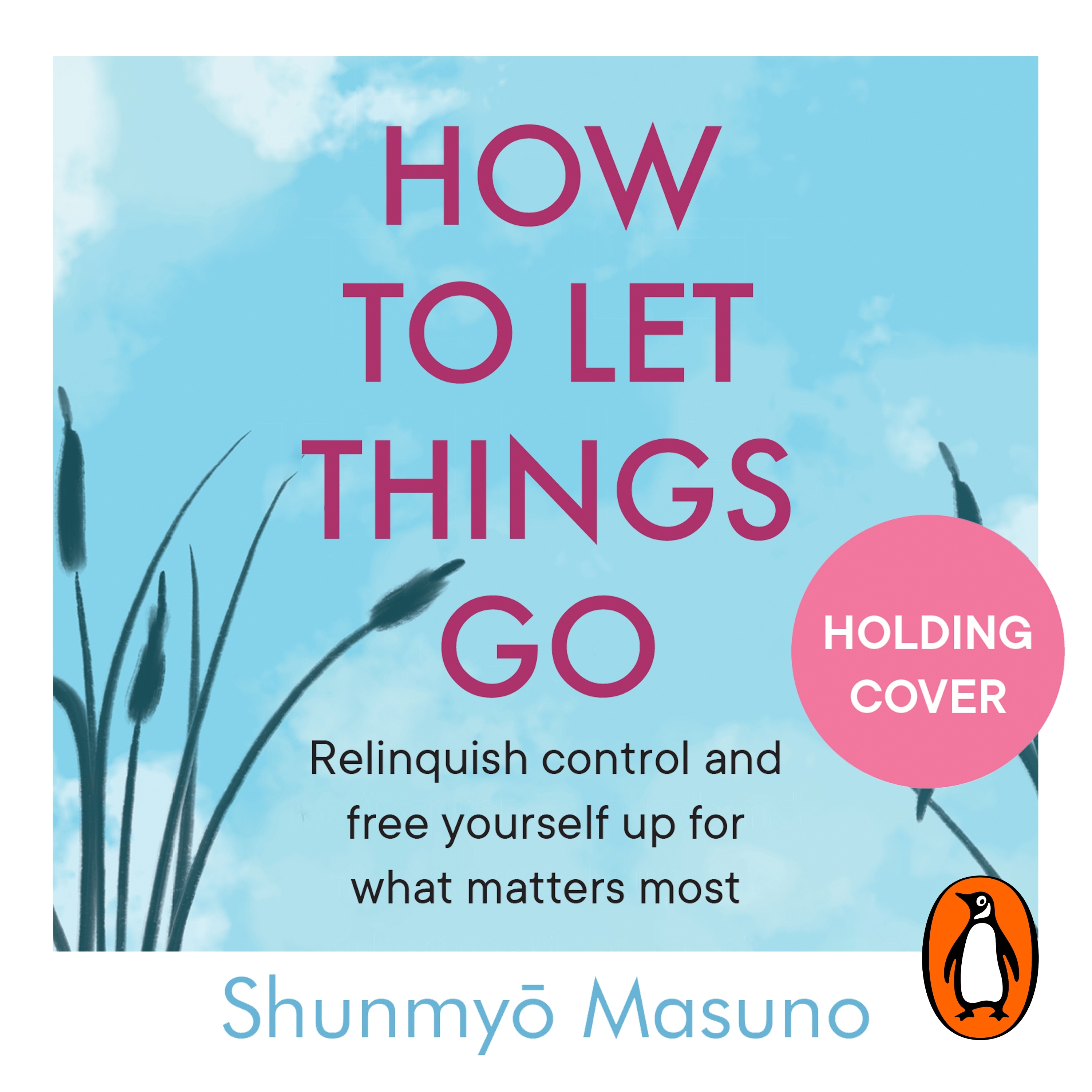
How to Let Things Go

Free yourself up for what matters most


From the Zen Buddhist author of international bestsellers The Art of Simple Living and Don’t Worry, this beautiful and calming book teaches us the most important lesson of all, how to let go.

Step away from life’s mounting pressures and free yourself up for what matters most.

Amid the relentless cycle of news, social media, emails, and texts, it can be hard to know when, if ever, we can step away. Renowned monk Shunmyo Masuno offers us a radical message: we can leave it all be. HOW TO LET THINGS GO teaches us how to:

  • Lesson #15: remember that social media is a tool and nothing more
  • Lesson #40: think of letting things go not as throwing them away, but setting them free
  • Lesson #90: take more breaks the busier you become

With these and 96 other practical tips, we can abandon the futile pursuit of controlling everything in our lives and unlock the key to a calmer and more fulfilling life.

  • Published: 12 November 2024
  • ISBN: 9781529943924
  • Imprint: Ebury Digital
  • Format: Audio Download
  • RRP: $36.99

About the author

Shunmyo Masuno

Shunmyo Masuno, the head priest of a 450 year old Zen Buddhist temple in Japan, is the author of the international bestsellers, Don’t Worry and The Art of Simple Living, as well as being an award-winning Zen garden designer for clients around the world. He is a Professor of Environmental Design at one of Japan’s leading art schools and has lectured widely, including at the Harvard Graduate School of Design, Cornell University, and Brown University.

Also by Shunmyo Masuno

See all

Praise for How to Let Things Go

In Growing Up with Addiction, Tian Dayton offers a compassionate and insightful exploration of the intergenerational impact of relational trauma. By interweaving personal narrative, clinical wisdom, and embodied therapeutic practices, she creates a compelling bridge between lived experience and emerging neurobiology. Her willingness to share her own history adds rare authenticity, keeping the reader engaged on a deeply personal level. Just as importantly, her decades of clinical practice bring depth, clarity and grounded insight to complex emotional and relational dynamics. This book serves as both an accessible introduction and a valuable resource for anyone seeking to understand – and heal – the legacy of trauma in families.'

Stephen Porges, PhD, creator of Polyvagal Theory, author of The Polyvagal Theory and Safe and Sound