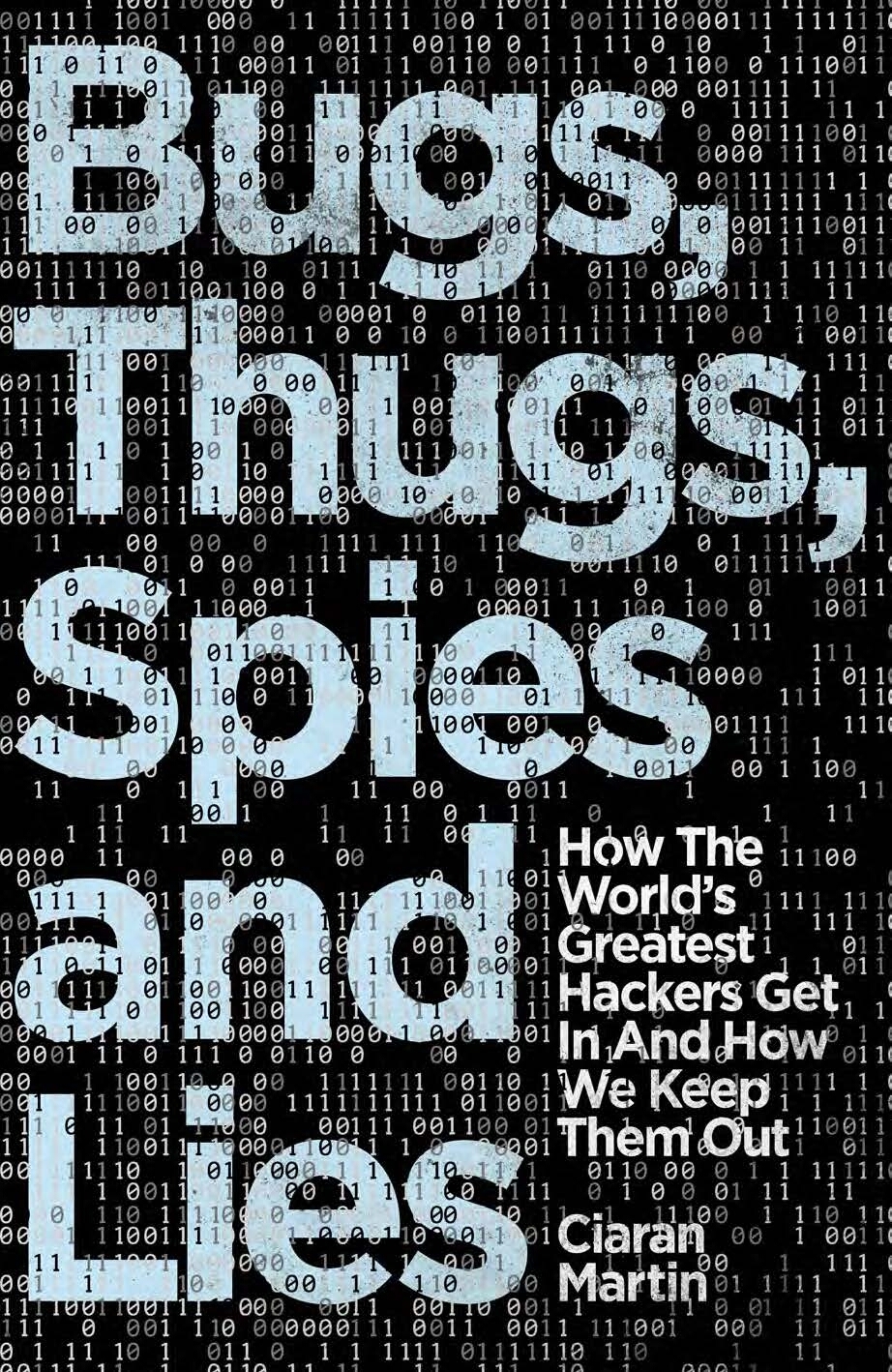
Every time our computers go down, so do we. We’ve become profoundly dependent on our technology, but the foundations of our digital world have always been built on sand.
These deep-rooted security weaknesses allow some of the most dangerous people in the world to take us for a ride.
Bugs are rampant viruses sweeping through our digital bloodstream.
Thugs are the rapacious global criminals living the high life off the ransom payments they extort and the fortunes they steal.
Spies are the hostile state actors stealing our sensitive information and booby-trapping our critical infrastructure.
Lies are the consistent campaigns of online disinformation, increasingly powered by AI, that seek to drain away the crucial trust that holds society together.
All are seeking to exploit errors and structural weaknesses in the software that holds modern life together, and these vulnerabilities demand a response before it’s too late. Every individual and organisation needs to know how to survive the growing onslaught of cyber attacks. But we have to fix the fundamental problems of cyber security too. This book sets out how we can, and why we must.