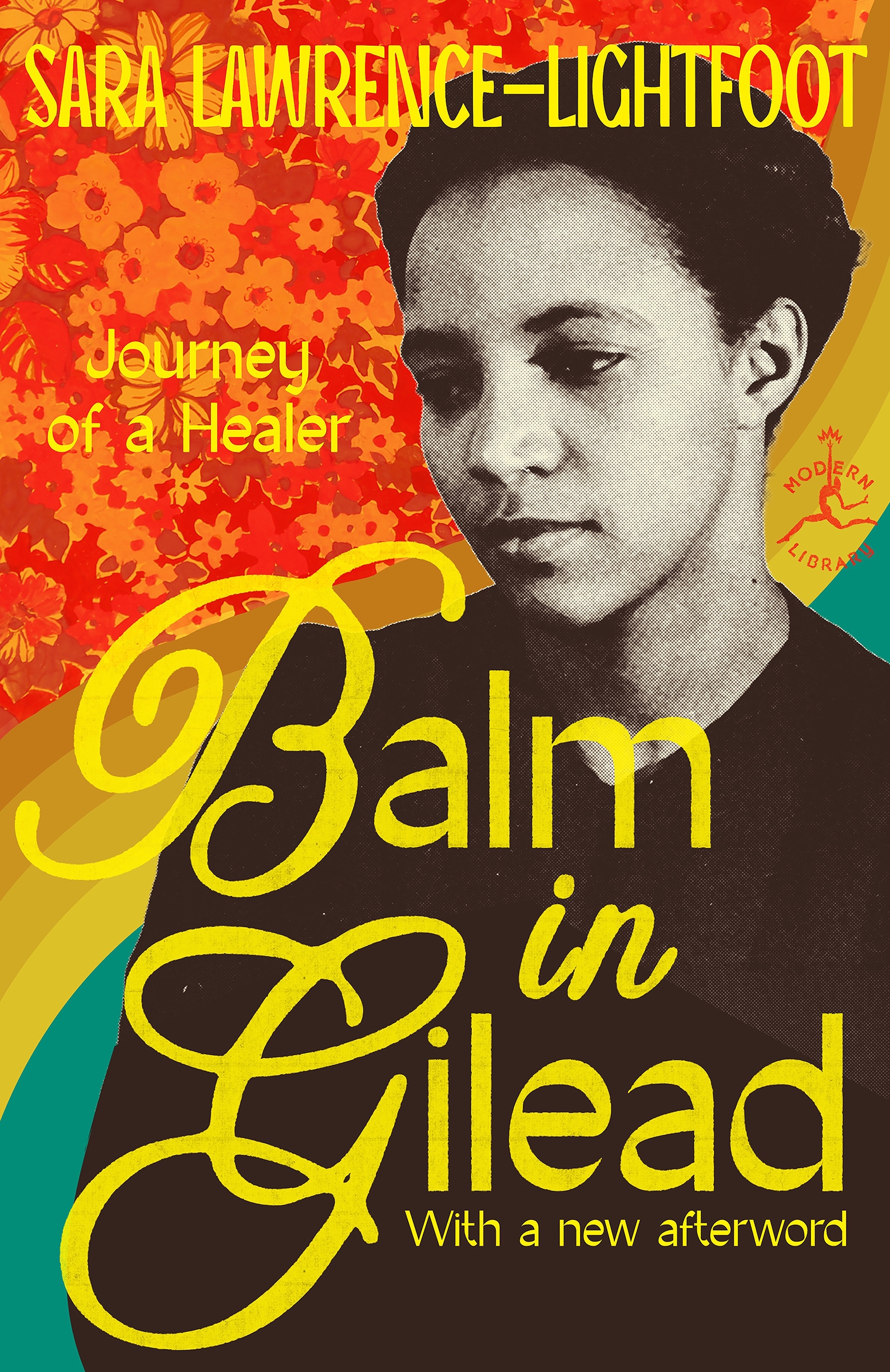
The intimate, extraordinary biography of Dr. Margaret Morgan Lawrence, America’s first Black female psychoanalyst—written by her own daughter and featuring a new afterword
Born in 1914 in New York City, raised in Vicksburg, Mississippi, Margaret was the only child of an Episcopal priest and a schoolteacher. With a singular ambition of becoming a doctor, Margaret traveled north to live in New York during the Harlem Renaissance and found herself under the strong influence of her maternal grandmother and aunts who were deeply skeptical of her dreams. Undeterred, she was admitted to Cornell on full scholarship, the only Black undergraduate on campus. Prohibited from living in the dorms, she worked as a maid in faculty homes and excelled in all her pre-medical courses.
While at home in Vicksburg on summer break, Margaret fell in love but was repeatedly warned that women can be wives or they can be doctors, but not both. In 1936, despite her excellent record of achievement, Cornell refused to admit her as a medical student. Despite this crushing setback, Margaret embarked on a romance that lasted half a century and was accepted into Columbia School of Medicine, their only Black student in 1936. After graduating from Columbia, she went on to become a mother and an activist, established a brilliant career as a child psychiatrist, serving families in Harlem for decades and becoming a model of resilience, wisdom, and empathy.
In 1988, Margaret’s daughter, celebrated Harvard sociologist Sara Lawrence-Lightfoot, documented her mother’s pioneering life with grace and conviction. Along the way, she also traced the legacy of three generations who had raised and shaped Margaret: generations of justice seeking, teaching and healing, resisting the indelible traumas of racism, oppression, and exclusion. Now, Lawrence-Lightfoot offers a new afterword illuminating the enduring legacy of Margaret’s life—a life of courage, love, and activism—bringing this essential biography back to light.