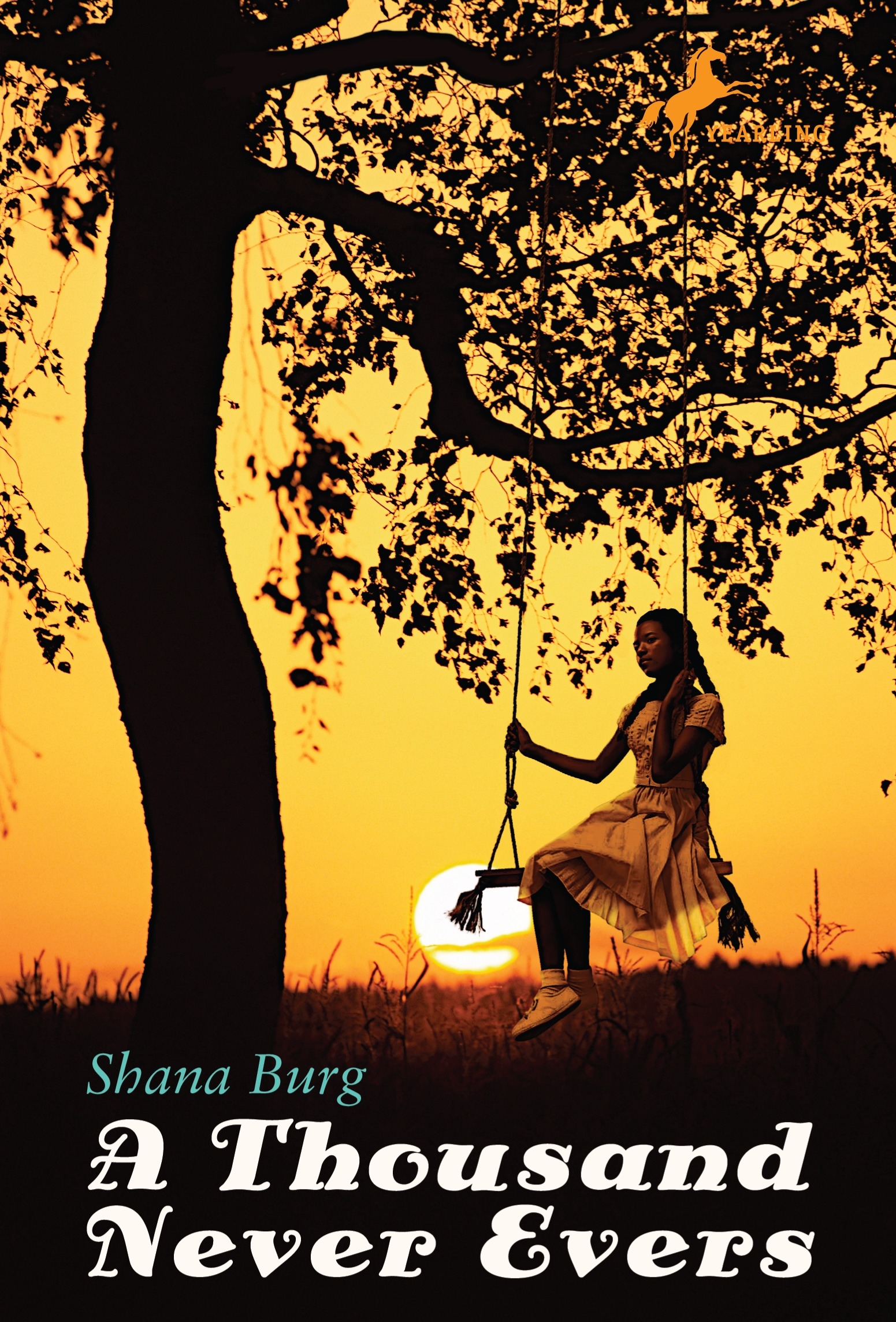
Set against the tumultuous backdrop of the Civil Rights Movement, A Thousand Never Evers takes its place next to great American historical novels such as Roll of Thunder, Hear My Cry by Mildred D. Taylor (Mississippi 1930s.) and The Watsons Go to Birmingham--1963. Shana Burg sets a new standard in literary historical fiction with this heartrending story of Addie Ann Pickett. Shana was inspired by her father's riveting accounts of his quest to end racial discrimination. She has continued to explore the modern legacy of the civil rights movement and the promise of social justice from coordinating community gardens in Mississippi, to teaching in one of our nation's most ethnically diverse public schools, and volunteer work in Africa and Central America.
IN KUCKACHOO, MISSISSIPPI, 1963, Addie Ann Pickett worships her brother Elias and follows in his footsteps by attending the black junior high school. But when her careless act leads to her brother’s disappearance and possible murder, Addie Ann, Mama, and Uncle Bump struggle with not knowing if he’s dead or alive. Then a good deed meant to unite Kuckachoo sets off a chain of explosive events. Addie Ann knows Old Man Adams left his land to the white and black people to plant a garden and reap its bounty together, but the mayor denies it. On garden picking day, Addie Ann’s family is sorely tested. Through tragedy, she finds the voice to lead a civil rights march all her own, and maybe change the future for her people.
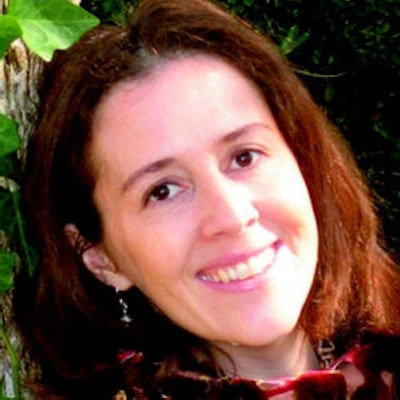
Shana Burg is a writer who lives in Austin, Texas. She started her first novel, A Thousand Never Evers, while teaching sixth grade in Massachusetts, and she hired her former students to critique the first draft. “Their advice was right on the money,” she says. Prior to teaching sixth grade, Shana worked on a Mississippi community nutrition project, and at Facing History and Ourselves, an educational nonprofit. Shana majored in English at the University of Pennsylvania, graduated with a Master in Public Policy from Harvard’s Kennedy School of Government, and received a Master of Arts in Teaching from Simmons College.
I was born in Birmingham, Alabama, in 1968. My parents had moved there from New York several years earlier so that my father could work as a lawyer in the civil rights movement. Although we moved to Massachusetts when I was still a baby, I grew up hearing amazing stories about the struggle for justice and equality. I remember my father talking about the segregated maternity wards in Birmingham, where white women could recover from childbirth in semi-private rooms with air conditioning, while black women were forced to recover in 16-bed wards in sweltering heat. It was stories like this that sparked my interest in the civil rights movement.
Some upsetting things happened during my middle and high school years that made me think a lot about discrimination and equality. For example, in high school social studies, we sat alphabetically by last name. It so happened that in my corner of the class were all Jews and an African American girl. My teacher called our corner “the ghetto.” He’d say, “Would someone in the ghetto like to answer this question?” And in gym class, during floor hockey games, boys shoved my close friend into the wall and whispered “Kike” in his ear.
In high school, as part of ninth-grade English, I took a class called Facing History and Ourselves. This course challenged me to see connections between events in history and the ethical choices I made each day. My teacher, Jan Darsa, actually talked about things that mattered: why friends turn on each other, why kids are afraid to stand up to bullies, and how easy it is to go along with the crowd. We talked about the Holocaust. And then we talked about how people throughout history have stood up and fought against injustice. That class had a big impact on me. (So much so that many years later, I went to work for the Facing History and Ourselves organization.)
Throughout my school years, I remained interested in human and civil rights. In college, during one spring break, my father brought my sister and me to Birmingham, Alabama, to meet his former law partner and his other friends from back in the 1960s. I remember driving by the Sixteenth Street Birmingham Baptist Church with a friend of my father’s. She told us she had been there the day it was bombed, and that one of her best friends, 11-year-old Denise McNair, had been killed. That really shook me to the core.
After college and graduate school, I got a job with a Mississippi community nutrition project. I was based in Boston, but spoke on the phone regularly with local residents of the Mississippi Delta. I had the opportunity to spend time in the Delta too. As someone who’d grown up in the Northeast, I was immediately grabbed by the warmth, friendliness, and good humor of the people I met there. And I was struck by the incredible poverty–poverty that I’d expect to see in a developing country. I was shocked that there were still segregated schools and towns divided between the black and white sides by railroad tracks running through the middle.
The more I learned about policy related to hunger, poverty, and education, the more I wanted to work directly with young people, so I decided to go back to school and get my degree in teaching. It was one of the best decisions I ever made. I love being in the classroom. Talk about an adventure! You never know what’s going to happen on any given day. Middle school students are so creative, hilarious, and real.
It was spring. I was teaching a unit on elements of fiction to my sixth graders. I read picture books to help them understand plot, character, theme, conflict, setting, etc. For homework each night, I’d give an assignment that would help them develop their own creative stories. One day, in the midst of this unit, my students and I had the opportunity to visit with the incredibly talented author David Almond. We’d read his book Skellig aloud. Now I’d always written short stories, poems, and newspaper articles–and I can’t tell you exactly what David Almond said that did it–but I left his talk completely fired up to start writing a book for my students.
That afternoon, as soon as I got home from school, I did the homework that I’d assigned my class. That’s when this 12-year-old African American girl popped in my head. She was sitting on the bank of the bayou, absolutely panic stricken. At the time, I didn’t know who she was, what year it was, or why this girl was so freaked out. I started free writing to find out. Eight years later, I finished A Thousand Never Evers. Now finally, I'm thrilled to say, I'm ready to share Addie Ann Pickett's story with the world.
"Set in rural Mississippi during the civil rights movement, this gripping first novel offers an up-close look at the racism and violence endured in an African-American community. References to significant historical events add authenticity and depth, while Addie Ann's frank, expertly modulated voice delivers an emotional wallop."--Publishers Weekly, Starred
"Burg offers a sensitive portrait of a young girl and her family, never letting the larger history of the civil-rights movement overwhelm the particulars of this one place in time. Addie Ann's story will help young readers realize that "You're never too young to speak up for justice and lead by your own example."--Kirkus
Our top books, exclusive content and competitions. Straight to your inbox.
Thank you! Please check your inbox and confirm your email address to finish signing up.