> Skip to content
[]
  • Published: 2 August 2007
  • ISBN: 9780141963969
  • Imprint: Penguin eBooks
  • Format: EBook
  • Pages: 128

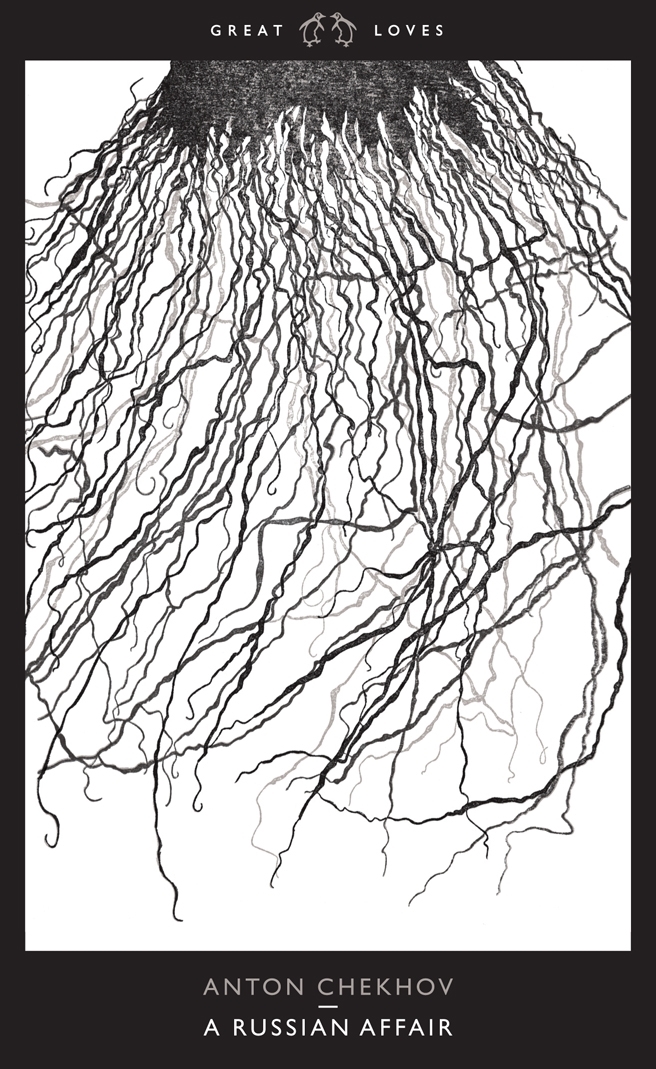
A Russian Affair


Summer loving, summer reading!

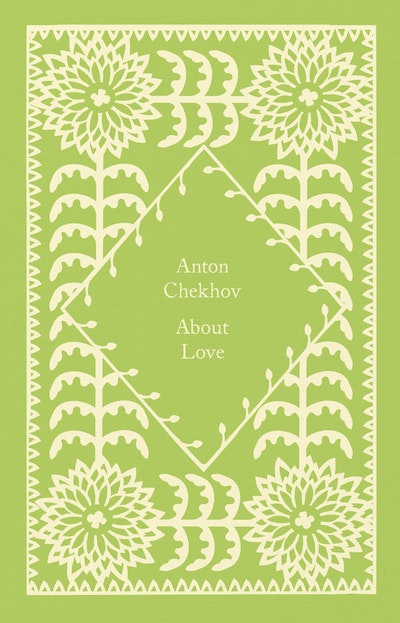
When Gurov sees the lady with the little dog on a windswept promenade, he knows he must have her. But she is different from his other flings – he cannot forget her … Chekhov’s stories are of lost love, love at the wrong time and love that can never be.

United by the theme of love, the writings in the Great Loves series span over two thousand years and vastly different worlds. Readers will be introduced to love’s endlessly fascinating possibilities and extremities: romantic love, platonic love, erotic love, gay love, virginal love, adulterous love, parental love, filial love, nostalgic love, unrequited love, illicit love, not to mention lost love, twisted and obsessional love…
  • Published: 2 August 2007
  • ISBN: 9780141963969
  • Imprint: Penguin eBooks
  • Format: EBook
  • Pages: 128

About the author

Anton Chekhov

Anton Pavlovich Chekhov (1860–1904) was a Russian playwright and short story writer who is considered to be among the greatest writers of short fiction in history. His career as a playwright produced four classics, and his best short stories are held in high esteem by writers and critics. Along with Henrik Ibsen and August Strindberg, Chekhov is often referred to as one of the three seminal figures in the birth of early modernism in the theater. Chekhov practiced as a medical doctor throughout most of his literary career: "Medicine is my lawful wife," he once said, "and literature is my mistress." Chekhov renounced the theatre after the disastrous reception of The Seagull in 1896, but the play was revived to acclaim in 1898 by Constantin Stanislavski's Moscow Art Theatre, which subsequently also produced Chekhov's Uncle Vanya and premiered his last two plays, Three Sisters and The Cherry Orchard. These four works present a challenge to the acting ensemble as well as to audiences, because in place of conventional action Chekhov offers a "theatre of mood" and a "submerged life in the text." Chekhov had at first written stories only for financial gain, but as his artistic ambition grew, he made formal innovations which have influenced the evolution of the modern short story. He made no apologies for the difficulties this posed to readers, insisting that the role of an artist was to ask questions, not to answer them.  Anton Chekhov was the author of hundreds of short stories and several plays and is regarded by many as both the greatest Russian storyteller and the father of modern drama. 

Also by Anton Chekhov

See all