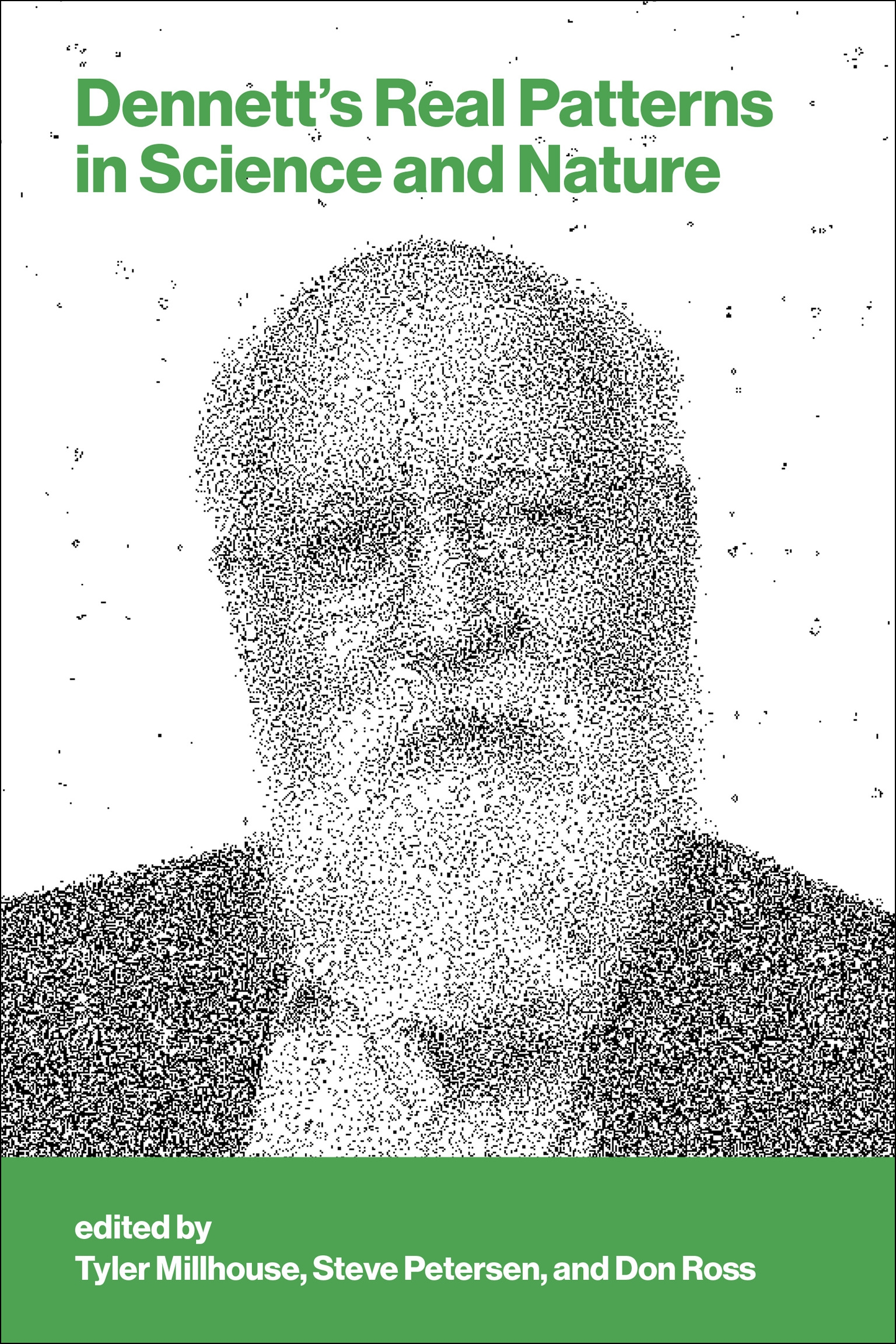
- Published: 28 April 2026
- ISBN: 9780262052030
- Imprint: MIT Press Academic
- Format: Paperback
- Pages: 304
- RRP: $190.00
Dennett's Real Patterns in Science and Nature
 Amazon
 Booktopia
 Dymocks
 QBD
QBD
 Readings
 Your Bookstore
 Abbeys
 Boomerang
 Find local retailers
 Collins
 Fishpond
 Gleebooks
 Harry Hartog
 Kinokuniya
 Robinsons
 The Nile
 Mighty Ape
- Published: 28 April 2026
- ISBN: 9780262052030
- Imprint: MIT Press Academic
- Format: Paperback
- Pages: 304
- RRP: $190.00
"Economists and cognitive scientists have been on a random walk towards one another for two decades now. But it took Don Ross's book to reveal the straight line that joins these two disciplines and make out of them a social science with all the mathematical beauty of general equilibrium theory and the empirical content of a behavioral science. I doubt that either an economist or a psychologist could have found the path to this stable equilibrium around which to organize both disciplines. It required someone well versed in both the history of economics and decision theory, a combination that only Ross provides. The result is the most important new work in the philosophy of economics in years!" -- Alex Rosenberg, R. Taylor Cole Professor of Philosophy, Duke University
