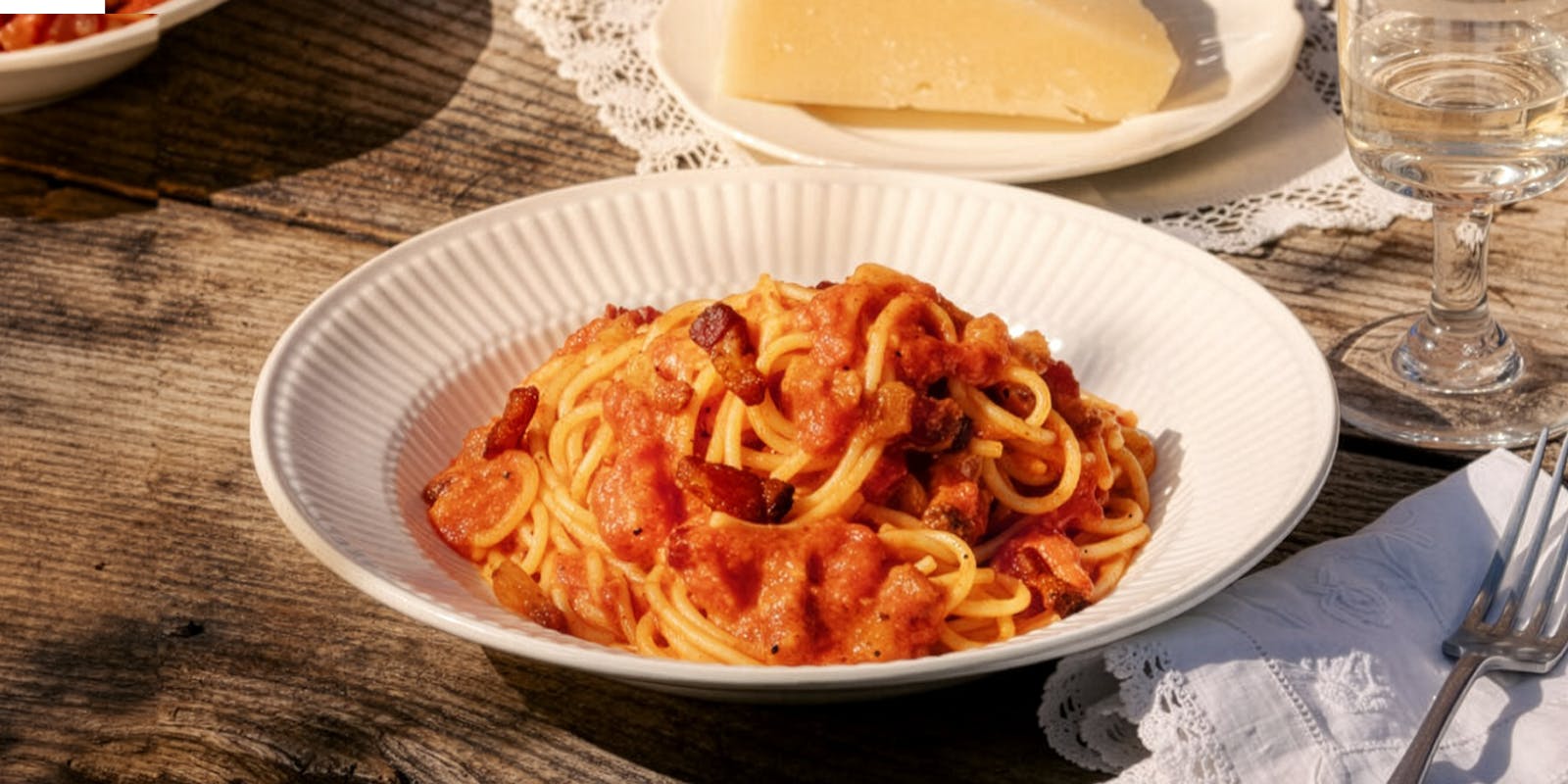
The first time I put amatriciana on the menu at Tiella I was incredibly nervous.
It's one of the four great Roman pastas (along with cacio e pepe, gricia and carbonara) and since it's my favourite of the lot, I wanted to honour the original recipe as much as possible. Speak to any Roman and they are deeply protective of their pasta, perhaps because so much of the world has taken their culinary ideas for a spin. There are times when I feel deeply passionate about tradition and 'authenticity', and others when I wish the rules would relax.
When it comes to amatriciana, I wouldn't dare mess with it. The dish is said to have originated in the town of Amatrice, neighbouring Rome. Supposedly the movement of shepherds between Abruzzo and Lazio brought the dish to the city. Gricia predated it, made with guanciale (cured pork cheek), pecorino and black pepper, but with the arrival of tomatoes in the 16th century, the dish evolved. I love the way the acidity of the tomatoes counteracts the richness of the guanciale, the depth of the pecorino and the heat from the black pepper. I encourage you seek out guanciale for this dish. The fat ratio and spicing of this cured meat impart a unique flavour and viscosity to the sauce. In lieu of guanciale, pancetta is more than suitable, but I won't make an exception for the cheese - pecorino Romano is mandatory. The distinctive, sharp, tangy flavour of the sheep's milk adds a crucial element to the dish. I'll look the other way if you use Parmigiano, but you'll lose a certain level of funk and freshness.
Traditionally, amatriciana is paired with bucatini, the hollow centre of the pasta catching tiny waves of the sauce. Tonnarelli, spaghetti and mezze rigatoni also work beautifully. Rendering the guanciale very slowly is vital to the success of this dish. If your pan gets too hot too quickly, you won't achieve optimal crispiness.
Serves 4
Ingredients:
- 50g guanciale
- 2 tbsp extra virgin olive oil
- 50ml white wine
- 1½ x tins of plum tomatoes
- 1 fresh bay leaf
- Pinch of red chilli flakes
- 120g freshly grated pecorino, plus extra for serving
- Sea salt and freshly ground black pepper
- Accompanying pasta shapes: spaghetti, rigatoni, paccheri, mezzi paccheri, bucatini. Pasta weight: 80–100g per person
Method
- Using a sharp knife, carefully trim the skin off the guanciale, trying not to remove any of the fat, then cut into thin strips.
- Put the olive oil and guanciale in a heavy-based pan and cook slowly over a low heat until golden and crisp. Remove a quarter of the guanciale and set aside.
- Add the white wine to the pan and cook out the alcohol over a high heat for 2 minutes, then add the tomatoes, bay leaf, chilli flakes, a five-finger pinch of salt and a generous grind of black pepper. Simmer over a medium-low heat for around 20 minutes, stirring every 5 minutes or so. Taste the sauce for seasoning and adjust to your liking.
- Cook your pasta according to the packet instructions, reducing the cooking time by 1 minute.
- While the pasta is cooking, add the pecorino to the sauce and reduce the heat to low. Allow the cheese to melt into the sauce – do not stir or agitate it too much or it may clump.
- Drain the pasta and immediately add it to the sauce along with a few tablespoons of the pasta water. Toss the pan back and forth to create the mantecatura (emulsification). Taste again for seasoning and adjust if necessary.
- To serve, sprinkle with the crispy guanciale and some extra pecorino.
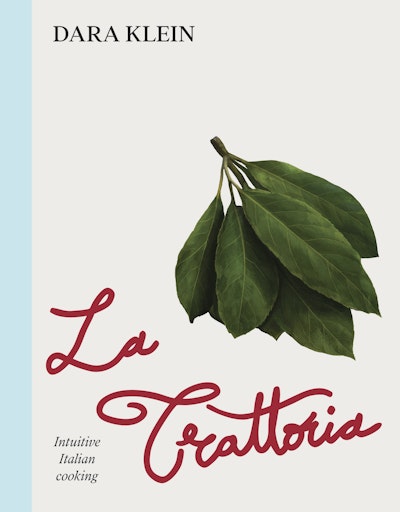
A celebration of simple Italian cookery and the atmosphere of family-run restaurants, this is the first book from Dara Klein, the chef behind Tiella at the Compton Arms
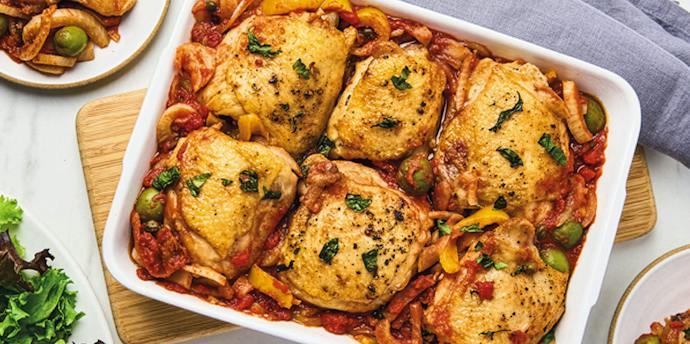
This recipe is an easy, one-pan dish that works well with any cut of chicken.
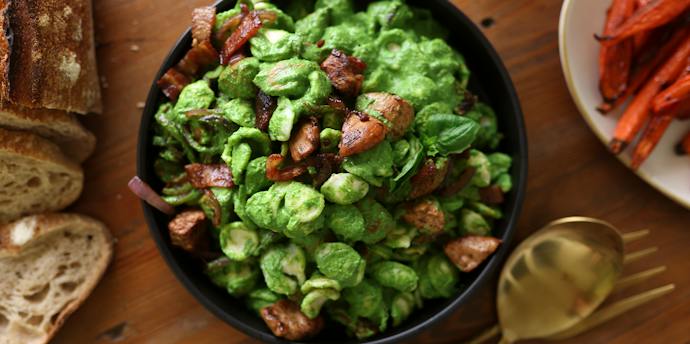
This was one of the only ways I could eat fresh greens during my first trimester of pregnancy, and it’s one of the few ways I can get my toddler to eat them, too!
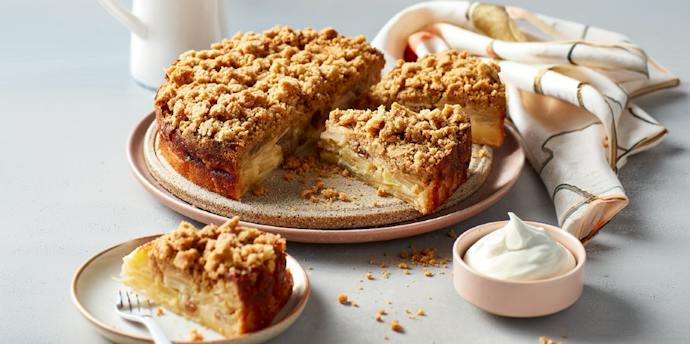
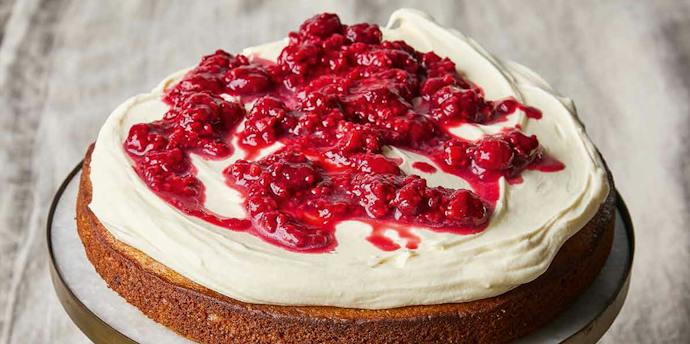
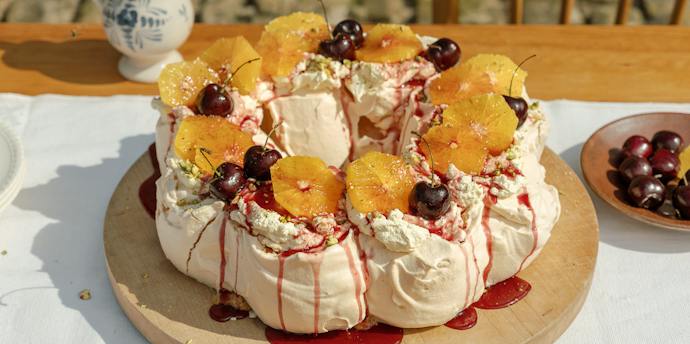

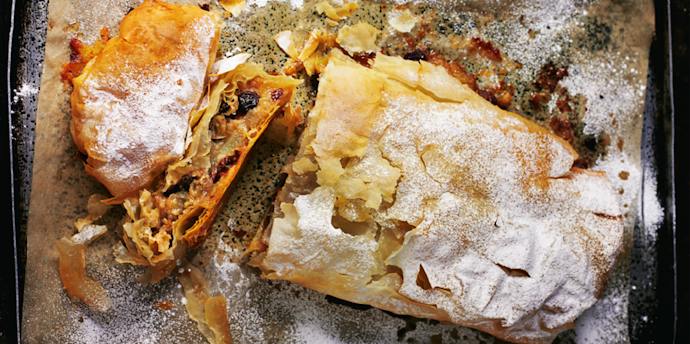
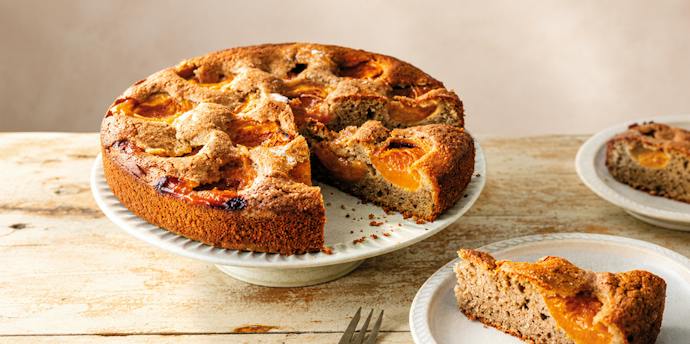
Apricots are rich in the phytochemical beta-carotene, which is important for healthy eyes and a strong immune system.
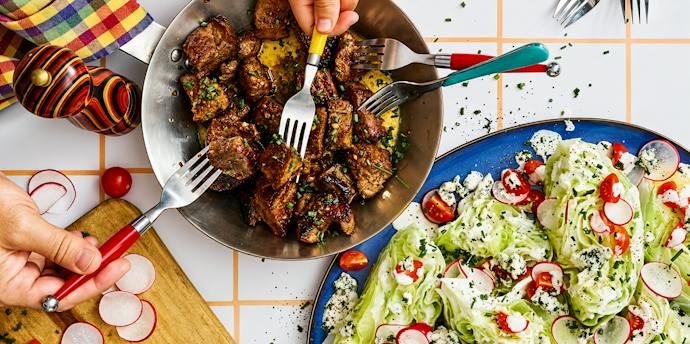
To me, the perfect steakhouse meal involves French Onion Soup, a sizzling buttery steak, and a crisp wedge salad, so this is like all of those flavours in one much more affordable weeknight dinner.
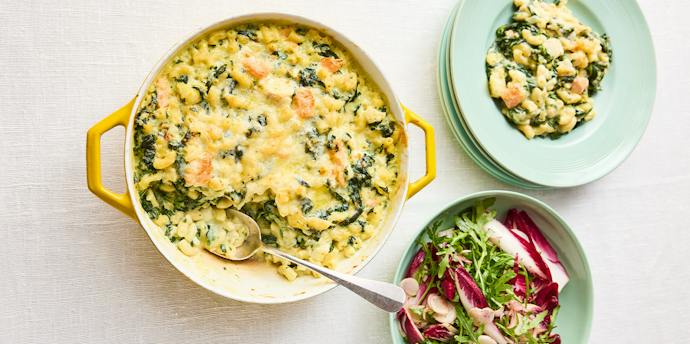
Ready in 20 minutes, this pasta bake from Jamie Oliver has all the flavours and comforting qualities of a fish pie. Perfect for a midweek family dinner.
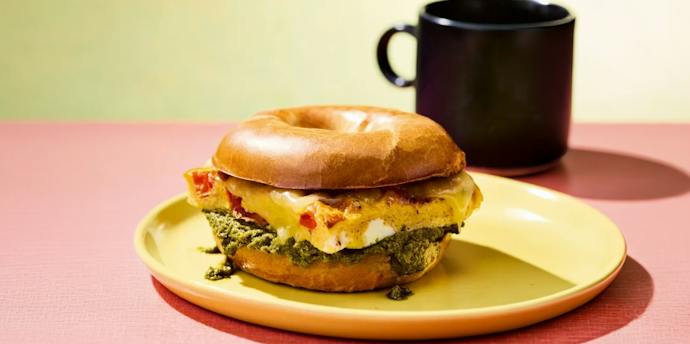
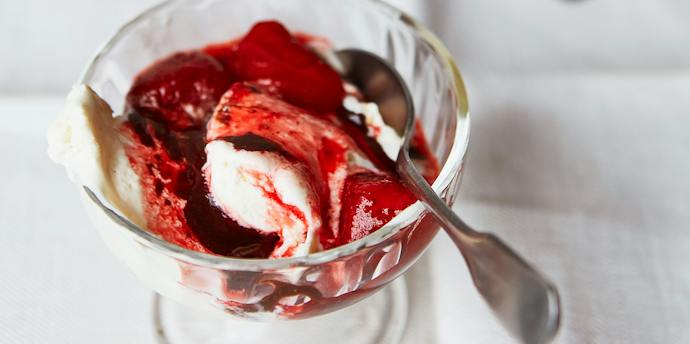
The lime-roasted strawberries and peanut fudge sauce are essentially a refined combination of peanut butter and jelly and boy do they sing together!
