> Skip to content
[]
  • Published: 1 November 2000
  • ISBN: 9780679641711
  • Imprint: RH US eBook Adult
  • Format: EBook
  • Pages: 176

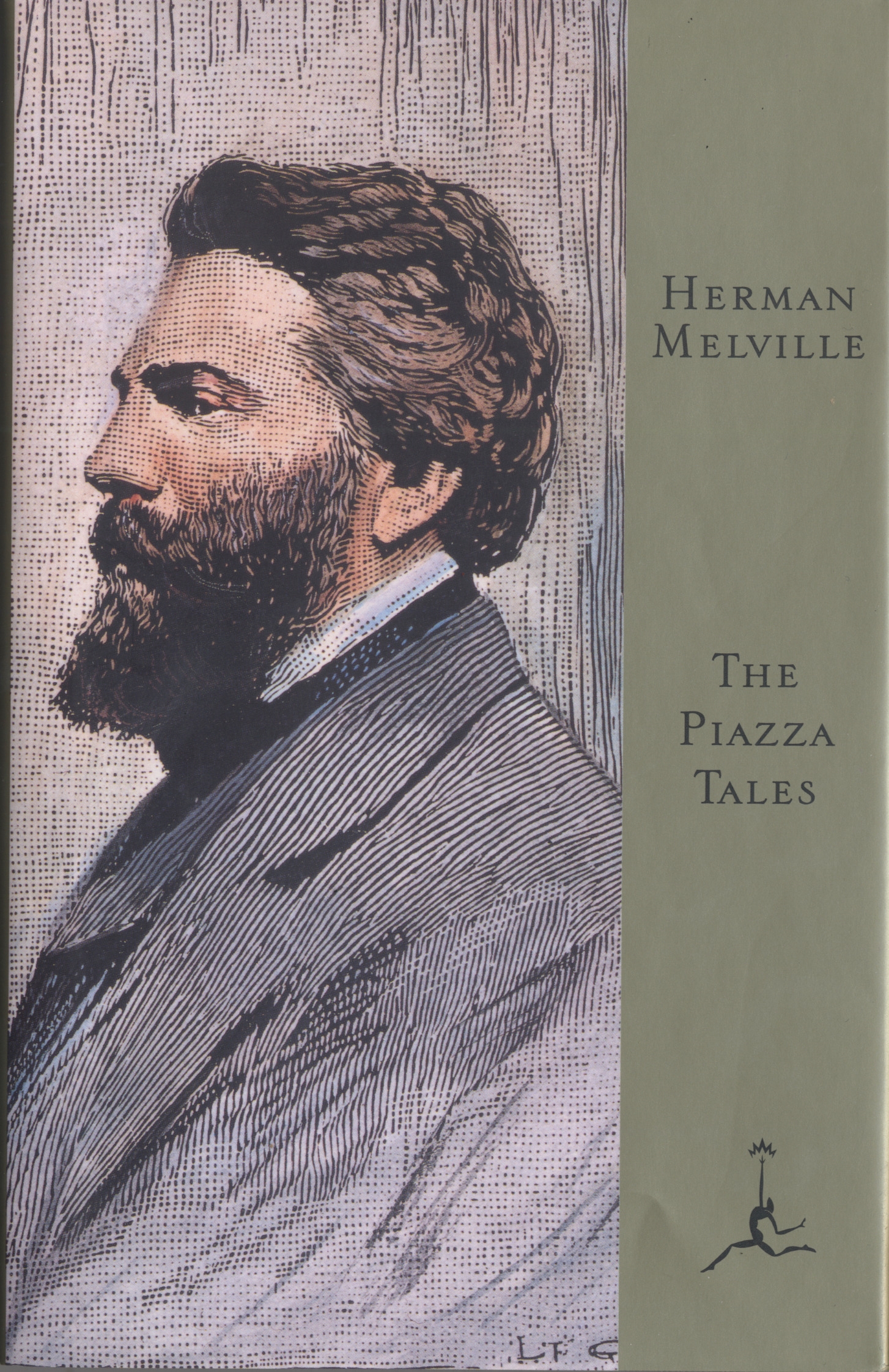
The Piazza Tales


First published in 1856, five years after the appearance of Moby Dick, The Piazza Tales comprises six of Herman Melville's finest short stories. Included are two sea tales that encompass the essence of Melville's art: 'Benito Cereno,' an exhilarating account of mutiny and rescue aboard a disabled slave ship, which is a parable of man's struggle against the forces of evil, and 'The Encantadas,' ten allegorical sketches of the Galapagos Islands, which reveal nature to be both enchanting and horrifying. Two pieces explore themes of isolation and defeat found in Melville's great novels: 'Bartleby, the Scrivener,' a prophetically modern story of alienation and loss on nineteenth-century Wall Street, and 'The Bell-Tower,' a Faustian tale about a Renaissance architect who brings about his own violent destruction. The other two works reveal Melville's mastery of very different writing styles: 'The Lightning-Rod Man,' a satire showcasing his talent for Dickensian comedy, and 'The Piazza,' the title story of the collection, which anticipates the author's later absorption with poetry.
  • Published: 1 November 2000
  • ISBN: 9780679641711
  • Imprint: RH US eBook Adult
  • Format: EBook
  • Pages: 176

About the author

Herman Melville

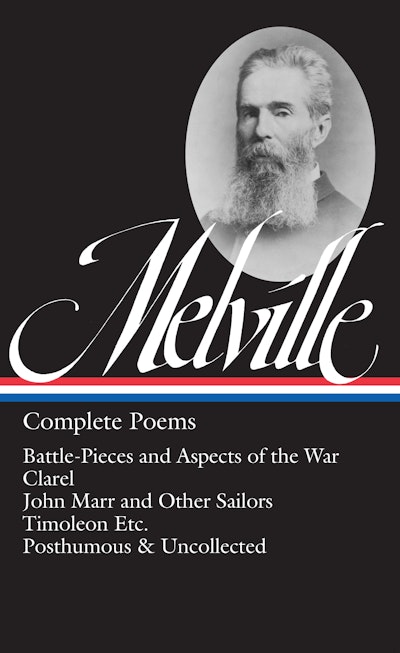
Herman Melville was born in New York City in 1819. When his father died, he was forced to leave school and find work. After passing through some minor clerical jobs, the eighteen-year-old young man shipped out to sea, first on a short cargo trip, then, at twenty-one, on a three-year South Sea whaling venture. From the experiences accumulated on this voyage would come the material for his early books, Typee (1846) and Omoo (1847), as well as for such masterpieces as Moby-Dick (1851), Pierre (1852), The Piazza Tales (1856), and Billy Budd, Sailor, and Other Stories (posthumous, 1924). Though the first two novels—popular romantic adventures—sold well, Melville's more serious writing failed to attract a large audience, perhaps because it attacked the current philosophy of transcendentalism and its espoused "self-reliance." (As he made clear in the savagely comic The Confidence Man (1857), Melville thought very little of Emersonian philosophy.) He spent his later years working as a customs inspector on the New York docks, writing only poems comprising Battle-Pieces (1866). He died in 1891, leaving Billy Budd, Sailor, and Other Stories unpublished.

Also by Herman Melville

See all