> Skip to content
[]
  • Published: 8 September 1995
  • ISBN: 9780099477518
  • Imprint: Vintage
  • Format: Paperback
  • Pages: 96
  • RRP: $22.99

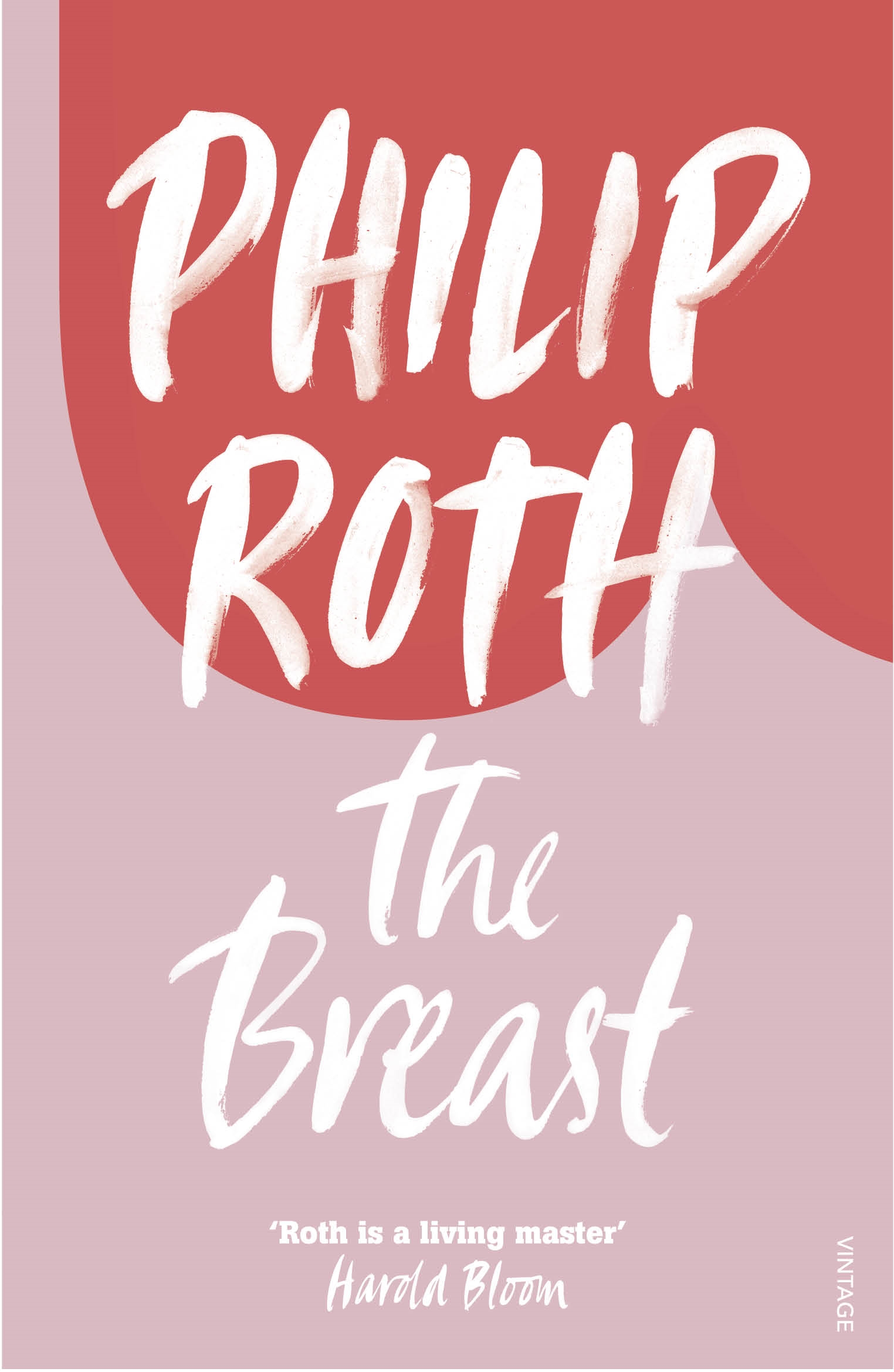
The Breast


Philip Roth's entire oeuvre – 31 books – to be reissued in electric new Vintage jackets for October 2016

Like a latter-day Gregor Samsa, Professor David Kepesh wakes up one morning to find that he has been transformed. But where Kafka's protagonist turned into a monstrous cockroach, the narrator of Philip Roth's fantasy has become a 155-pound female breast.

What follows is a deliriously funny yet moving exploration of the full implications of Kepesh's metamorphosis; audacious, heretical - as darkly hilarious as it is existentially unnerving - making new the silliness, triviality and wonderful meaninglessness of lived human experience.

  • Published: 8 September 1995
  • ISBN: 9780099477518
  • Imprint: Vintage
  • Format: Paperback
  • Pages: 96
  • RRP: $22.99

About the author

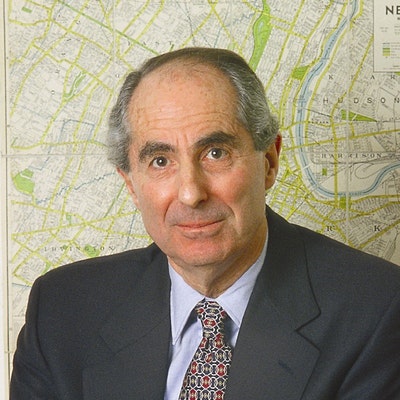
Philip Roth

Philip Roth was born in Newark, New Jersey on 19 March 1933, to second-generation Americans Bess and Herman. He grew up in the largely Jewish community of Weequahic, a neighbourhood his writing returned to time and again. Roth received the National Book Award for his first book, Goodbye, Columbus (1959), but it was his fourth, Portnoy’s Complaint (1969) which secured his reputation as one of America’s finest writers, and American Pastoral (1997) which won the Pulitzer Prize. Roth wrote thirty-one books in all, winning the International Man Booker Prize and the National Book Critics Circle Award twice. He was presented with the National Medal of Arts and the National Humanities Medal by Presidents Clinton and Obama, respectively. Roth died aged eighty-five on 22 May 2018, six years after retiring from writing.

Also by Philip Roth

See all

Praise for The Breast

A new shock world of sensual possibility... Need one say again that Roth is an admirable novelist who never steps twice into the same river?

Anthony Burgess

Terrific...inventive and sane and very funny

New York Times Book Review

Hilarious, serious, visionary, logical, sexual-philosophical; the ending amazes - the joke takes three steps beyond savagery and satire and turns into a sublimeness of pity. One knows when one is reading something that will permanently enter the culture

Cynthia Ozick

A radical, complex, and moving book

Esquire

Roth's prose is, as ever, elegant and intelligent, delicate even when at its most crude. It sent me back to Kafka - a brave thing to do, but he stands the comparison well

Margaret Drabble

Roth is a living master

Harold Bloom