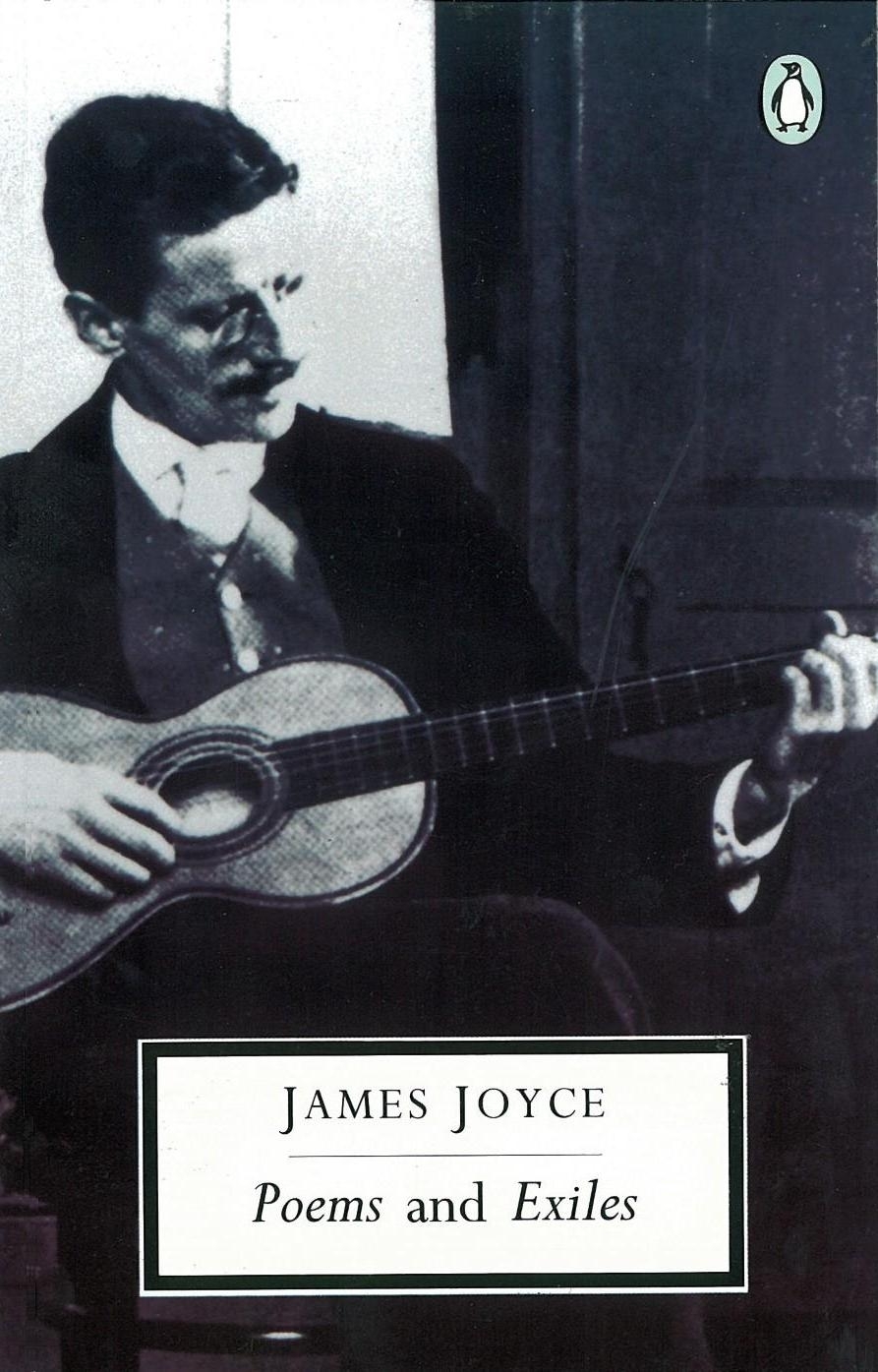
It is only James Joyce's towering genius as a novelist that has led to the comparative neglect of his poetry and sole surviving play. And yet, argues Mays in his stimulating and informative introduction, several of these works not only occupy a pivotal position in Joyce's career; they are also magnificently assured achievements in their own right. Chamber Music is 'an extraordinary début', fusing the styles of the nineties and the Irish Revival with irony and characteristic verbal exuberance. Pomes Penyeach and Exiles (highly acclaimed in Harold Pinter's 1970 staging) were written when Joyce had published Dubliners and was completing A Portrait of the Artist as a Young Man. Both confront painfully personal issues of adultery, jealousy and betrayal and so pave the way for the more detached and fully realized treatment in Ulysses. Joyce's occasional verse includes 'Ecce Puer' for his new-born grandson, juvenilia, satires, translations, limericks and a parody of Samuel Taylor Coleridge. All are brought together in this scholarly, fully annotated yet accessible new edition.
James Joyce, the twentieth century’s most influential novelist, was born in Dublin in 1882. At twenty years old, Joyce renounced his Catholicism and left Dublin to spend most of his life as a writer in exile in Paris, Trieste, Rome, and Zurich. His writings include Chamber Music, Dubliners, A Portrait of the Artist as a Young Man, Exiles, Ulysses, Pomes Penyeach, and Finnegans Wake. Ulysses required seven years to complete and Finnegans Wake took seventeen. Both works revolutionized the form, structure, and content of the novel. Joyce died in Zurich in 1941.