> Skip to content
[]
Play sample
  • Published: 5 November 2007
  • ISBN: 9781405646789
  • Imprint: BBC DL
  • Format: Audio Download
  • Length: 2 hr 45 min
  • Narrator: F. Murray Abraham
  • RRP: $11.99

Moby Dick (Classic Drama)


Ishmael, the narrator, tells of the adventures of Captain Ahab in his relentless quest to seek revenge on the white whale that bit off his leg. Full of allegory and symbolism, Moby Dick is an epic tragedy of tremendous dramatic power and narrative drive. This large-scale adaptation, recorded in America, skilfully reproduces the unique mixture of adventure, myth, history, and philosophy in Melville's epic tale.

‘Moby Dick’ was first published in Britain as 'The Whale' in 1851. It is an extraordinary book, made up of 135 chapters, all written in a variety of styles - from sailors’ slang to biblical prophecy and Shakespearian rant. Ishmael, the narrator, tells of the adventures of Captain Ahab in his relentless quest to seek revenge on the white whale that bit off his leg. Full of allegory and symbolism, ‘Moby Dick’ is an epic tragedy of tremendous dramatic power and narrative drive. This large-scale adaptation, recorded in America, skilfully reproduces the unique mixture of adventure, myth, history and philosophy in Melville's epic tale.
  • Published: 5 November 2007
  • ISBN: 9781405646789
  • Imprint: BBC DL
  • Format: Audio Download
  • Length: 2 hr 45 min
  • Narrator: F. Murray Abraham
  • RRP: $11.99

About the author

Herman Melville

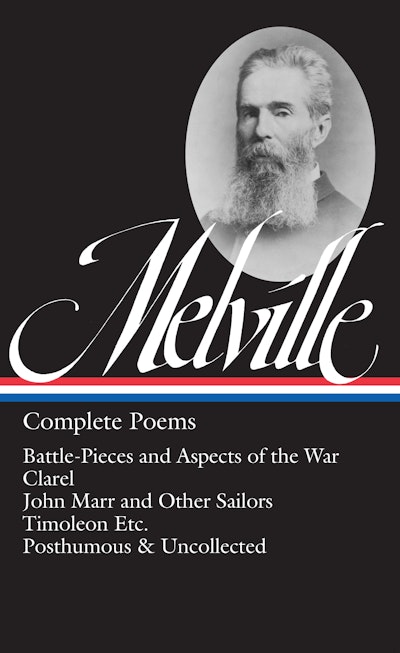
Herman Melville was born in New York City in 1819. When his father died, he was forced to leave school and find work. After passing through some minor clerical jobs, the eighteen-year-old young man shipped out to sea, first on a short cargo trip, then, at twenty-one, on a three-year South Sea whaling venture. From the experiences accumulated on this voyage would come the material for his early books, Typee (1846) and Omoo (1847), as well as for such masterpieces as Moby-Dick (1851), Pierre (1852), The Piazza Tales (1856), and Billy Budd, Sailor, and Other Stories (posthumous, 1924). Though the first two novels—popular romantic adventures—sold well, Melville's more serious writing failed to attract a large audience, perhaps because it attacked the current philosophy of transcendentalism and its espoused "self-reliance." (As he made clear in the savagely comic The Confidence Man (1857), Melville thought very little of Emersonian philosophy.) He spent his later years working as a customs inspector on the New York docks, writing only poems comprising Battle-Pieces (1866). He died in 1891, leaving Billy Budd, Sailor, and Other Stories unpublished.

Also by Herman Melville

See all