Experience a BRIEF ENCOUNTER with Edith Wharton, grande dame of American letters, in these spectral tales of longing, loss, and the uncanny
Edith Wharton's ghost stories whisper of passion, exile, and the things we cannot forget
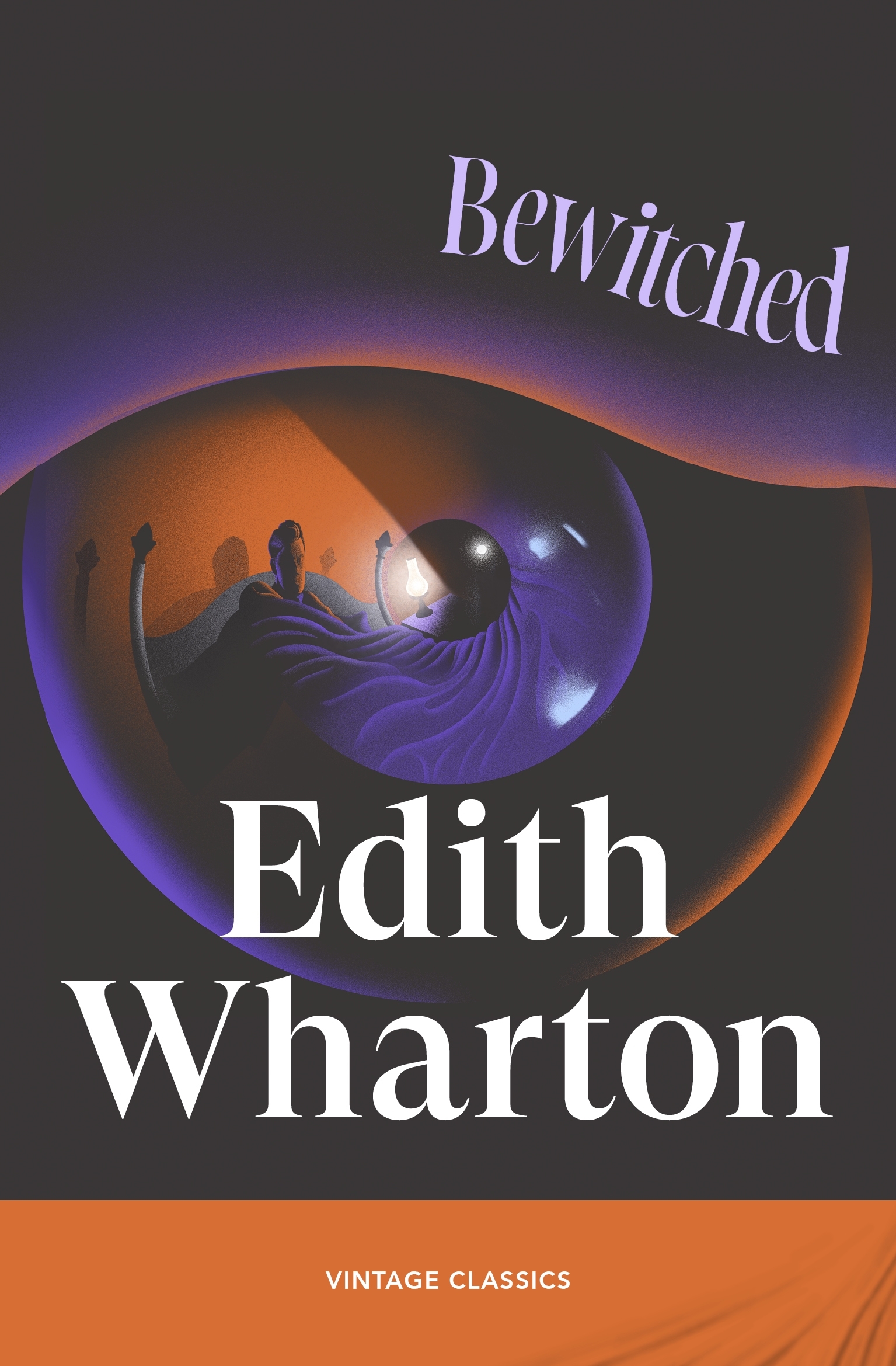
In an old Dorset house, a couple settle into a life of quiet comfort – until a presence makes itself felt. At a country gathering, a man is forced to confront a long-buried secret he has tried to outrun. In a small New England community, suspicion gathers around a widower believed to be under the spell of a dead woman. Bewitched brings together three of Edith Wharton’s most unsettling ghost stories. Elegant and controlled, they trace the lingering effects of guilt, secrecy and moral judgement – and the moment when the repressed makes its reappearance.
Includes the stories: Afterward, The Eyes and Bewitched
BRIEF ENCOUNTERS: classic novellas and captivating stories, to be read in a single sitting or savoured over days
The upper stratum of New York society into which Edith Wharton was born in 1862 provided her with an abundance of material as a novelist but did not encourage her growth as an artist. Educated by tutors and governesses, she was raised for only one career: marriage. But her marriage, in 1885, to Edward Wharton was an emotional disappointment, if not a disaster. She suffered the first of a series of nervous breakdowns in 1894. In spite of the strain of her marriage, or perhaps because of it, she began to write fiction and published her first story in 1889.
Her first published book was a guide to interior decorating, but this was followed by several novels and story collections. They were written while the Whartons lived in Newport and New York, traveled in Europe, and built their grand home, the Mount, in Lenox, Massachusetts. In Europe, she met Henry James, who became her good friend, traveling companion, and the sternest but most careful critic of her fiction. The House of Mirth(1905) was both a resounding critical success and a bestseller, as was Ethan Frome(1911). In 1913 the Whartons were divorced, and Edith took up permanent residence in France.
Her subject, however, remained America, especially the moneyed New York of her youth. Her great satiric novel, The Custom of the Countrywas published in 1913 and The Age of Innocence won her the Pulitzer Prize in 1921.
In her later years, she enjoyed the admiration of a new generation of writers, including Sinclair Lewis and F. Scott Fitzgerald. In all, she wrote some 30 books, including an autobiography, A Backward Glance (1934). She died at her villa near Paris in 1937.