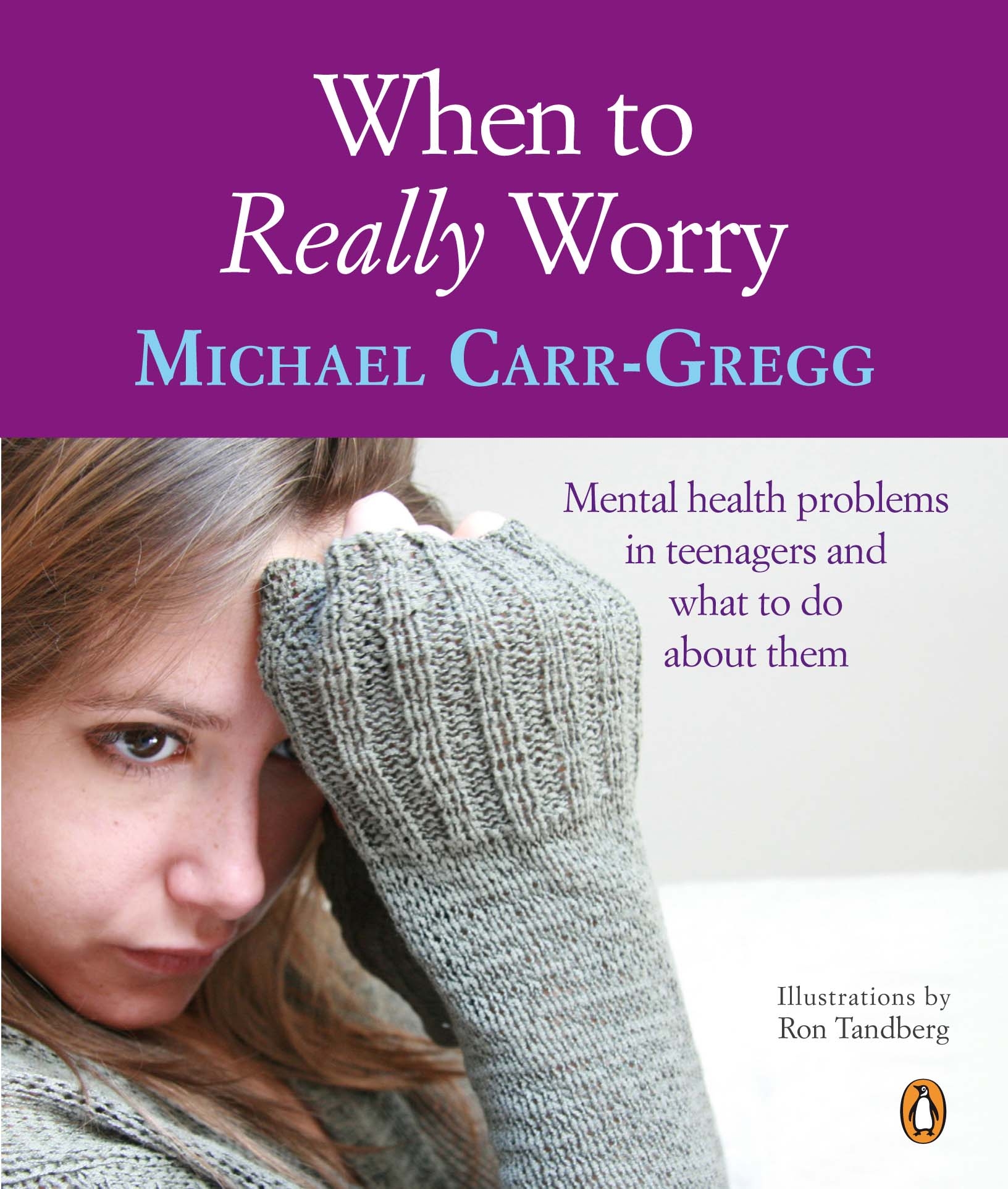
When to Really Worry: Mental health problems in teenagers and what to do about them
Author: Michael Carr-Gregg
Extract
Preface
This book was conceived after two events: the tragic death of Hannah Modra in early 2008, which I describe later in the book, and the declaration of a 'state of emergency' in youth mental health in a summit in October that same year.
We now know that 75 per cent of people who experience psychological problems first became ill before the age of 24. We also know that if we can diagnose and treat young people early, we can save them years, or in some cases a lifetime, of unhappiness. This reduces the likelihood of them self-medicating with alcohol or other drugs, along with the myriad academic, relationship and legal problems that plague the mentally ill. Yet despite all the hard work done by health promotion experts over the last few decades, recognition of mental health problems is still unacceptably low. It is estimated that less than 30 per cent of young people seek help for depression, anxiety and other psychological disorders.
This may in part be due to some parents having an 'ostrich mentality', where they notice something strange about their son or daughter's behaviour, but out of ignorance or fear decide to ignore it in the hope that it will 'go away' or dismiss it as 'just a phase' typical of an adolescent. The longer this behaviour is ignored, the more hard-wired and complex the underlying problem may become and the harder it is to treat. This, of course, is compounded by the fact that unlike physical ailments, mental illnesses have fewer visible physical symptoms, and due to a combination of stigma, ignorance and prejudice it is so much harder for people to accept them as genuine illnesses.
Yet the good news, often overlooked in discussions of adolescent mental health, is that the vast majority of young people (estimates vary between 60 and 70 per cent) manage to get through their teenage years without any major problems. They may slam doors, sulk for hours, occasionally tell their parents to go forth and get multiplied, but much of this is pretty much par for the course for a teenager.
However, when it comes to teenagers, knowing the difference between warning signs and normal behaviour is not always easy. Yet as parents and carers of young people we are ultimately responsible for their health and wellbeing. Adolescents, despite their foot-stamping claims to the contrary, are not able to assess their own mental state and seek treatment. The distinguished Melbourne psychologist John Cheetham once said, 'There is no such thing as a perfect parent', but even so, all parents can learn to be better at parenting. This book aims to increase the emotional literacy of parents and in plain English explains what they can do when their teenagers lose their psychological moorings.
Michael Carr-Gregg Melbourne, 2010


News
{ view all }All That I Am by Anna Funder has won the Barbara Jefferis Award.
The award is offered annually for “the best novel written by an Australian author that depicts women and girls in a positive way or otherwise empowers the status of women and girls in society”.
Anna beat fellow Miles Franklin contenders Foal's Bread and Cold Light.
Social Feed
{ }Penguin TV
{ }Pictures
{ }