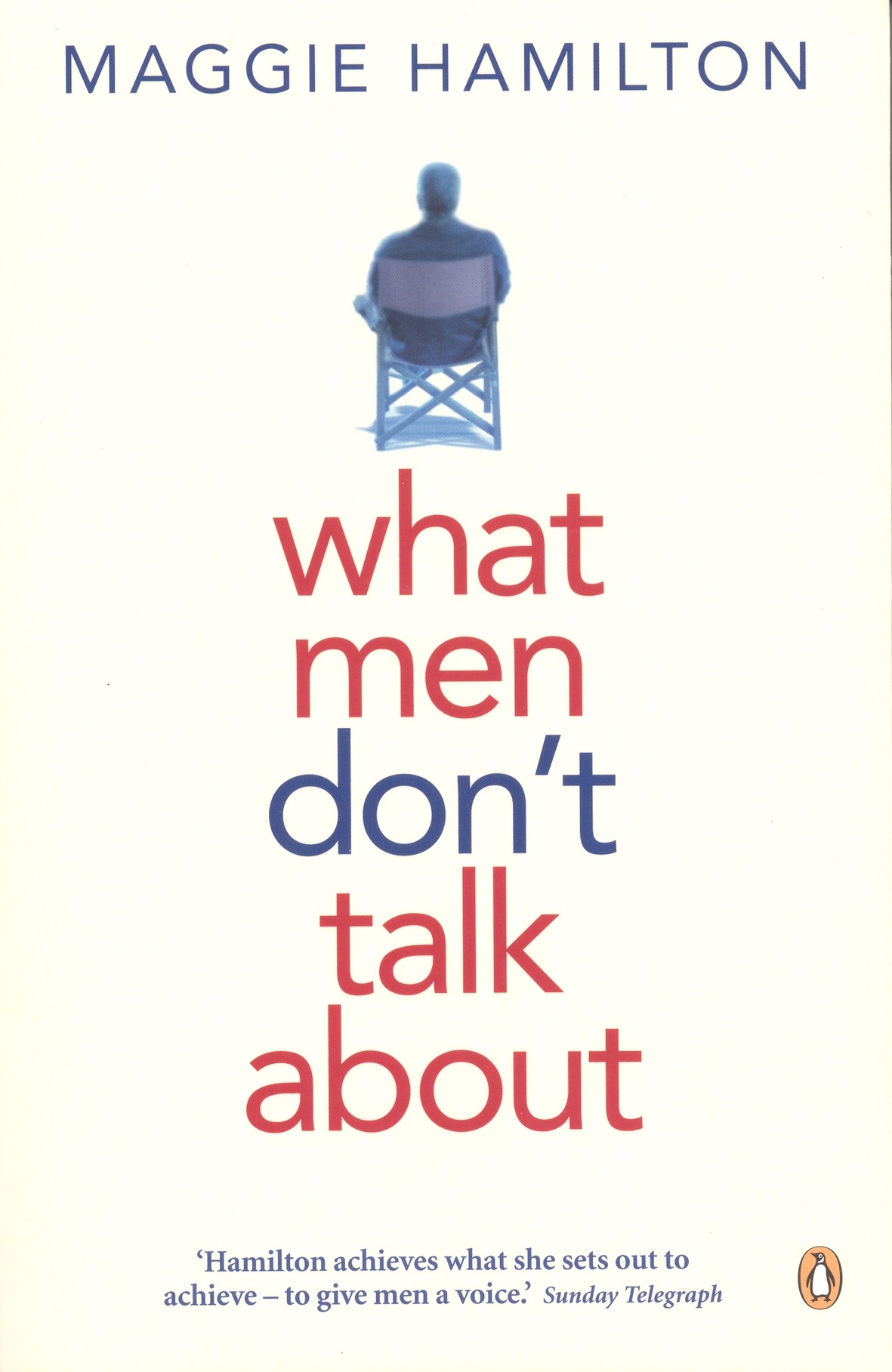
What Men Don't Talk About
Author: Maggie Hamilton
Extract
Introduction
Writing this book has been one of the most liberating, yet at times shocking projects I have undertaken. It was prompted by my growing unease at the many assumptions I had made about men. While I'd been happy to believe that men's lives were easier than those of women, that men were never vulnerable, when I took a closer look at men, I began to realise this wasn't the case. Up until this point I'd never really questioned why so many men and boys take their lives. Or why when relationships fell apart my focus was always on how my girlfriend was coping. It was only when I took a step back that I realised that the many dilemmas men grappled with, the pain they felt, were largely invisible to me. This shook me.
I started to wonder what else I didn't know about men. As I began to examine the lives of men and listen to their stories, I realised that, like many women, I had very little understanding of them. And what I did know was mostly based on anecdote and stereotype, and my own experience of men. At a first glance, most of the men around me seemed to be coping and getting on with their lives, but once I scratched the surface, a very different picture emerged. I began to see that, like women, most men have very real doubts and vulnerabilities. Like women, men long to be heard, to be held, to be loved, to be accepted for who they are. They too struggle for acceptance and meaning. And when given the chance they can reveal the depth of their feeling, their courage, their humanity.
Time and again in my interviews with men, they were genuinely surprised that a woman was interested enough to listen to their story, let alone write about it. Many men became extremely emotional during our time together. Some cried. For too many, this was the first time anyone had asked them in depth about their lives and their experience of the world. And as they recounted whole chapters of their lives, I found these men as open, vulnerable and frank as any woman. Their candour and insight amazed me. As we talked I discovered that they too had experienced many moments of doubt and despair in life. They spoke of working hard at their relationships with women, of doing their best to try to make the women they loved happy, and of their bitter disappointment when their efforts fell short of expectations.
As I contemplated everything these men shared with me, I began to realise that in our desire to grasp the differences between the sexes, we as a society have come to focus on what separates us, rather than what joins us together. We have also fallen into the trap of competing for whose pain is the greatest, instead of seeking to alleviate pain wherever we find it. I can see now that this lack of wider vision has come at a great cost. I cannot help but wonder how many thousands of boys in the past might have been spared sexual abuse had we not held false notions about who was (and was not) vulnerable to such things.
In my quest to understand how men experience life, in no way do I wish to trivialise the many hurdles women have faced, and continue to face. The women's movement remains essential, because it not only continues to liberate women, but also liberates how we as a society think and act. Its positive effects are ongoing and point us towards an even better future, as we utilise all we have learned for the good of everyone. I believe it is time now to take the many benefits women have gained, and enable men to enjoy more choice, more freedom than is possible within the current narrow definition of masculinity.
The way ahead also lies in realising that there are many more qualities that bind us, than separate us. We are first and foremost human beings, with all the potential and frailties that human life brings. This is not to suggest we ignore the nuances of gender. It is only by better understanding these differences that we are more able to comprehend them, learn from them and celebrate them.
From the earliest times we as a society have created stories to help make sense of those things we don't fully understand, including men. Most of us have devoured these stories without question, because this is one of the few means we had to try to explain what men were all about. But it's only as we dig deeper that we begin to see just how harmful and misleading many of these stories can be. In spite of the many necessary advances we have made, there have been casualties. We have come to view masculinity as something dark, dangerous and undesirable. While we must continue to strive to keep individuals and our communities safe, we need to be more imaginative about how we do this, so that there is room also to honour the many wonderful textures men bring to our lives.
I feel it is time for us to hold a more informed view of men's lives, for while it might be acceptable to make fun of men and to say we no longer need them, this isn't helpful. How quickly our focus changes when there is a major disaster – we're quite happy then for our fathers, sons and partners to risk life and limb to disperse hazardous chemicals, protect us from floods and fire, and shield us from the worst elements in our community. Women now also work in these roles, but still these tasks are largely carried out by men.
Although few men will admit it, many men's lives aren't particularly easy. Many don't enjoy the choices and success they had hoped for. But because others rely on them, somehow they summon what courage they can to get out of bed in the morning and do what they have to do. Few men rule the world. Most try simply to lead worthwhile lives, and deal with life's lacerations great and small.
There are dangerous and dysfunctional men in our communities, who do harm others and destroy lives. But there are many more good men, courageous men, decent men. The dozens upon dozens of men I spoke to impressed me with their depth of insight, their capacity for love, their desire to lead meaningful lives without the need for fame or glory. These men came from all walks of life: young and old, factory workers and professionals, men out of work and men with healthy incomes, single men and men in relationships, fathers and sons, and boys who were yet to make their own way in the world. Throughout the book you can read their thoughts for yourself, and discover more about who men are and what they long for.
Apart from my own extensive interviews with men, I immersed myself in the literature on men – in novels and works of nonfiction, in the way men are represented in popular culture. Wherever possible I sought to familiarise myself with the leading thinkers and practitioners in the topics covered, to give the book a wider perspective. Where local case studies and / or statistics were hard to access, I have used the most relevant overseas data. All the men I interviewed for the book, apart from experts, appear under pseudonyms to respect their privacy. The scope of the book did not allow sufficient space to examine the lives of homosexual men and boys, or those from indigenous or other cultural backgrounds. What this work has left me with, however, is an appreciation of how much more difficult the lives of these men and boys must be on occasion.
As I immersed myself in this material, the many differences and similarities between men and women began to emerge. Then, as I explored our differences, I started to better appreciate, understand and respect them, and to see the many qualities men have to offer.
I have written this book for men and women. I hope the men who read it will be heartened to discover they are not alone in the many issues they face. And I hope the women who read it will gain a far greater understanding not only of men, but of what it means to be a woman, because the more women comprehend the many subtle textures that make men who they are, the more they can in turn appreciate the gifts of their gender. Many of the issues covered in the book are shared by women and girls to a greater or lesser extent. I have refrained from this wider debate because there just wasn't the scope to do so, given the amount of material examined here.
One of the many bonuses of living in our society is the freedom and ability it offers to intelligently explore, understand and celebrate ourselves and others. Through this process we are then able to create something far more meaningful than is possible when we remain focused on our own individual needs and perspectives. This aim was uppermost when writing the book. I wanted to challenge our assumptions about men, and to stretch our imaginations, so we can better understand them and all they might bring to our lives. I hope I have succeeded.
What has been most rewarding about my time with the men who contributed to this book are the many ways I am now inspired to celebrate all that being a woman means, and to enjoy the company of men in ways I have never experienced before. My greatest hope is that the many insights contained in this book will touch all those who pick it up, and that they too will be inspired to learn from and celebrate each other more, as together we seek to create the kind of relationships and world we all long for.


News
{ view all }All That I Am by Anna Funder has won the Barbara Jefferis Award.
The award is offered annually for “the best novel written by an Australian author that depicts women and girls in a positive way or otherwise empowers the status of women and girls in society”.
Anna beat fellow Miles Franklin contenders Foal's Bread and Cold Light.
Social Feed
{ }Penguin TV
{ }Pictures
{ }