> Skip to content
[]
  • Published: 2 January 2013
  • ISBN: 9780141974316
  • Imprint: Penguin eBooks
  • Format: EBook
  • Pages: 400

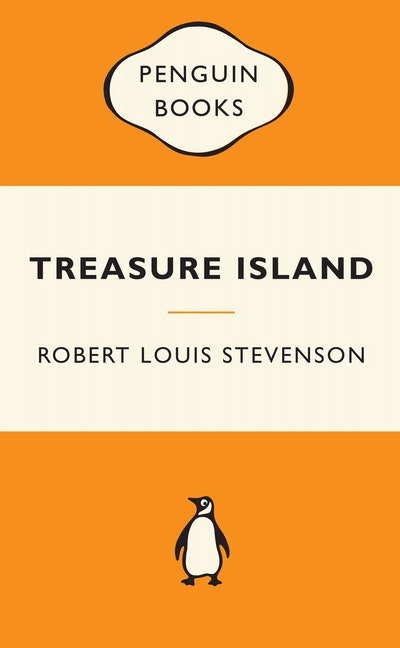
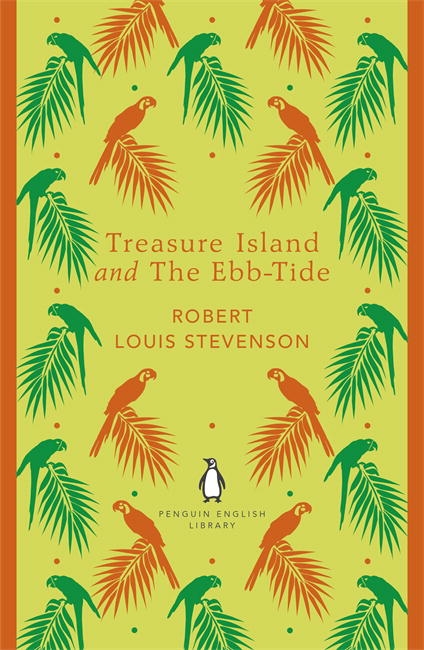
Treasure Island and The Ebb-Tide


The new paperback series: Penguin English Library

'\"One more step, Mr Hands,\" said I, \"and I'll blow your brains out\"'

In Treasure Island, a weathered old sailor known as Billy Bones arrives at the inn of young Jim Hawkins's parents - and it is the start of an adventure beyond anything he could have imagined. For when Bones dies mysteriously, Jim stumbles across a map of a mysterious island in his sea chest - where 'X' marks the spot of a stash of buried pirate gold.

Setting sail with his friends on the ship Hispaniola to recover the treasure, Jim soon realizes that he's not the only one who knows about the hoard. Suddenly he is thrown into a world of treachery, mutiny, castaways and murder and, at the centre of it all, is the charming but sinister Long John Silver, who will stop at nothing to grab his share of the loot...

The Ebb-Tide, a short novel published the year of Stevenson's death, is also a rollicking seafaring adventure, narrating the voyage of a stolen ship whilst exploring such themes as imperialism, violence, dishonesty, Christianity and corruption.

  • Published: 2 January 2013
  • ISBN: 9780141974316
  • Imprint: Penguin eBooks
  • Format: EBook
  • Pages: 400

About the author

Robert Louis Stevenson

Robert Louis Stevenson was born in Edinburgh in 1850. Chronically ill with bronchitis and possibly tuberculosis, Stevenson withdrew from Engineering at Edinburgh University in favour of Studying Law. Although he passed the bar and became an advocate in 1875, he knew that his true work was as a writer.

Between 1876 and his death in 1894, Stevenson wrote prolifically. His published essays, short stories, fiction, travel books, plays, letters and poetry number in dozens. The most famous of his works include Travels With A Donkey in the Cevennes (1879), New Arabian Nights (1882), Treasure Island (1883), The Strange Case of Doctor Jekyll and Mr Hyde (1887), Thrawn Janet (1887) and Kidnapped (1893).

After marrying Fanny Osbourne in 1880 Stevenson continued to travel and to write about his experiences. His poor health led him and his family to Valima in Samoa, where they settled. During his days there Stevenson was known as ‘Tusitala’ or ‘The Story Teller’. His love of telling romantic and adventure stories allowed him to connect easily with the universal child in all of us. ‘Fiction is to grown men what play is to the child,’ he said.

Robert Louis Stevenson died in Valima in 1894 of a brain haemorrhage.
Also by Robert Louis Stevenson

See all
penguin pop image
penguin pop image